 By Saurav Mehra
Peeling paint, white salty patches and a musty smell on bedroom walls appear in countless Indian homes after the monsoon, and the repair debate usually comes down to whether to treat the wall from outside with exterior wall waterproofing or from inside with interior wall waterproofing. Exterior treatment stops rainwater before it enters the wall. Interior treatment works from the room side, blocking moisture that’s already inside the masonry from damaging plaster and paint. Each has its place, but the right choice depends on where the water is actually coming from.
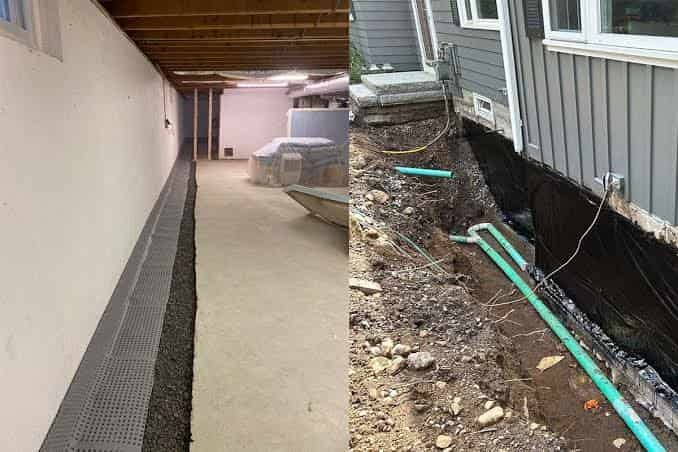
Find the Source of Damp First
Waterproofing fails most often because the wrong problem was treated. Dampness in Indian homes usually comes from one of four sources:
- Rain penetration: water entering through cracks, porous plaster, window frames, AC pipe holes or damaged parapets. Patches typically appear or grow after heavy rain on walls facing the weather.
- Rising damp: groundwater climbing up walls through capillary action, common in ground-floor homes without a proper damp-proof course. Damp usually appears in a band up to about a metre above the floor, often with white salt deposits.
- Plumbing leaks: concealed pipes, bathroom floors or an upper flat’s bathroom leaking into walls or ceilings. These patches often stay damp even in dry months.
- Condensation: warm, moist air from cooking, bathing or drying clothes condensing on cooler walls, especially in kitchens, bathrooms and poorly ventilated rooms.
A simple foil test helps tell condensation apart from moisture coming through the wall. Tape a square of aluminium foil tightly to the damp area and leave it for a day or two. If moisture forms on the room side of the foil, it’s condensation. If the wall under the foil is damp, water is coming through the wall itself.
How Exterior Waterproofing Works
Exterior waterproofing treats the outer face of the wall, the side that faces rain. Common methods include:
- Elastomeric exterior coatings: thick, flexible acrylic-based paints that stretch to cover hairline cracks
- Silicone or siloxane water repellents: clear, breathable treatments for exposed brick or stone that repel water while letting the wall dry
- Crack filling and sealing: polymer-based putties and sealants for cracks, joints and gaps around windows and pipes
- Detailing repairs: fixing drip moulds over windows, sloping sills and chajjas so water runs off, and sealing parapet tops
Done properly, exterior treatment keeps the wall itself dry, which protects both the plaster and the structure inside.
How Interior Waterproofing Works
Interior waterproofing treats the room side of the wall. Common methods include:
- Anti-damp primers and coatings: applied before painting to resist moisture and salt
- Cementitious or crystalline coatings: applied to scraped-back walls to block moisture from reaching the finish
- Chemical damp-proof course injection: a treatment drilled into the lower wall to stop rising damp
- Waterproof plaster with admixtures: used when replastering damaged areas
Interior treatment protects your paint and finish, and works well for certain problems. But when rainwater is the cause, it doesn’t stop water entering the wall.
Why Stopping Water Outside Usually Works Better
When water enters from outside and an interior coating blocks it from leaving through the room side, the moisture stays inside the masonry. It may then travel sideways or upward and appear as new patches nearby, or eventually push through the coating as blisters.
Engineers describe this as positive-side and negative-side waterproofing. Treating the side where water arrives is generally more effective and longer-lasting than treating the opposite side. So for rain penetration, exterior waterproofing is usually the better long-term solution.
How Much Rain Hits a Wall
Here’s why exposed walls struggle during the monsoon.
Mumbai receives roughly 2,200 to 2,500 mm of rain a year, much of it driven sideways by strong monsoon winds. Suppose a west-facing wall receives just a quarter of that as wind-driven rain. A 10 square metre section of wall would then be hit by about 10 × 2.4 × 0.25 ≈ 6 cubic metres of water in a year, roughly 6,000 litres.
Porous plaster and tiny cracks don’t need to let in much of that to cause damp patches inside. That’s why exposed walls in coastal and high-rainfall regions benefit most from good exterior coatings and sealing.
When Interior Treatment Is the Practical Choice
Interior waterproofing makes sense when:
- Exterior access isn’t possible, as with walls shared with neighbours or walls facing a narrow gap between buildings
- You live in an apartment, where external walls are common property managed by the housing society and repairs need collective approval
- Rising damp is the cause, best treated with a damp-proof course injection and interior anti-damp plaster
- The problem is a bathroom or kitchen wall, where interior wet-area waterproofing applies
- You need a temporary fix until the society completes external repairs
Cost and Access
Exterior waterproofing coatings commonly cost around ₹45 to ₹80 per square foot, depending on product and preparation. For independent houses, scaffolding or ladders add to the cost. In high-rise apartments, rope access or gondolas are needed, and the job is usually organised by the society.
Interior treatments generally cost less per square foot and need no external access. But if the source isn’t stopped, you may need to repeat the repair after a few monsoons.
A Complete Repair Sequence
For lasting results, many experts follow this order:
- Identify the source using visual signs, the foil test or a moisture meter.
- Fix plumbing leaks first if they’re involved.
- Repair exterior cracks, sills, drip moulds and parapets.
- Apply an exterior waterproof coating or water repellent on exposed walls.
- Allow walls to dry, ideally through a dry season.
- Scrape damaged interior plaster and treat salts.
- Apply an anti-damp primer or coating inside, then repaint.
FAQs
Q1. Which is better, exterior or interior wall waterproofing?
A: Exterior waterproofing is usually better for rain-related damp, while interior treatment suits rising damp, wet areas and walls without outside access.
Q2. Can interior waterproofing stop rainwater leakage?
A: It can protect the finish, but it doesn’t stop water entering the wall from outside.
Q3. How can I tell if damp is caused by condensation?
A: Tape foil to the wall for a day or two; moisture on the room side indicates condensation.
Q4. What causes damp patches near the floor?
A: Usually rising damp from the ground, often visible as a band with white salt deposits.
Q5. Who handles exterior waterproofing in apartments?
A: The housing society usually manages external walls, since they’re common property.
Q6. When is the best time for exterior waterproofing?
A: The dry months before the monsoon are best, when walls are dry and rain is unlikely.