 By Meghna Sharma
A British university expects tuition fees in pounds, not Bitcoin. A UK landlord typically quotes rent in sterling, while an international cryptocurrency exchange may display prices in several currencies simultaneously. These differences highlight something investors often overlook: an asset’s usefulness depends on what they intend to accomplish with it.
The British pound (GBP) serves as the United Kingdom’s official currency, supporting everyday payments, international trade, and financial contracts. Cryptocurrency operates outside conventional national currency systems, with prices influenced by global trading activity and digital asset adoption.
For Indians considering cryptocurrency vs British pound investments, the choice involves currency exposure, purchasing power, regulatory considerations, and the practical challenges of holding foreign assets.
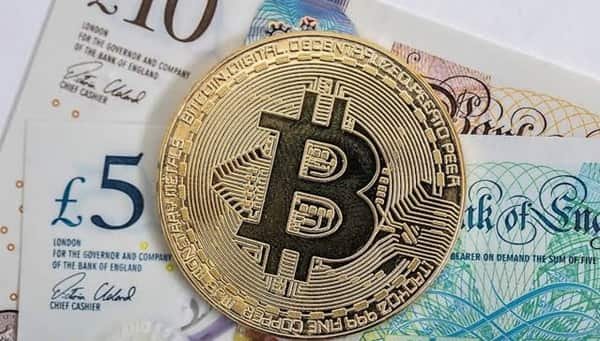
Why the British Pound Holds a Different Position in Global Finance
The British pound sterling is among the world’s major internationally traded currencies.
Its value is influenced by the United Kingdom’s economic performance, monetary policy, inflation, and international demand for sterling-denominated assets.
The Bank of England manages monetary policy with the objective of maintaining price stability.
Although the pound’s exchange rate fluctuates, it functions within an established financial system.
Cryptocurrencies such as Bitcoin are not issued by the Bank of England or another central monetary authority.
Their valuations depend on market participants rather than a national monetary policy framework.
This difference becomes important when considering the reliability of each asset for financial planning.
Holding Pounds Is Not the Same as Investing in the UK
An Indian investor may expect the British pound to appreciate against the rupee and consider gaining exposure to sterling.
However, holding foreign currency does not automatically provide the returns associated with British stocks, bonds, or property.
Currency appreciation and investment performance are separate factors.
For example, suppose the GBP/INR exchange rate moves from ₹105 to ₹115 per pound.
An investor holding £1,000 would see its rupee-equivalent value increase from ₹1,05,000 to ₹1,15,000, excluding transaction costs.
However, if the pound weakens against the rupee, the opposite occurs.
Cryptocurrency returns involve another layer of uncertainty because both the digital asset’s market price and currency conversion rates can influence the amount received in rupees.
The Real Cost of Converting Indian Rupees
Currency conversion costs can reduce the benefits of holding foreign assets.
Banks and authorized foreign exchange providers generally apply exchange-rate spreads and may charge additional fees.
For Indian residents, purchasing or holding foreign currency must comply with applicable Foreign Exchange Management Act (FEMA) provisions and Reserve Bank of India regulations.
The Liberalised Remittance Scheme (LRS) permits eligible resident individuals to remit funds abroad for specified purposes within prescribed limits and conditions.
However, the scheme does not automatically authorize every foreign currency or cryptocurrency transaction.
Before converting rupees into pounds, investors should examine:
- The exchange rate offered by the authorized provider.
- Applicable conversion and transfer charges.
- The permitted purpose of the transaction.
- Foreign currency account eligibility.
- Relevant tax collection and reporting requirements.
These factors may determine whether direct sterling exposure is practical.
Cryptocurrency Introduces Risks Beyond Exchange Rates
The British pound can appreciate or depreciate against the rupee, but cryptocurrency prices frequently experience much larger percentage movements.
A digital asset may lose substantial value following regulatory announcements, security incidents, or sudden changes in market sentiment.
Some cryptocurrencies also face technological and operational risks.
For example, investors holding digital assets through an exchange depend on the platform’s security and financial reliability.
Those managing private wallets must protect their recovery credentials.
The pound does not eliminate financial risk, particularly when held through institutions or investment products, but it avoids cryptocurrency-specific blockchain custody concerns.
What About Using Both for International Payments?
Sterling is the conventional currency for transactions within the United Kingdom.
Indian students studying in Britain, families supporting relatives abroad, and businesses making eligible international payments commonly use regulated banking and foreign exchange services.
Cryptocurrency transfers may operate through blockchain networks without traditional banking intermediaries.
However, receiving cryptocurrency does not guarantee that a UK merchant, university, or financial institution will accept it.
The recipient may need to convert the asset into pounds before using the funds.
This conversion introduces market exposure, platform charges, and compliance requirements.
For payments with fixed deadlines and specified sterling amounts, conventional currency transfers generally offer greater certainty.
Can the Pound Protect Indian Investors Against Inflation?
Holding sterling may provide exposure to movements in the GBP/INR exchange rate.
If the rupee depreciates against the pound, sterling holdings become more valuable in rupee terms.
Nevertheless, the British pound also experiences inflation.
Its purchasing power within the UK can decline as prices increase.
Cryptocurrency is sometimes promoted as an inflation-resistant alternative because certain assets have limited issuance schedules.
However, restricted supply alone does not establish reliable inflation protection.
Cryptocurrency markets have experienced significant downturns during periods of rising global interest rates and financial uncertainty.
Neither asset should be viewed as a guaranteed safeguard against inflation.
Taxation and Regulatory Considerations for Indians
Indian residents must consider the tax treatment of foreign currency gains according to the nature and circumstances of their transactions.
Taxability may differ depending on whether foreign currency is held for personal use, business purposes, or investment-related activities.
Cryptocurrency taxation follows more specific provisions.
Under Section 115BBH of the Income-tax Act, income from transferring virtual digital assets is generally taxed at 30%, plus applicable surcharge and cess.
Losses cannot be set off against other income or carried forward.
Qualifying virtual digital asset transfers may also attract 1% TDS under Section 194S.
Investors should also distinguish between holding cryptocurrency and transferring it, since taxable events depend on the applicable legal provisions.
Which Option Serves Your Financial Purpose?
The British pound and cryptocurrency are not interchangeable investments.
Sterling exposure may be relevant for:
- Planned education expenses in the United Kingdom.
- Future travel or relocation costs.
- Eligible international financial obligations.
- Managing exposure to GBP-denominated expenses.
Cryptocurrency may interest individuals seeking:
- Participation in digital asset markets.
- Exposure to blockchain-related developments.
- Speculative capital appreciation.
- Investment opportunities outside conventional currency markets.
The more suitable choice depends on whether the objective involves meeting foreign currency obligations or accepting speculative investment risk.
Frequently Asked Questions
Q. Can Indian residents legally hold British pounds?
Indian residents may hold foreign currency in circumstances permitted under FEMA and RBI regulations. The applicable rules depend on how the currency was acquired, the account type, and its intended use.
Q. Is Bitcoin more volatile than the British pound?
Bitcoin has historically experienced substantially greater price volatility than major fiat currencies such as the British pound. However, sterling exchange rates can also fluctuate significantly during economic or political disruptions.
Q. Can I use cryptocurrency to pay UK university fees?
Most universities require payment through approved methods in accepted currencies. Cryptocurrency generally needs to be converted into pounds through an appropriate payment arrangement, subject to applicable regulations.
Q. Does holding British pounds generate interest?
Physical currency does not generate interest. Eligible sterling-denominated bank deposits or investment products may provide returns, depending on account terms, residency requirements, and applicable regulations.
Q. Is the British pound better than cryptocurrency for short-term financial needs?
For expenses specifically denominated in sterling, holding pounds through permitted arrangements may reduce currency uncertainty. Cryptocurrency’s substantial price volatility makes it less suitable for funds needed to meet fixed short-term obligations.