 By Saurav Mehra
Few things matter more in an Indian home than having water stored when the taps run dry, and nearly every house relies on an overhead water tank on the terrace, an underground water tank called a sump, or both together. An overhead tank uses gravity to deliver water to every tap without running a pump each time. An underground sump stores large quantities of municipal or tanker water at ground level, keeping it cool and out of sight. Each has strengths and limitations, and understanding how they work together helps you plan the right storage for your home.
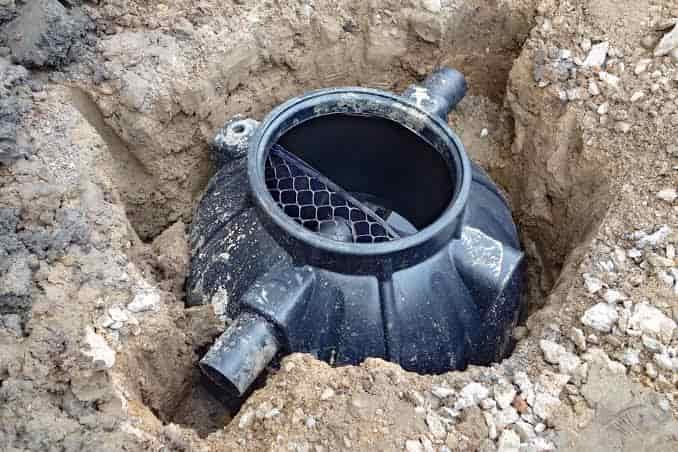
How Each Tank Fits Into Your Water Supply
An overhead tank sits on the roof or a raised stand. Water is pumped up into it, then flows down by gravity to taps, showers, flush tanks and geysers throughout the house.
An underground tank, usually built of RCC or brick with waterproofing, sits below ground level near the gate or in the compound. Municipal water arriving at low pressure, or water from a tanker, fills the sump directly. A pump then lifts water from the sump to the overhead tank.
In many Indian homes, the two work as a team: the sump stores water, and the overhead tank distributes it.
Water Pressure From an Overhead Tank
Gravity pressure depends on height. Every metre of height between the water level and a tap adds about 0.1 bar of pressure.
Consider a two-storey house where the overhead tank’s base sits about 1 metre above the terrace:
- A ground-floor bathroom about 7 to 8 metres below gets around 0.7 to 0.8 bar, which is comfortable.
- A top-floor bathroom only 1.5 to 2 metres below the tank gets around 0.15 to 0.2 bar, which often means a weak shower.
That’s why top-floor bathrooms and single-storey homes sometimes need a pressure pump, or a tank raised higher on a stand, for satisfying shower flow and proper functioning of single-lever mixers.
Why Underground Sumps Exist
Municipal water in many Indian cities arrives for limited hours and at low pressure, often too weak to reach a terrace tank directly. An underground sump lets that water flow in by gravity and be stored until needed.
Sumps also offer:
- Large capacity, often 5,000 to 20,000 litres, for homes relying on alternate-day supply or tankers
- Cooler water, since the ground keeps temperature stable
- No load on the roof, as heavy water storage sits on the ground
- Hidden storage, leaving the terrace free for solar panels or a garden
Temperature, Hygiene and Safety
Summer Heat
Overhead tanks in direct sun can make tap water uncomfortably warm in summer, especially in cities like Delhi, Jaipur or Nagpur. Light-coloured or insulated multi-layer tanks, a shade cover or placing the tank where it gets afternoon shade helps. Sump water stays noticeably cooler.
Contamination Risks
Underground tanks need special care. Cracks or poor waterproofing can let groundwater, soil or sewage seep in. Keep sumps well away from septic tanks, soak pits and drains, following local guidelines, and ensure the lid sits above ground level so rainwater can’t flow in.
Overhead tanks face fewer seepage risks, but loose lids allow dust, leaves, birds and insects inside.
Mosquitoes
Uncovered or poorly sealed tanks can become breeding spots for mosquitoes that spread dengue and chikungunya. Use tight-fitting lids and fit fine mesh over overflow and vent pipes on both types of tanks.
Pumping Cost Is Smaller Than You Think
Many people worry about the electricity used for pumping water up. The physics tells a reassuring story.
Lifting 1,000 litres of water by 10 metres takes about 98 kilojoules of energy, or roughly 0.027 units. Even with a typical home pump working at around 40 percent efficiency, that’s about 0.07 units, costing well under a rupee at ₹7 per unit.
So the electricity cost of pumping is small. What matters more is choosing a correctly sized pump, avoiding dry running and fitting an automatic water level controller so the pump switches off when the tank is full, preventing overflow and wastage.
Sizing Tanks for Your Family
Urban water planning in India commonly uses a benchmark of about 135 litres per person per day for domestic use.
For a family of five, that’s around 675 litres a day. If water comes on alternate days, you’d want at least two days of storage, around 1,350 litres, plus a buffer.
A practical setup for such a family might be:
- Underground sump: around 4,000 to 5,000 litres, covering several days of supply gaps
- Overhead tank: around 1,000 to 1,500 litres, covering a day’s use
Homes depending heavily on tankers or with irregular supply may need larger sumps.
Materials and Structure
Overhead tanks come in:
- Multi-layer plastic tanks, lightweight, quick to install and widely available
- RCC tanks, built as part of the structure, durable but heavier
- Stainless steel tanks, hygienic and long-lasting, at a higher price
Underground tanks are usually:
- RCC with waterproofing, the most common and durable option
- Brick masonry with plaster and waterproofing, more economical
- Underground plastic tanks, specially designed to resist soil pressure
Remember that 1,000 litres of water weighs about 1,000 kg. Overhead tanks need a structurally sound slab or stand, so consult an engineer before adding a large tank to an existing roof.
Maintenance Checklist
- Clean both tanks at least twice a year, ideally before and after the monsoon.
- Inspect sump walls and lids for cracks or leaks.
- Keep lids locked and sealed.
- Fit mesh on vents and overflow pipes.
- Check pump, float switches and level controllers regularly.
- Disinfect tanks after cleaning, especially after any contamination.
Choosing for Your Home
An overhead tank alone suits homes with strong, reliable municipal supply that can fill the terrace tank directly.
An underground sump plus overhead tank suits most Indian homes with intermittent supply, tanker dependence or low municipal pressure.
A sump with a pressure pump system, sometimes without an overhead tank, suits homes wanting strong, steady pressure on every floor, though it relies on electricity at every use.
FAQs
Q1. Which is better, an overhead or underground water tank?
A: Overhead tanks provide gravity supply, while underground sumps store more water; most Indian homes benefit from using both.
Q2. Why is water pressure low on the top floor?
A: The overhead tank sits only slightly above top-floor taps, so gravity pressure is low.
Q3. How often should water tanks be cleaned?
A: At least twice a year, ideally before and after the monsoon.
Q4. Does pumping water to an overhead tank use much electricity?
A: No, lifting 1,000 litres by 10 metres uses well under a rupee’s worth of electricity.
Q5. How far should a sump be from a septic tank?
A: It should be kept well away, following local guidelines, to avoid contamination.
Q6. Why does tank water get hot in summer?
A: Overhead tanks absorb sunlight, so insulated, light-coloured or shaded tanks keep water cooler.