 By Saurav Mehra
 A lot of people in India check their blood pressure only when something feels wrong — a headache that won’t go away, a bit of dizziness, or because a relative insisted after their own scare. The uncomfortable truth is that high blood pressure rarely announces itself. Someone can be walking around with dangerously high numbers, feeling completely fine, while the condition quietly works on their heart, kidneys, and blood vessels in the background. That’s exactly why it’s earned the nickname “the silent killer.”
With over 220 million adults in India estimated to have hypertension, and a large chunk of them not even aware of it, the real question most people struggle with isn’t “what is high BP” — it’s “at what point do I actually need to stop monitoring at home and go see a doctor?” That line isn’t always obvious, so let’s clear it up properly, with actual numbers and actual situations where waiting simply isn’t worth the risk.
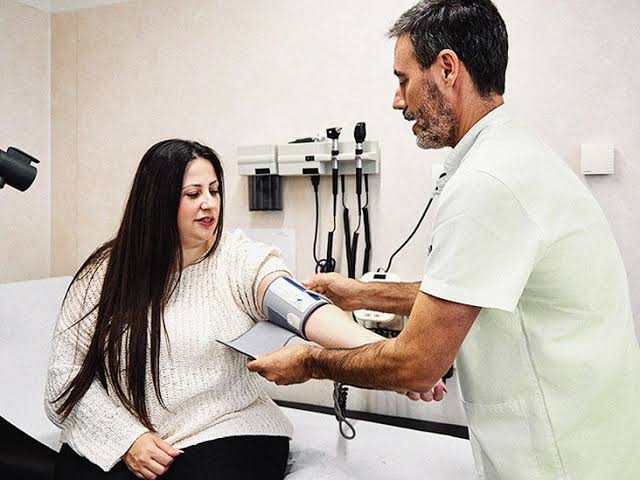
Know Your Numbers First
A normal blood pressure reading sits below 120/80 mmHg. Anything from 120-129 systolic with a diastolic under 80 is considered elevated, and once you cross 130/80 consistently, you’re already in the hypertension zone. If your home monitor keeps showing readings above this on separate days, that’s your first real signal to book an appointment rather than assume it was a one-off, stressful morning.
A Single High Reading Isn’t Always a Reason to Panic
Blood pressure naturally fluctuates through the day depending on stress, caffeine, physical activity, or even how you’re sitting when you measure it. One elevated reading after an argument or a rushed morning doesn’t automatically mean you have hypertension. What matters is a pattern — if you’re consistently seeing numbers above 130/80 across multiple readings taken at different times over a week or two, that pattern is what should prompt a doctor’s visit.
When Symptoms Show Up, Don’t Wait It Out
Because hypertension is usually silent, any physical symptoms that do appear deserve attention rather than being brushed off as fatigue or stress. Persistent headaches, dizziness, blurred vision, unusual tiredness, or a heavy feeling in the chest are all reasons to get checked, especially if more than one of these shows up together. These symptoms typically appear only once blood pressure has risen quite sharply, which means your body may already be dealing with more strain than you realise.
Treat a Reading Above 180/120 as an Emergency
This is the one number every household should genuinely remember. If your blood pressure reading crosses 180/120 mmHg, that’s considered a hypertensive crisis, especially if it comes with chest pain, breathlessness, vision changes, confusion, or slurred speech. This isn’t a “wait for the morning appointment” situation — this calls for immediate medical attention, ideally an emergency room, not a scheduled consultation.
Pregnancy Changes the Rules Completely
For pregnant women, even a moderate rise in blood pressure needs prompt medical evaluation rather than a wait-and-watch approach. Conditions like preeclampsia can develop quickly and pose serious risks to both mother and baby, so any unusual swelling, headaches, or blood pressure elevation during pregnancy should be reported to an obstetrician right away, not left until the next scheduled check-up.
Family History and Age Should Lower Your Threshold for Concern
If hypertension, heart disease, or stroke runs in your family, or if you’re above 40, it’s worth getting your blood pressure checked at least once a year even if you feel completely fine. Indian populations tend to develop heart-related complications almost a decade earlier compared to Western populations, largely due to genetic factors combined with high-stress urban lifestyles. Waiting for symptoms in this case isn’t a safe strategy.
Existing Conditions Make Monitoring Non-Negotiable
If you already have diabetes, kidney disease, thyroid issues, or are on medications like steroids or certain birth control pills, your risk of developing high blood pressure is meaningfully higher. In these cases, regular blood pressure checks should be part of your routine health management, and any unexpected spike should be discussed with your doctor rather than managed independently at home.
Which Doctor Should You Actually See?
For a first diagnosis or general management, a general physician is a perfectly reasonable starting point. If your numbers are consistently high, poorly controlled despite medication, or you’re experiencing symptoms suggesting organ involvement, a cardiologist is usually the next step, since they’re best placed to assess broader cardiovascular risk alongside your blood pressure readings.
FAQs
Q1. Can high blood pressure be brought back to normal without medication?
In earlier or borderline stages, lifestyle changes like reducing salt intake, regular walking, weight management, and better sleep can bring numbers back into a healthy range for some people. Once it’s more established, medication is often needed alongside these changes rather than as a replacement for them.
Q2. Is it normal for blood pressure to be higher at the doctor’s clinic than at home?
Yes, this is common enough to have its own name — “white coat hypertension” — caused by the stress of a clinical setting. This is exactly why doctors often recommend comparing home readings with clinic readings before confirming a diagnosis.
Q3. How often should someone with normal blood pressure get it checked?
Once a year is generally sufficient for adults with no risk factors, though anyone above 40, or with a family history of hypertension, should consider checking every six months.
Q4. Does high blood pressure in your 20s need the same urgency as in older adults?
Yes, arguably more so, since younger adults are increasingly being diagnosed due to stress, poor sleep, and sedentary habits, and untreated hypertension at a younger age has more years to cause silent damage before it’s caught.