 By Subhash Kumar
 Good ventilation is essential for a healthy, comfortable, and durable home. In India, where high humidity, monsoons, dust, and urban pollution are common, poor ventilation can lead to mold growth, stale air, respiratory issues, and even structural damage to walls and furniture. Proper airflow reduces indoor pollutants, controls moisture, and makes living spaces feel fresher and cooler, especially during humid summers and rainy seasons.
Whether you live in a compact urban apartment or a spacious independent house, improving ventilation is one of the smartest investments you can make in your home’s well-being. This article provides practical, actionable strategies to enhance natural and mechanical ventilation in Indian homes.
Why Ventilation Matters in Indian Homes
Indian households often face high moisture levels from cooking, bathing, and washing. Without adequate airflow, this moisture condenses on walls and ceilings, promoting mold and mildew. Poor ventilation also traps smoke from cooking, volatile organic compounds from paints and furniture, and outdoor pollutants that seep in through windows. Good ventilation helps regulate temperature, reduces allergy triggers, and improves overall indoor air quality — crucial for children, elderly family members, and those with respiratory conditions.
1. Maximize Natural Ventilation
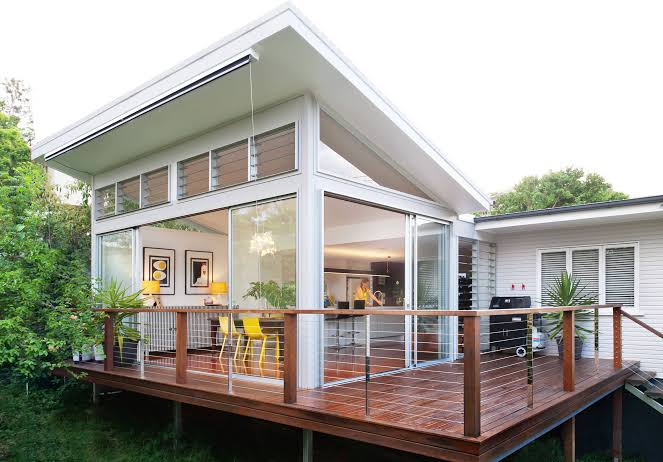
Natural ventilation is the most cost-effective and energy-efficient method.
- Cross Ventilation: Arrange windows and doors on opposite sides of rooms to create airflow paths. Keep opposite windows open during cooler parts of the day.
- Strategic Window Placement: Install windows at different heights — lower for incoming fresh air and higher (vents or clerestory windows) for hot air to escape.
- Ventilators and Jaali Designs: Traditional Indian jaali (lattice) work or modern ventilators above windows allow air movement while maintaining privacy and security.
- Courtyards and Open Spaces: In independent houses, courtyards or atrium designs naturally pull air through the home.
Practical Tip: Use window shades or curtains during peak heat hours and open them in the early morning and evening.
2. Install Mechanical Ventilation Systems
In modern apartments with limited natural airflow, mechanical solutions are necessary.
- Exhaust Fans: Install high-quality exhaust fans in kitchens and bathrooms to remove moisture, smoke, and odors. Choose models with automatic shutters.
- Ceiling and Wall Fans: These improve air circulation and make rooms feel cooler without lowering the actual temperature.
- Energy Recovery Ventilators (ERVs) or Heat Recovery Ventilators (HRVs): Advanced systems that bring in fresh air while expelling stale air, recovering energy in the process. Ideal for larger homes.
- Inline Fans and Ducting: Useful for windowless bathrooms or internal rooms.
For smaller homes, a combination of exhaust fans and ceiling fans usually suffices.
3. Optimize Kitchen and Bathroom Ventilation
These are the highest moisture-producing areas in Indian homes.
- Kitchen: Install a powerful chimney with adequate suction capacity (800–1200 m³/hr) above the stove. Combine with an exhaust fan for best results.
- Bathroom: Use exhaust fans with timers or humidity sensors. Ensure proper ducting to expel air directly outside rather than into the attic or false ceiling.
- Keep bathroom doors slightly open or use vented doors after showers.
4. Improve Overall Home Design and Habits
- Avoid Blocking Airflow: Don’t place large furniture against walls or in front of windows.
- Use Air-Purifying Plants: Snake plants, money plants, and peace lilies help improve air quality naturally.
- Control Indoor Humidity: Use dehumidifiers during monsoons. Avoid drying clothes indoors.
- Regular Maintenance: Clean window meshes, exhaust fan blades, and ducts every 3–6 months.
5. Advanced Solutions for Modern Homes
- Smart Ventilation Systems: Automated systems with sensors that adjust airflow based on humidity and air quality.
- Solar-Powered Roof Ventilators: Excellent for independent houses to expel hot air from attics.
- False Ceiling with Ventilation Gaps: Allows air movement while hiding wiring and providing a neat finish.
Benefits of Improved Ventilation
Better ventilation reduces respiratory problems, prevents mold-related allergies, lowers cooling costs, and extends the life of furniture, paint, and electronics. It also makes your home more comfortable during humid seasons and improves sleep quality.
Conclusion
Improving ventilation in your Indian home doesn’t always require expensive renovations. Simple changes like strategic window opening, installing exhaust fans, and maintaining cleanliness can make a significant difference. For best results, combine natural airflow with smart mechanical solutions suited to your home’s layout and local climate.
Take time to assess current airflow in your rooms, identify problem areas, and implement solutions step by step. A well-ventilated home feels fresher, healthier, and more inviting — qualities every Indian family deserves. Start today, and you’ll notice the difference in comfort and air quality within weeks.
FAQ
Q1: How do I know if my house has poor ventilation?
Signs include stuffy air, persistent odors, condensation on windows, mold growth, and feeling tired or sleepy indoors.
Q2: What is the cheapest way to improve ventilation?
Opening windows for cross ventilation, installing exhaust fans in kitchens and bathrooms, and using ceiling fans are the most affordable methods.
Q3: Are exhaust fans enough for Indian kitchens?
A good chimney combined with an exhaust fan works best for heavy Indian cooking that produces smoke and grease.
Q4: Should I keep windows open during monsoon?
Open windows during dry periods and use exhaust systems during heavy rains to balance ventilation and moisture control.
Q5: Can plants really help with ventilation?
Plants improve air quality by absorbing pollutants, but they cannot replace proper mechanical or natural airflow systems.
Q6: How often should I clean exhaust fans and chimneys?
Clean exhaust fans every 2–3 months and chimneys at least twice a year for optimal performance.
Q7: Is it worth installing a full ventilation system in an apartment?
Yes, especially in poorly ventilated flats. ERV systems or multiple exhaust fans significantly improve indoor air quality and comfort.