 By Saurav Mehra
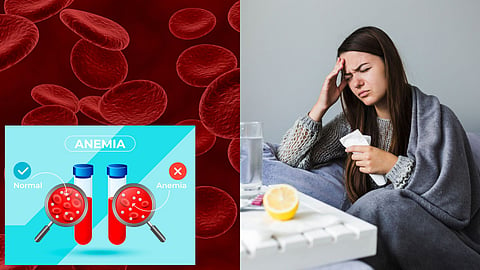
 A 24-year-old woman in Lucknow gets her routine blood test done before a minor surgery and is told her haemoglobin sits at 9.5 — mildly anaemic — despite eating what she considers a normal, reasonably balanced diet. She’s genuinely surprised, because she’d always assumed anemia was something that affected people who were visibly malnourished, not someone like her. That assumption is exactly why anemia remains so widespread across India: it’s quiet, common enough to feel almost invisible, and far more tangled up with everyday factors than most people realise.
The Numbers Are Genuinely Staggering
More than 57% of Indian women aged 15 to 49 are anaemic, according to the National Family Health Survey — and that figure actually rose from the previous survey rather than improving. Among children aged 6 to 59 months, the number climbs even higher, past 67%. This isn’t a niche health issue affecting a small vulnerable population; it’s touching more than half of an entire demographic, which is exactly why it’s classified as one of India’s most significant, persistent public health challenges.
Why Iron Deficiency Sits at the Root of Most Cases
Iron deficiency accounts for the overwhelming majority of anemia cases in India — well above 90% by some clinical studies. Your body needs iron to make haemoglobin, the protein in red blood cells that actually carries oxygen around your body, and when iron runs short, everything from your energy levels to your ability to concentrate genuinely takes a hit. This is why fatigue, breathlessness on mild exertion, and pale skin or nails are such common — and commonly dismissed — symptoms.
Menstruation and Pregnancy Explain Much of the Gender Gap
Women lose iron monthly through menstruation in a way men simply don’t, and this loss compounds considerably during pregnancy, when the body’s iron demands increase substantially to support a growing baby. Heavy menstrual bleeding specifically, frequent pregnancies with short gaps between them, and repeated breastfeeding cycles all draw down iron reserves faster than an average diet typically replenishes them — which is exactly why anemia prevalence in India skews so heavily toward women of reproductive age rather than the population as a whole.
Diet Quality and Iron Absorption Are Two Separate Problems
It’s not simply that people aren’t eating enough iron-containing food — it’s that the type of iron matters enormously too. Plant-based iron, found in lentils, spinach, and grains, absorbs considerably less efficiently than the iron found in meat and fish, and for a country where a large share of the population eats primarily vegetarian, this absorption gap genuinely matters. Pairing iron-rich foods with vitamin C — a squeeze of lemon over dal, or amla alongside a meal — measurably improves how much iron your body actually absorbs, while tea and coffee consumed too close to meals can genuinely block iron absorption instead.
Parasitic Infections and Poor Sanitation Add a Layer Many People Don’t Consider
Intestinal worms and other parasitic infections cause ongoing, low-grade blood loss that can contribute meaningfully to anemia over time, particularly in areas where sanitation infrastructure remains inconsistent. This is part of why deworming programs are bundled alongside iron supplementation in India’s public health initiatives — treating iron deficiency without addressing an underlying parasitic cause means the anemia often persists despite supplementation.
Genetic Blood Disorders Play a Role Too, Though a Smaller One
Conditions like thalassemia, sickle cell disease, and G6PD deficiency are inherited blood disorders that cause anemia through mechanisms entirely separate from diet, and they’re genuinely more common in certain Indian communities and regions than others. This distinction matters practically — someone with a genetic cause of anemia won’t see meaningful improvement from iron supplementation alone, which is why proper diagnosis before treatment genuinely matters rather than assuming every case of low haemoglobin responds to the same fix.
Government Programs Exist, But Compliance Remains the Real Gap
India has run iron supplementation programs since the 1970s, and newer initiatives like Anemia Mukt Bharat have specifically targeted reproductive-age women, adolescents, and children with a lifecycle approach. Yet despite decades of these programs, prevalence has continued rising in several states. Part of the honest explanation here is compliance — one recent survey found that while nearly 80% of women supported iron supplementation in principle, only around 30% actually followed through with regular treatment, often due to side effects like constipation or simply not sustaining the habit long enough to see benefit.
What Actually Helps, Beyond Just Taking a Tablet
Iron supplements genuinely work — clinical studies show meaningful haemoglobin improvement across different iron formulations, with ferrous fumarate showing particularly strong results in recent Indian trials. But supplementation works best alongside dietary changes, not instead of them: building meals around iron-rich foods, pairing them with vitamin C sources, treating any underlying parasitic infection, and spacing tea or coffee away from mealtimes all genuinely compound the benefit. For pregnant women specifically, newer options like single-dose intravenous iron are being studied as an alternative where oral tablets cause troublesome side effects or poor adherence.
Frequently Asked Questions
Q1. I eat a normal diet and don’t feel severely unwell — can I still be anaemic?
Yes, genuinely — mild to moderate anemia often produces subtle symptoms like tiredness or slight breathlessness that get attributed to stress or a busy schedule rather than connected to blood haemoglobin levels. A simple blood test is the only reliable way to know, rather than relying on how you feel day to day.
Q2. Why do iron tablets sometimes not seem to work even after taking them for weeks?
This can happen for a few reasons — inconsistent daily intake, taking them alongside tea or coffee which blocks absorption, or an underlying cause like a parasitic infection or genetic blood disorder that iron alone won’t fix. If your levels aren’t improving despite consistent supplementation, it’s worth discussing further testing with your doctor rather than assuming the tablets simply aren’t effective.
Q3. Does being vegetarian genuinely increase my risk of anemia?
It can, since plant-based iron absorbs less efficiently than iron from meat and fish, though this is genuinely manageable — pairing iron-rich vegetarian foods like dal, spinach, and jaggery with vitamin C sources like lemon, amla, or tomatoes meaningfully improves absorption and helps close this gap.
Q4. Should pregnant women take iron supplements even if a blood test hasn’t shown anemia yet?
This is worth discussing directly with your doctor, since pregnancy substantially increases iron requirements and many women develop anemia progressively through pregnancy even if early tests looked normal. Many doctors recommend supplementation proactively during pregnancy precisely because of how common and how consequential anemia can become for both mother and baby if it develops later.