 By Saurav Mehra
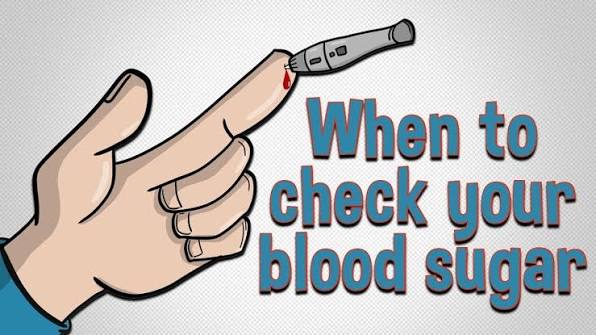
 Someone recently diagnosed with type 2 diabetes buys a glucometer, checks their sugar once first thing in the morning, sees a reasonable number, and assumes that single reading tells the whole story. Weeks later, their doctor asks about their post-meal numbers specifically, and they genuinely have no idea — they’ve never checked at that time. This gap is common, and it matters, because a single fasting number genuinely misses most of what actually happens to your blood sugar across a typical day.
Why One Reading a Day Genuinely Isn’t Enough
Blood sugar doesn’t sit at one level throughout the day — it rises and falls in response to food, activity, stress, medication timing, and even sleep. Checking only once, always at the same time, genuinely gives you a narrow, incomplete picture, similar to judging an entire movie from a single frame. The times you check, and how often, should genuinely be tailored to your specific treatment plan rather than following one generic rule for everyone with diabetes.
Your Fasting Number Tells You About Overnight Control
Checking first thing in the morning, before eating anything, measures your fasting glucose — genuinely useful for understanding how your body manages sugar overnight without any food influencing the number. If you also check just before bed, comparing the two numbers tells you specifically whether your levels are drifting upward while you sleep, information that’s genuinely useful for adjusting evening medication or dinner timing.
Checking Before and After Meals Reveals What Your Body Does With Food
This is genuinely the piece most newly diagnosed people skip, and it’s arguably more informative than the fasting number alone. Checking right before a meal and then again roughly two hours afterward shows you exactly how much a specific meal raised your sugar and how efficiently your body brought it back down. Over a few weeks of doing this consistently, you’ll genuinely start noticing patterns — perhaps rice spikes you considerably more than roti, or a particular snack causes a bigger jump than you’d expect — information a single daily check would never reveal.
How Often You Should Genuinely Check Depends Heavily on Your Treatment
This varies enormously, and it’s worth understanding rather than assuming everyone follows an identical schedule. People managing diabetes purely through diet and lifestyle changes, with stable, well-controlled numbers, might genuinely only need to check a few times a week. Those on oral medications typically check somewhat more often, while people on insulin — particularly multiple daily doses — may need to check anywhere from several times a day up to ten times, since insulin dosing decisions genuinely depend on having current, accurate glucose information rather than yesterday’s number.
Certain Situations Genuinely Demand More Frequent Checking, Temporarily
A handful of specific circumstances should genuinely prompt you to check more often than your usual routine, at least for a while. Starting a new medication or adjusting an insulin dose means your doctor needs to see how your body is actually responding, which requires more frequent data than usual. Being unwell with a fever, infection, or significant stress genuinely makes blood sugar considerably less predictable, sometimes rising unexpectedly even without eating differently, which is exactly why illness is a period to check more, not less. Starting a new exercise routine similarly warrants extra checks initially, since physical activity affects glucose levels in ways that genuinely differ from person to person and are worth understanding specifically for your own body.
Pregnancy Changes the Monitoring Schedule Considerably
Women with gestational diabetes or pre-existing diabetes who become pregnant need genuinely more intensive monitoring than the general recommendation, often checking multiple times daily — fasting plus after each meal — throughout the pregnancy, since both maternal and fetal health depend on tighter glucose control during this period than would typically be necessary otherwise.
When a Reading Demands Immediate Attention, Not Just Logging
Beyond routine checking, certain numbers genuinely warrant an immediate response rather than simply noting them down for your next doctor’s visit. Blood sugar consistently above 250 mg/dL, or a reading below 70 mg/dL accompanied by symptoms like shakiness, sweating, or confusion, should prompt action right away rather than waiting to mention it later. For people with type 1 diabetes specifically, checking for ketones becomes important once blood sugar exceeds 250 mg/dL, or during illness, since this combination can signal a genuinely serious complication developing.
Continuous Glucose Monitors Are Changing What “Checking” Even Means
This is worth knowing about even if you’re currently using a standard fingerstick glucometer. Continuous glucose monitoring devices track your sugar levels around the clock through a small sensor, providing real-time trend data rather than isolated snapshots, and current diabetes care guidelines now recommend these devices for adults on insulin therapy, on medications that can cause low blood sugar, or really for anyone whose management would genuinely benefit from this kind of continuous picture rather than periodic spot-checks. These devices can alert you to a rising or falling trend before it becomes dangerous, catching problems earlier than traditional checking ever could.
Why Keeping a Log Genuinely Matters as Much as the Checking Itself
A number without context is genuinely far less useful than the same number paired with notes about what you ate, whether you exercised, and how you were feeling. Keeping a simple logbook, or using one of the many smartphone apps built for this purpose, lets you and your doctor spot genuine patterns over weeks rather than trying to reconstruct memory during a rushed appointment. This context is exactly what turns routine checking from a chore into a genuinely useful tool for adjusting your treatment plan.
Frequently Asked Questions
Q1. Do I genuinely need to check my blood sugar every single day if my diabetes is well controlled through diet alone?
Not necessarily — people managing diabetes purely through lifestyle changes with consistently stable readings can often check just a few times a week rather than daily, though this should genuinely be a decision made together with your doctor based on your specific pattern of control.
Q2. Why does my doctor want to know my post-meal readings specifically, not just my fasting number?
Because post-meal readings show exactly how your body responds to specific foods, information a fasting number alone can’t provide — this helps identify which meals or ingredients cause bigger spikes, letting you and your doctor make genuinely targeted adjustments rather than generic dietary advice.
Q3. Should I check my blood sugar more often when I’m sick, even with a minor cold?
Yes, genuinely — illness, even something as mild as a cold, can make blood sugar considerably less predictable and often push it higher, which is exactly why doctors recommend more frequent checking during any illness rather than assuming your usual routine still applies.
Q4. Is a continuous glucose monitor worth considering if I’m currently just using a regular glucometer?
It’s genuinely worth discussing with your doctor, particularly if you’re on insulin or medications that can cause low blood sugar, since continuous monitoring catches trends and potential problems in real time rather than only at the specific moments you happen to do a fingerstick check.