 By Saurav Mehra
 A father in Hyderabad watches his 8-year-old’s fever finally break after three days, breathes a sigh of relief, and lets his guard down completely. What he doesn’t realise is that this exact moment — the fever dropping — is often when dengue turns genuinely dangerous, not when it resolves. This counterintuitive pattern catches families off guard every single monsoon season, which is exactly why understanding fever’s actual warning signs matters more than simply watching the thermometer number.
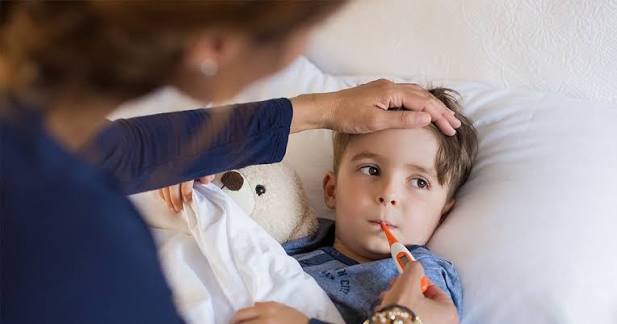
Fever Itself Isn’t the Enemy — It’s Information
Fever is your body’s natural response to infection, not an illness in its own right, and most fevers in both children and adults are mild viral infections that resolve on their own within a few days. This matters because it means the goal isn’t panicking over every degree above normal — it’s learning to read the accompanying signs that tell you whether this is an ordinary infection running its course, or something that needs a hospital.
Babies Under Three Months Are a Genuine, Non-Negotiable Exception
This deserves stating with complete clarity because it’s the one rule that doesn’t allow for a wait-and-watch approach at all. In an infant under three months old, any fever of 100.4°F (38°C) or higher is a medical emergency, full stop. This isn’t a situation to manage with paracetamol and observation overnight — it needs same-day medical attention, even if that means going to a hospital at 2am. A young infant’s immune system simply can’t be trusted to fight off what an older child or adult would handle without difficulty.
Three Days Is the Line for Everyone Else
For children and adults beyond early infancy, fever persisting beyond three days is the point where home management should shift toward getting it properly evaluated, rather than continuing with antipyretics alone. This matters considerably more in India specifically than in many other countries — a fever running three-plus days here genuinely needs to be checked for dengue, typhoid, or malaria through actual blood tests, not just managed as “probably a virus” indefinitely.
Lethargy Between Fever Spikes Is a Genuine Red Flag
This is one of the more useful, practical signs parents often miss. If a child’s temperature comes down after medicine but they remain lethargic, unresponsive, or simply “not themselves” even during the fever-free window, that’s meaningfully different from a child who perks back up and plays normally once the fever breaks. The second pattern is reassuring; the first genuinely warrants medical attention regardless of what the thermometer shows in that moment.
Dengue’s Most Dangerous Phase Begins When the Fever Actually Drops
This is genuinely the most important, counterintuitive fact in this entire topic, and it’s worth repeating clearly: dengue’s critical phase typically starts 24 to 48 hours after the fever subsides, not while it’s still raging. A drop in temperature does not signal recovery in dengue — it can mark the beginning of the most dangerous window, when plasma leakage, dangerously low blood pressure, and organ stress can develop rapidly. This is precisely why doctors insist on continued monitoring even after a dengue patient’s fever appears to be resolving, rather than treating the temperature drop as the all-clear signal most people instinctively assume it is.
The Specific Warning Signs That Mean Go to the Hospital Now
Regardless of the underlying cause, certain symptoms alongside fever mean immediate emergency care rather than continued home monitoring: difficulty breathing, a stiff neck, a purple or spreading rash, seizures, severe lethargy, persistent vomiting, severe abdominal pain, bleeding from the gums or nose, blood in vomit or stool, cold or clammy hands and feet, refusing to drink fluids, or no urination for many hours. Any one of these paired with fever is a reason to call for emergency help — 112 nationally, or 108 for an ambulance — rather than waiting to see if things improve on their own.
Why Platelet Numbers Alone Don’t Tell the Whole Story
This is worth knowing specifically for families managing dengue, since it’s a common source of unnecessary panic or, conversely, false reassurance. Many families rush to demand a platelet transfusion when counts fall to 80,000–90,000, but transfusion generally isn’t recommended at that level unless there’s active, uncontrolled bleeding — doctors make this call based on the complete clinical picture, not the platelet number in isolation. Counts genuinely becoming high-risk for spontaneous bleeding usually sit below 20,000, and even then, the decision depends on the full context, not a single number pulled from a lab report.
Never Give Aspirin or Ibuprofen If Dengue Is Even a Possibility
This is a genuinely important, specific safety point worth remembering during any monsoon fever in India. If dengue hasn’t been ruled out, only paracetamol is safe for bringing down fever — aspirin and ibuprofen can worsen bleeding risk in a condition that already affects platelets and clotting. This matters enough that it’s worth checking what’s actually in a combination fever medicine before giving it, rather than assuming any over-the-counter fever reducer is interchangeable with another.
When a Blood Test Genuinely Matters More Than Waiting It Out
Since dengue, typhoid, and malaria can all look nearly identical to an ordinary viral fever in their first couple of days, a simple blood test — NS1 antigen for dengue specifically works well from day one of fever — is genuinely the only reliable way to tell them apart. During monsoon season particularly, treating a persistent fever as “probably just a virus” without testing means potentially missing a condition that needs a completely different treatment approach and closer monitoring.
Frequently Asked Questions
Q1. My child’s fever went down after paracetamol but they still seem unusually tired — should I be worried?
Yes, this specific pattern — remaining lethargic even once the temperature has come down — is genuinely more concerning than the fever itself, and it’s worth having your child evaluated rather than simply continuing to manage the fever at home.
Q2. Is it true that dengue can become more dangerous after the fever actually goes away?
Yes, genuinely, this is one of the most important and commonly misunderstood aspects of dengue — the critical phase often begins 24 to 48 hours after the fever subsides, which is exactly why continued monitoring for warning signs matters even once the temperature looks normal again.
Q3. Should I give my child ibuprofen if they have a high fever during monsoon season?
Not until dengue has been ruled out through testing — only paracetamol is considered safe in this situation, since ibuprofen and aspirin can increase bleeding risk if dengue turns out to be the actual cause.
Q4. At what platelet count should I genuinely start worrying about my dengue diagnosis?
Counts below 20,000 are generally considered high-risk for bleeding, though your doctor will look at the complete picture — trends over multiple tests, any active bleeding signs, and overall clinical status — rather than reacting to a single number in isolation, so it’s worth trusting that broader assessment rather than a specific figure alone.