 By Subhash Kumar
 In many Indian homes, ghee is not just a cooking fat—it is emotion, tradition and flavour packed into one spoon. A hot phulka with ghee, dal tadka with that rich aroma, ghee on khichdi during illness, or a spoon added to halwa during festivals—ghee has a permanent place in our kitchens. But today, when people are more conscious about cholesterol, weight gain, diabetes, heart health and clean eating, one question comes up again and again: should we use cow ghee or buffalo ghee?
The confusion is natural. Markets are full of claims like “pure cow ghee,” “A2 ghee,” “bilona ghee,” “desi buffalo ghee,” “better for digestion,” “better for strength,” and “good for cooking.” For an average Indian buyer, it becomes difficult to know what is actually useful and what is just marketing. The truth is simple: both cow ghee and buffalo ghee are traditional dairy fats, both can be used in cooking, and both need portion control. The healthier option depends on your cooking style, body needs, taste preference and overall diet.
Let’s understand the difference in a practical way so you can decide what belongs in your kitchen.
What Is Cow Ghee?
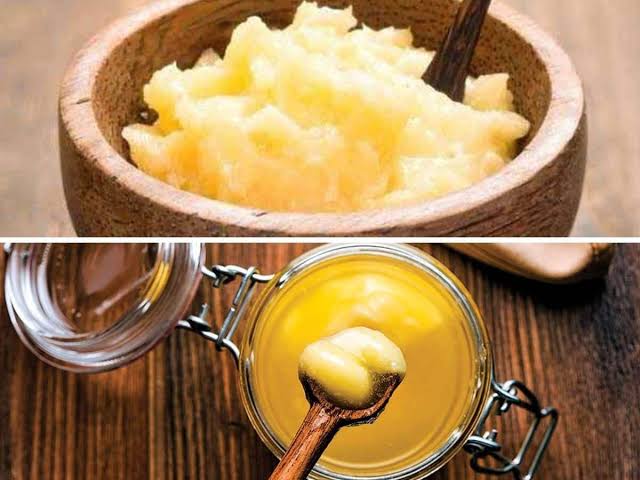
Cow ghee is made from cow milk butter or cream. It is usually golden-yellow in colour, especially when made from good-quality cow milk. The yellow shade mainly comes from natural pigments present in cow milk fat.
In Indian households, cow ghee is often preferred for daily use because it is considered lighter in texture, aromatic and easier to digest for many people. It has a pleasant flavour that works well with dal, rice, roti, khichdi, parathas, sweets and simple tadkas.
However, cow ghee is still fat-rich. Even if it is traditional and natural, it should not be eaten in unlimited quantity.
What Is Buffalo Ghee?
Buffalo ghee is made from buffalo milk butter or cream. It is usually white or pale cream in colour and has a denser, heavier texture compared to cow ghee. Buffalo milk naturally contains more fat than cow milk, so buffalo ghee often feels richer and thicker.
Many Indian families like buffalo ghee because it gives a strong flavour, creamy mouthfeel and good richness to food. It is commonly used in sweets, parathas, heavy gravies and winter foods where people want more depth and energy.
Buffalo ghee can be useful for people who need higher calories, but it may not be the best everyday choice for those trying to reduce weight, control cholesterol or keep meals light.
Cow Ghee vs Buffalo Ghee: Basic Difference
The main difference comes from the milk source. Cow milk and buffalo milk are not identical, so their ghee also differs in colour, texture, aroma and heaviness.
Cow ghee is generally lighter, more aromatic and yellowish. Buffalo ghee is generally thicker, whiter and richer. Cow ghee may suit daily home cooking better for many people, while buffalo ghee is often preferred when a recipe needs extra richness.
But from a health point of view, the difference is not so magical that one becomes medicine and the other becomes harmful. Both are concentrated fats. Both contain saturated fat. Both are calorie-dense. So the biggest rule is not only “which ghee” but also “how much ghee.”
Which Has More Fat and Calories?
Ghee is almost pure fat, whether it comes from cow milk or buffalo milk. One teaspoon may look small, but it adds a good amount of calories. This is why even healthy people should use it carefully.
Buffalo ghee may feel heavier because buffalo milk has higher fat content. Cow ghee is usually considered lighter in daily eating. If you are trying to lose weight or reduce overall fat intake, cow ghee in a small amount may be a more practical option.
But remember, switching from buffalo ghee to cow ghee will not help much if you still use four or five spoons daily. Quantity matters more than the colour of the ghee.
Which Is Better for Cooking?
Both cow ghee and buffalo ghee can be used for Indian cooking. Ghee is generally stable for common cooking methods like tadka, sautéing, roasting and making parathas. It gives a strong aroma even in small quantity, so you do not need to use too much.
Cow ghee works very well for daily dal tadka, rice, khichdi, upma, poha, vegetable sautéing and phulkas. Its aroma is pleasant and it does not make food feel too heavy when used moderately.
Buffalo ghee is better suited for dishes where richness is needed, such as halwa, ladoo, panjiri, parathas, pooris, festive sweets and heavy gravies. It gives a fuller taste and creamy texture.
For everyday cooking, cow ghee is usually the lighter and more convenient choice. For occasional rich dishes, buffalo ghee can be used in controlled quantity.
Which Is Better for Heart Health?
This is the most important part. Many people believe that because ghee is traditional, it is automatically heart-friendly. That is not fully correct. Ghee contains saturated fat, and too much saturated fat can affect heart health, especially if the rest of the diet is also high in fried food, bakery items, butter, cream, red meat or processed snacks.
Between cow ghee and buffalo ghee, cow ghee is often preferred by people looking for a lighter option. But if someone has high LDL cholesterol, heart disease, fatty liver or obesity, the main advice is to reduce total ghee quantity, not just change the type.
For heart-conscious cooking, use ghee like a flavouring fat, not the main cooking medium for every dish. For example, cook sabzi in a suitable oil and add half a teaspoon of ghee at the end for aroma. This gives taste without overloading the meal.
Which Is Better for Weight Loss?
If your goal is weight loss, cow ghee may be a better choice because it feels lighter and is easier to use in small amounts. But weight loss depends on total calories throughout the day.
A spoon of ghee on roti is fine for many people. But ghee on every roti, ghee-heavy parathas, ghee-fried snacks and sweets can quickly increase calories.
Buffalo ghee is more suitable for people who need higher energy, such as growing children, physically active individuals or those doing heavy manual work. For sedentary adults, buffalo ghee should be used more carefully.
The best weight-loss approach is simple: use one small spoon for flavour and keep the rest of the meal balanced with dal, vegetables, salad, curd, pulses and whole grains.
Which Is Better for Digestion?
Many Indians feel cow ghee is lighter on the stomach than buffalo ghee. This is why cow ghee is commonly used with dal, rice, khichdi and simple meals. Buffalo ghee may feel heavy, especially when used in large quantity or eaten with fried food.
However, digestion is personal. Some people digest both easily, while others may feel acidity, heaviness or nausea after too much ghee. If you have digestive issues, start with a small amount and observe your body.
For elderly people or those recovering from illness, cow ghee in a small quantity may be easier to include. But if a doctor has advised a low-fat diet, both types should be restricted.
Which Is Better for Children?
Children need energy and good nutrition, so a small amount of ghee can be part of their diet. Cow ghee is often used for daily meals because it is lighter and aromatic. Buffalo ghee can also be used, especially for active children who need more calories.
But parents should avoid the idea that more ghee means more strength. Too much ghee can reduce appetite for other important foods like dal, vegetables, fruits, eggs, curd, milk, nuts and grains.
For children, the focus should be variety. A little ghee on roti or dal is fine, but meals should not become ghee-heavy every day.
Cow Ghee vs Buffalo Ghee for Diabetes
Ghee does not directly raise blood sugar like sugar or refined carbs because it has no carbohydrate. But that does not mean diabetics can eat it freely. Ghee is calorie-dense, and excess calories can increase weight, which can make diabetes harder to manage.
For diabetics, cow ghee in small quantity is usually a better daily option than heavy use of buffalo ghee. The meal combination matters more. For example, one teaspoon of ghee on dal with salad and roti is very different from ghee-loaded parathas with pickle and sweet tea.
People with diabetes should also pay attention to cholesterol and heart health because diabetes already increases heart risk.
Taste and Texture: What Should You Choose?
Choose cow ghee if you want a light aroma, golden colour and daily-use comfort. It works well in simple home food and gives flavour without making the dish too heavy.
Choose buffalo ghee if you want richness, thickness and a stronger mouthfeel. It works well for sweets, festive recipes and winter dishes.
If your family uses ghee mainly for dal, roti and rice, cow ghee is more practical. If you make traditional sweets or heavy Punjabi-style dishes occasionally, buffalo ghee can give better richness.
How Much Ghee Is Safe for Daily Use?
There is no single amount that fits everyone. A person’s ideal ghee intake depends on age, activity level, weight, cholesterol, health condition and total diet.
For many healthy adults, one to two teaspoons a day may fit into a balanced diet. But if you already eat fried food, creamy gravies, butter, bakery snacks or high-fat non-veg dishes, even this may be too much.
People with high cholesterol, heart disease, fatty liver, obesity or diabetes should take personalised advice from a doctor or dietitian.
The safest habit is to measure ghee with a spoon instead of pouring directly from the jar.
Buying Tips: Do Not Fall Only for Marketing
Whether you buy cow ghee or buffalo ghee, quality matters. Choose ghee that smells fresh, has a clean texture and comes from a trusted brand or reliable local source.
Do not blindly believe every “A2,” “organic,” “bilona” or “village-made” claim without checking purity and hygiene. Expensive does not always mean better. Pure, fresh and properly stored ghee is more important than fancy packaging.
Avoid ghee that smells rancid, tastes bitter or looks suspiciously grainy in an unnatural way. Also check the label, manufacturing date and storage instructions.
Storage Tips for Better Quality
Keep ghee in a clean, dry jar. Always use a dry spoon. Water or food particles can spoil the quality. Store it away from direct sunlight and heat.
If you buy a large pack, keep some in a small daily-use container and store the rest properly. This prevents repeated exposure to air and moisture.
Good storage helps maintain flavour and reduces the chance of rancidity.
Practical Verdict for Indian Cooking
For everyday Indian cooking, cow ghee is generally the better option for most people because it is lighter, aromatic and easier to use in small amounts. It suits daily dal, roti, rice, khichdi and simple vegetable dishes.
Buffalo ghee is richer and heavier, so it is better for occasional use, sweets, festive foods and high-energy diets. It may not be ideal as a daily fat for people managing weight, cholesterol, diabetes or heart health.
The healthiest choice is not using unlimited cow ghee or fearing buffalo ghee completely. The healthiest choice is using good-quality ghee in the right quantity, with a balanced diet and an active lifestyle.
FAQs
Q1. Is cow ghee healthier than buffalo ghee?
Cow ghee is generally considered lighter and more suitable for daily cooking. Buffalo ghee is richer and heavier. For most people, cow ghee in small quantity is a better everyday option, but both should be used with portion control.
Q2. Can heart patients eat ghee?
Heart patients should be careful with all types of ghee because ghee contains saturated fat. Some people may be allowed a very small amount, but it depends on cholesterol levels, medicines and doctor’s advice. They should not use ghee as the main cooking fat.
Q3. Which ghee is better for weight gain?
Buffalo ghee may be better for weight gain because it is richer and more calorie-dense in practical use. However, healthy weight gain should include protein, strength training, nuts, dairy, pulses and balanced meals—not only extra ghee.
Q4. Can we mix cow ghee and buffalo ghee?
Yes, they can be mixed if both are pure and fresh. But mixing does not make ghee automatically healthier. The final health impact still depends on total quantity and how often you use it.