 By Saurav Mehra
 Many Indian women try everything for weight loss—less rice, no sugar, green tea, walking, gym, intermittent fasting, skipping dinner, home workouts, and sometimes even extreme diets. Still, the weighing scale refuses to move. The stomach area stays heavy, cravings return at night, energy drops, and one small festival week brings back the lost weight. At this point, the problem is often blamed on “willpower,” but the real issue may be deeper: insulin resistance.
Insulin resistance is becoming extremely common among Indian women, especially because of long sitting hours, high-carb meals, stress, poor sleep, PCOS, thyroid issues, post-pregnancy weight gain and low muscle mass. It does not always show up as diabetes in the beginning. A woman may have “normal” sugar reports but still struggle with belly fat, cravings, tiredness and slow weight loss.
This topic matters because many women silently feel guilty when diets fail. They think, “Maybe I am not trying hard enough.” But if insulin is not working properly in the body, weight loss becomes more difficult than simple calorie counting. The solution is not starvation. The solution is understanding how insulin resistance affects fat storage and then using a smarter Indian diet and lifestyle plan.
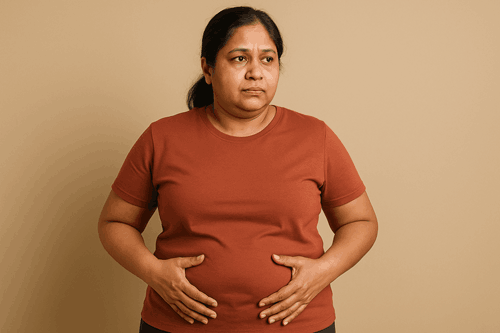
What Is Insulin Resistance in Simple Words?
Insulin is a hormone that helps move sugar from the blood into the body’s cells for energy. After you eat rice, roti, poha, sweets, fruits, bread or any carbohydrate-rich food, your blood sugar rises. Insulin helps manage this sugar.
In insulin resistance, the body’s cells do not respond to insulin properly. So the pancreas makes more insulin to control blood sugar. This can keep sugar levels normal for some time, but insulin levels remain high.
High insulin makes fat loss harder because insulin is also a storage hormone. When insulin stays high too often, the body becomes more likely to store fat, especially around the belly.
Why Indian Women Are More Vulnerable
Indian women can develop insulin resistance even at lower body weight compared to some other populations. Belly fat, low muscle mass and carb-heavy meals increase the risk.
Many Indian women also eat after everyone else, skip protein, snack on tea-biscuit combinations, sleep late, manage household stress and do less strength training. Even working women may sit for long hours and then handle home responsibilities without proper rest.
Hormonal conditions like PCOS can make insulin resistance more common. Pregnancy-related weight gain, gestational diabetes history, menopause and thyroid problems can also make weight loss harder.
This is why two women may follow the same diet, but their results can be very different.
Why Insulin Resistance Slows Weight Loss
When insulin levels remain high, the body gets the message to store energy. Fat burning becomes slower. Even if you reduce food quantity, the body may hold on to fat more stubbornly.
Insulin resistance also increases hunger and cravings. You may feel satisfied for a short time after eating, but soon crave something sweet, salty or crunchy. This is not always emotional eating. It may be linked to blood sugar swings.
Another issue is fatigue. If cells are not using glucose properly, you may feel tired even after eating. This reduces motivation to walk, exercise or cook healthy meals.
Belly Fat Becomes Stubborn
One of the clearest signs of insulin resistance is stubborn belly fat. The arms and face may look normal, but the waist keeps increasing. Saree blouses, jeans, kurtas and leggings start feeling tight around the stomach.
Belly fat is not only a cosmetic issue. It is metabolically active and linked with higher risk of diabetes, fatty liver, high triglycerides, PCOS symptoms and heart problems.
For Indian women, waist size is often a better warning sign than weight alone. A woman may not look very overweight, but if belly fat is high, insulin resistance may still be present.
Cravings Become Stronger
Insulin resistance can create a cycle of cravings. You eat a carb-heavy meal like poha, paratha, white rice, bread, noodles or biscuits. Blood sugar rises. Insulin rises. Later, blood sugar may drop, and the body asks for more quick energy. This leads to sweet cravings, tea cravings, chocolate cravings or the urge to eat namkeen.
This is why many women feel they can control food during the morning but lose control in the evening. Evening cravings are often connected to poor breakfast, low protein, stress and blood sugar imbalance.
Skipping Meals Can Backfire
Many women skip breakfast or eat very little to lose weight. But if insulin resistance is present, long gaps followed by a large carb-heavy meal can cause stronger sugar and insulin spikes.
Skipping meals may also increase hunger later, leading to overeating at night. Some women eat very little during the day but end up eating rice, roti, snacks or sweets after dinner.
Instead of skipping meals blindly, the better strategy is balanced meals with protein, fibre and controlled carbs.
Low Protein Makes the Problem Worse
Indian women often eat less protein than required. Breakfast may be tea and toast. Lunch may be roti-sabzi. Dinner may be rice-dal or khichdi. These meals can be comforting, but if protein is too low, hunger returns quickly.
Protein helps control cravings, supports muscle and improves fullness. Muscle is important because it helps the body use glucose better. Low muscle mass makes insulin resistance harder to manage.
Good Indian protein options include dal, chana, rajma, sprouts, curd, paneer in moderation, tofu, soy chunks, sattu, besan chilla, moong dal chilla, eggs, fish and chicken.
PCOS and Insulin Resistance
PCOS and insulin resistance are closely connected in many women. Women with PCOS may struggle with irregular periods, acne, facial hair, hair fall, weight gain and difficulty losing weight.
In PCOS, high insulin can increase androgen hormones, which may worsen symptoms. Losing weight becomes difficult, but even modest fat loss can improve cycles and energy in many women.
The focus should not be crash dieting. PCOS-friendly weight loss needs regular meals, strength training, enough protein, better sleep and reduced sugar.
Thyroid and Insulin Resistance Can Overlap
Many Indian women with weight issues also check thyroid levels. Hypothyroidism can slow metabolism and cause tiredness, but not every weight-loss problem is only thyroid.
Sometimes thyroid levels are controlled with medicine, yet weight loss remains difficult because insulin resistance, poor sleep, stress, low protein and low activity are still present.
If you have thyroid issues and stubborn belly fat, discuss fasting insulin, HbA1c, lipid profile, liver health and PCOS symptoms with your doctor if needed.
Best Diet Approach for Indian Women
The best diet for insulin resistance is not a fancy imported diet. It is a balanced Indian plate with fewer refined carbs, more protein, more vegetables and controlled portions.
Use the plate method. Half the plate should be vegetables or salad. One quarter should be protein. The remaining quarter should be carbs like roti, rice, millet, dalia, oats, poha or idli.
This method prevents the common mistake of filling most of the plate with rice or roti and adding only a small spoon of sabzi.
Choose Carbs Smartly
Carbs are not the enemy, but carb quality and quantity matter. White rice, maida, bread, biscuits, noodles, sweets and sugary drinks can worsen insulin spikes when eaten often.
Better options include whole wheat roti, millet roti, dalia, oats, brown rice, hand-pounded rice, barley, quinoa, vegetable poha, idli with sambar and dosa with protein-rich filling.
If you eat rice, keep the portion small and combine it with dal, sabzi, salad and curd. If you eat roti, avoid eating four rotis with very little protein. Two rotis with dal, vegetables and curd may work better.
Build a Better Breakfast
Breakfast decides cravings for the rest of the day. Tea and biscuits may feel light, but they can trigger hunger soon.
Better breakfast options include besan chilla with curd, moong dal chilla, vegetable oats, dalia, sprouts chaat, egg bhurji with roti, paneer-stuffed cheela, idli with sambar, sattu drink without sugar or curd with nuts and fruit.
A protein-rich breakfast can reduce mid-morning hunger and evening cravings.
Strength Training Is Very Important
Walking is excellent, but Indian women with insulin resistance should also include strength training. Muscle helps improve insulin sensitivity. More muscle means the body can handle glucose better.
Strength training does not mean becoming bulky. It can include squats, wall push-ups, lunges, resistance bands, light dumbbells, yoga strength poses or bodyweight exercises at home.
Start with two to three days a week. Even 20 minutes is useful if done consistently.
Walk After Meals
A short walk after meals can help reduce post-meal sugar spikes. This is especially useful after lunch or dinner.
You do not need a gym for this. Walk inside the house, on the terrace, in the lane or around your building. Even 10–15 minutes after meals can support better glucose control.
For women who cannot take out one long exercise session, short walks throughout the day are practical.
Sleep and Stress Affect Weight Loss
Poor sleep increases hunger hormones, cravings and insulin resistance. Stress raises cortisol, which can make belly fat more stubborn.
Many women sleep late after finishing household work, scrolling the phone or managing children’s routines. Over time, this affects metabolism.
Try to sleep earlier, keep dinner lighter, reduce late-night snacking and take short breaks during the day. Deep breathing, prayer, journaling, music or quiet walking can help reduce stress eating.
Avoid Extreme Diets
Keto, liquid diets, fruit-only diets and very low-calorie plans may give quick results at first, but many women cannot continue them. Once normal eating returns, weight may come back.
Insulin resistance improves best with sustainable habits. You need a diet you can follow during office days, family meals, periods, festivals and travel.
A simple rule: do not follow a diet that you cannot imagine doing for at least six months.
Tests That May Help
If weight loss is very difficult despite effort, speak to a doctor. Useful tests may include fasting blood sugar, fasting insulin, HbA1c, lipid profile, thyroid profile, liver function, vitamin D, B12 and PCOS-related hormone tests when symptoms are present.
Do not self-diagnose only through symptoms. Proper testing helps you understand what is happening inside the body.
Practical Daily Routine
Start with a protein-rich breakfast. Reduce sugar in tea. Eat balanced lunch with vegetables, protein and controlled carbs. Walk after meals. Add strength training three times a week. Keep dinner light. Sleep on time. Avoid frequent snacking.
This routine looks simple, but it directly targets insulin resistance. Consistency matters more than perfection.
FAQs
Q1. Can insulin resistance stop weight loss completely?
It may not stop weight loss completely, but it can make weight loss slower and harder. High insulin levels can increase hunger, cravings and belly fat storage. With the right diet, exercise, sleep and medical guidance, weight loss is still possible.
Q2. What is the best exercise for insulin resistance in women?
A combination of brisk walking and strength training works best. Walking helps glucose control, while strength training builds muscle and improves insulin sensitivity. Start with 30 minutes of walking and two to three strength sessions per week.
Q3. Is rice bad for insulin resistance?
Rice is not completely bad, but large portions of white rice can cause sugar and insulin spikes. If you eat rice, keep the portion small and add dal, vegetables, salad and protein. Brown rice or hand-pounded rice may be better for some women.
Q4. Can PCOS weight gain improve by reducing insulin resistance?
Yes, in many women with PCOS, improving insulin resistance can help with weight, cravings, periods and energy levels. A balanced diet, protein-rich meals, regular exercise, strength training and better sleep can support improvement.
 Subhash Kumar