 By Saurav Mehra
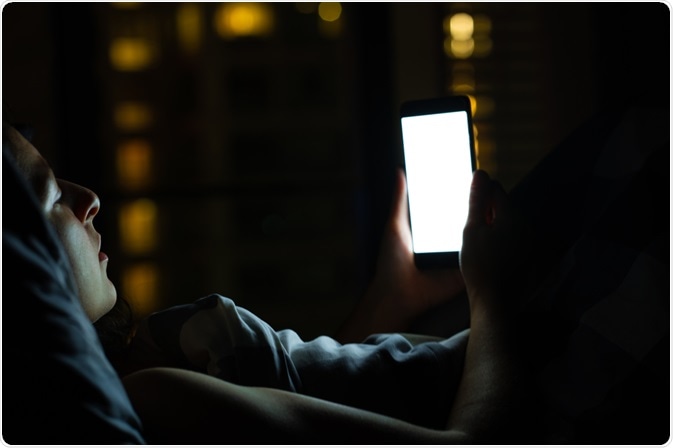
 In today’s Indian homes, bedtime no longer means switching off the lights and sleeping. For many people, it means scrolling reels, watching OTT episodes, replying to WhatsApp messages, checking office emails, shopping online, studying from YouTube, playing games or reading news in bed. The body may be tired, but the mind stays awake. One video becomes ten, one message becomes a long chat, and suddenly it is 1:30 am. Then morning comes with heaviness, irritation, headache, low focus and the promise: “Aaj jaldi so jaunga.” But the same cycle repeats again.
This is not just a discipline problem. Screens can disturb the body’s natural sleep system. The brain depends on darkness to understand that night has arrived. When bright screens stay close to the eyes late at night, especially mobile phones and laptops, they can interfere with melatonin, the hormone that helps the body prepare for sleep. Along with this, emotional content, office stress, gaming excitement and endless scrolling keep the brain alert when it should be slowing down.
For Indian students, working professionals, homemakers, night-shift workers and even teenagers, screen-related insomnia is becoming a serious lifestyle issue. The good news is that sleep can often improve when screen habits are corrected step by step. You do not have to throw away your phone. You need to train your evening routine so your brain gets the right signal at the right time.
What Is Melatonin?
Melatonin is a hormone made by the brain when darkness increases. It helps signal to the body that it is time to sleep. It does not work like a sleeping pill, but it prepares the body for rest by supporting the natural sleep-wake cycle.
Normally, melatonin starts rising in the evening, stays higher during the night and falls in the morning when light appears. This rhythm helps you feel sleepy at night and alert during the day.
When this rhythm gets disturbed, you may feel sleepy late, wake up tired, struggle to sleep early or feel active at midnight even when your body needs rest.
How Screen Light Disturbs Melatonin
Mobile phones, laptops, tablets and TVs emit light, including blue wavelengths. Blue light is similar to the alerting part of daylight. When your eyes receive this light at night, the brain may think it is not fully dark yet.
This can delay melatonin release. If melatonin rises late, sleep also gets delayed. You may lie in bed feeling tired but not sleepy. Or you may keep scrolling because sleep does not come naturally.
The effect is stronger when the screen is bright, close to the face and used for long periods before bed. A mobile phone held near the eyes in a dark room can be more disturbing than a dim TV watched from a distance.
Screen Time Is Not Only About Blue Light
Many people think using night mode solves the problem completely. Night mode can reduce blue light exposure, but it does not remove all sleep disruption.
The content itself matters. A thriller web series, emotional reel, office email, online argument, cricket highlights, gaming match or stock-market update can keep the brain alert. Even if the screen is dim, the mind may become active.
Social media is especially powerful because it has no natural ending. The brain keeps expecting something new. This continuous stimulation delays mental relaxation and makes sleep harder.
Why Bedtime Scrolling Becomes Addictive
Scrolling feels relaxing at first because it distracts the mind from stress. After a long day, the phone becomes an easy escape. You do not need effort. You just lie down and swipe.
But the brain gets quick rewards from new content. Every notification, reel or message gives a small hit of excitement. This makes it difficult to stop. The body may be exhausted, but the mind keeps asking for one more video.
Over time, the bed becomes linked with phone use instead of sleep. This weakens the natural sleep association. The brain starts treating bedtime as entertainment time.
How Screen Time Leads to Chronic Insomnia
Occasional late-night phone use may not harm everyone. But when screens are used late every night, the sleep cycle slowly shifts.
You may start sleeping at 12:30 am instead of 10:30 pm. Then 1:00 am becomes normal. Morning wake-up remains fixed due to school, office or household work, so sleep duration reduces. After a few weeks, the body becomes sleep-deprived.
This can turn into chronic insomnia, where you struggle to fall asleep, wake up often, wake too early or feel unrefreshed even after spending enough time in bed.
The more you worry about sleep, the worse it can become. You may check the time again and again, feel anxious and return to the phone for distraction, repeating the cycle.
Effects of Poor Sleep on Daily Life
Poor sleep does not only cause yawning. It affects the full body.
You may feel tired, irritable, forgetful and less focused. Work productivity may reduce. Students may struggle with concentration. Appetite may increase, especially cravings for sugar, tea, coffee and fried snacks.
Chronic poor sleep can worsen weight gain, insulin resistance, blood pressure, acidity, anxiety and mood issues. It can also reduce immunity and recovery.
In Indian families, people often treat sleep as optional. But sleep is not a luxury. It is basic body repair.
Screen Time and Students
Students are highly affected because studies, entertainment and social life all happen on screens. Online classes, YouTube lectures, PDFs, chats, games and reels can stretch late into the night.
Many students say they study better at night, but after midnight, focus often reduces and screen fatigue increases. Late-night study with bright screens can delay sleep, and poor sleep reduces memory and learning the next day.
Students should keep a fixed digital cut-off time before sleep. If late study is unavoidable, use printed notes or audio revision when possible, dim brightness and avoid mixing study with social media.
Screen Time and Corporate Workers
Working professionals often carry office stress into bed through email, Slack, WhatsApp groups and laptop work. One late message can restart the brain’s work mode.
This is one of the biggest causes of sleep trouble in corporate life. Even if the work takes only 10 minutes, the mind may remain active for an hour.
Create a work shutdown routine. Close laptop, write next day’s tasks, silence non-urgent notifications and keep work apps away from bedtime. Your brain needs a clear signal that office time is over.
Screen Time and Children
Children are even more sensitive to routines. If they watch cartoons, gaming videos or mobile content before sleep, they may become overactive, cranky or unable to sleep on time.
Parents should avoid giving phones in bed as a sleep tool. It may keep the child quiet temporarily, but it can disturb sleep habits.
Create a screen-free bedtime routine with story reading, dim lights, soft music, prayer, gentle talking or quiet play. Children sleep better when the evening pattern is predictable.
Night Mode Helps, But It Is Not Enough
Night mode, blue-light filters and dark mode can reduce some light exposure. They are useful, but they are not a complete solution.
If you use night mode but continue scrolling for two hours, watching emotional content or replying to office messages, sleep may still suffer.
Use technology settings as support, not as permission for unlimited night screen time. The most effective step is reducing screen use before sleep.
Best Time to Stop Screen Use Before Bed
A practical goal is to stop bright and stimulating screen use at least 60 minutes before sleeping. If that feels impossible, start with 30 minutes and slowly increase.
This screen-free window helps melatonin rise and gives the brain time to slow down. During this time, avoid phone, laptop, tablet and intense TV watching.
If your work or study requires screen use late at night, reduce brightness, use night mode, sit farther from the screen and avoid social media after work is done.
Build a Screen-Free Bedtime Routine
Your body needs replacement habits. If you simply remove the phone, the mind may feel restless.
Try a simple routine: dim lights, wash face, change into sleep clothes, keep phone away, read a light book, do slow breathing, stretch gently, listen to calm music or write tomorrow’s to-do list.
This routine tells the brain that the day is ending. Repeat it daily so it becomes automatic.
Keep the Phone Away From the Bed
Keeping the phone next to the pillow is a big problem. Even if you plan not to use it, one notification can pull you back.
Keep the phone across the room or outside the bedroom if possible. Use a basic alarm clock instead of phone alarm. If you must keep the phone, put it on silent or sleep mode and place it away from arm’s reach.
This small distance creates a powerful barrier against unconscious scrolling.
Get Morning Sunlight
Morning light helps reset the body clock. If you get bright light in the morning, your brain understands daytime better and melatonin timing at night may improve.
Step outside for 10–20 minutes in the morning if possible. Walk on the terrace, balcony, lane or garden. Natural light is stronger than indoor light, even on cloudy days.
This is especially useful for people who sleep late and wake up groggy.
Reduce Evening Caffeine
Screen time and caffeine often work together to disturb sleep. Tea, coffee, cola, energy drinks and even strong green tea can delay sleep in sensitive people.
Many Indians drink evening tea around 6–8 pm. If insomnia is a problem, try reducing caffeine after late afternoon. Also reduce sugar with tea because sugar can increase cravings and late-night snacking.
Replace late tea with warm water, herbal tea without caffeine or plain milk if it suits you.
Avoid Using Phone When You Wake at Night
Many people wake at 3 am, check the phone “just for time,” and then start scrolling. This teaches the brain that waking at night brings entertainment.
If you wake up, avoid checking the phone. Keep the room dim. Try slow breathing or simply rest quietly. If you cannot sleep after some time, sit in low light and read something boring or calming.
Do not bring bright screen stimulation into a night waking.
When Screen Control Is Not Enough
If you have insomnia for weeks or months despite improving screen habits, consult a doctor or sleep specialist. Chronic insomnia may be linked with anxiety, depression, thyroid problems, sleep apnea, restless legs, pain, medicines or other health issues.
Do not keep taking sleeping pills or melatonin supplements without medical advice. Melatonin can help some people in specific situations, but it is not a replacement for good sleep habits.
Practical 7-Day Screen Reset Plan
For one week, stop screen use 30 minutes before bed. Keep the phone away from the pillow. Use night mode after sunset. Avoid office messages after your work cut-off. Get morning sunlight. Reduce evening caffeine. Sleep and wake up at the same time as much as possible.
After one week, increase the screen-free window to 45–60 minutes. Your sleep may not become perfect immediately, but your body will start receiving clearer signals.
FAQs
Q1. Does screen time really reduce melatonin?
Yes, bright screen light, especially blue light at night, can delay melatonin release and disturb the body’s sleep signal. The effect is stronger when screens are used close to the eyes before bedtime.
Q2. Is night mode enough to prevent insomnia?
Night mode helps reduce blue light, but it is not enough if you keep scrolling, gaming or watching stimulating content late at night. Reducing screen time before sleep is more effective.
Q3. How long before bed should I stop using my phone?
Try to stop phone use at least 60 minutes before sleep. If that feels difficult, start with 30 minutes and slowly increase. Keep the phone away from the bed to avoid automatic scrolling.
Q4. Can chronic insomnia be cured by reducing screen time?
Reducing screen time can greatly improve sleep for many people, especially if late-night phone use is the main trigger. But chronic insomnia may have other causes too, so medical advice is important if sleep problems continue.
 Subhash Kumar