 By Saurav Mehra
 A fatty liver report can scare anyone. You go for a routine ultrasound because of acidity, stomach heaviness, annual check-up, insurance test or mild pain on the right side, and suddenly the report says “Grade 1 fatty liver.” The first thought is usually panic: Is my liver damaged? Is this serious? Will it become cirrhosis? Do I need medicine? Can I eat rice, roti, ghee or non-veg now?
This situation is now very common in Indian adults. Many people are diagnosed with fatty liver even when they do not drink alcohol, do not feel sick and do not look extremely overweight. The reason is our changing lifestyle—more sitting, less walking, high-carb meals, sugary tea, fried snacks, late dinners, belly fat, stress, poor sleep, diabetes, prediabetes and high triglycerides. The liver quietly carries the burden until a scan catches the early sign.
The good news is that Grade 1 fatty liver is usually the mildest stage and can often improve with timely lifestyle changes. The worrying part is that many people ignore it because they feel normal. Grade 1 is not a medical emergency for most people, but it is definitely a warning signal. If you act now, you may prevent it from becoming Grade 2, Grade 3, inflammation or long-term liver damage.
What Is Fatty Liver Grade 1?
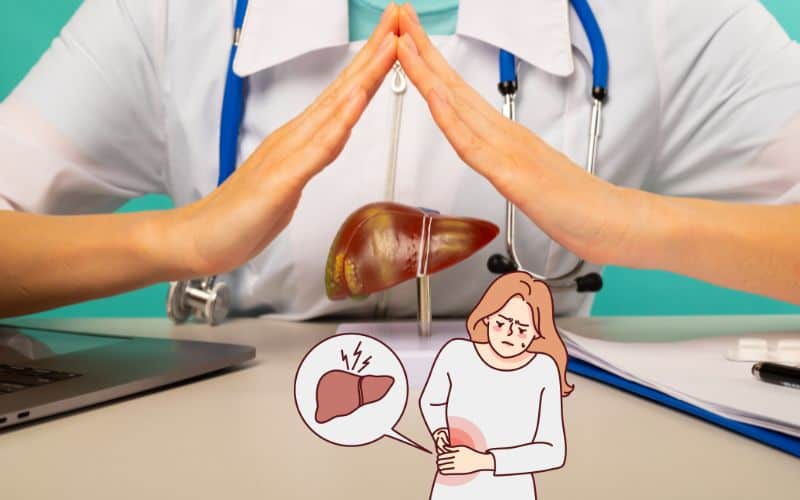
Fatty liver means extra fat has started collecting inside liver cells. Grade 1 fatty liver means this fat build-up is mild. On ultrasound, the liver may look slightly brighter than normal, but liver structure and function may still be mostly preserved.
In simple language, Grade 1 fatty liver is the early stage. It does not usually mean severe liver damage. Many people with Grade 1 fatty liver have normal liver enzymes and no symptoms. But the report shows that your liver is under metabolic stress.
Doctors may call it fatty liver, hepatic steatosis, NAFLD or MASLD depending on the case. For patients, the practical meaning is this: your liver has started storing more fat than it should, and your lifestyle and health markers need attention.
Is Fatty Liver Grade 1 Dangerous?
Grade 1 fatty liver is usually not immediately dangerous, but ignoring it can be dangerous. Think of it like an early warning light on a vehicle dashboard. The car may still run smoothly, but something needs correction.
If the cause continues—high sugar, excess calories, alcohol, obesity, insulin resistance, diabetes or poor diet—the fat can increase. Over time, some people may develop liver inflammation, fibrosis, cirrhosis or serious liver disease.
Not everyone with Grade 1 fatty liver will progress. Many people reverse or control it with diet, weight loss, exercise and better metabolic health. The danger depends on your overall risk: weight, waist size, sugar levels, cholesterol, alcohol intake, liver enzymes and family history.
Why Grade 1 Fatty Liver Happens
Fatty liver is not caused only by eating oily food. This is a common misunderstanding. Extra liver fat can come from excess calories, sugar, refined carbs and poor metabolism.
In Indian diets, the biggest contributors are often large portions of rice or roti, frequent sweets, sugary tea, biscuits, cold drinks, packaged juices, fried snacks, late-night meals and low protein intake. When the body gets more energy than it uses, the liver may start storing fat.
Other common causes include belly fat, type 2 diabetes, prediabetes, high triglycerides, PCOS, hypothyroidism, alcohol use, certain medicines, poor sleep and low physical activity.
Common Symptoms of Fatty Liver Grade 1
Most people with Grade 1 fatty liver have no clear symptoms. That is why it is often found accidentally during ultrasound.
Some people may feel tiredness, heaviness after meals, bloating, mild discomfort on the right side of the abdomen, poor digestion or low energy. But these symptoms are not specific to fatty liver. They can also happen due to acidity, gas, gallbladder issues, poor sleep, stress or vitamin deficiencies.
Do not judge fatty liver only by symptoms. A person can feel normal and still have fatty liver. Another person may feel tired due to a different reason. Reports and doctor evaluation matter.
How Is Grade 1 Fatty Liver Diagnosed?
Grade 1 fatty liver is commonly detected through abdominal ultrasound. The scan gives an idea of fat build-up in the liver. However, ultrasound cannot always show the full seriousness of liver health.
Doctors may also advise blood tests such as liver function test, fasting sugar, HbA1c, lipid profile, thyroid test and sometimes additional liver markers. If risk is higher, tests like FibroScan may be suggested to check liver stiffness and fat level more clearly.
Do not depend only on the ultrasound line. Ask your doctor what your liver enzymes, sugar, cholesterol and weight-related risks show.
Grade 1 vs Grade 2 vs Grade 3 Fatty Liver
Grade 1 means mild fat build-up. Grade 2 means moderate fat accumulation. Grade 3 means severe fat accumulation. As the grade increases, the risk of inflammation and liver damage may rise.
But grading alone does not tell everything. A person with Grade 1 fatty liver but uncontrolled diabetes and high triglycerides may need serious action. Another person with Grade 2 but strong lifestyle changes may improve well.
The goal should be to stop progression early instead of waiting for the grade to increase.
Can Fatty Liver Grade 1 Be Reversed?
Yes, Grade 1 fatty liver can often improve and may reverse, especially when detected early. The liver has a strong ability to recover if the cause is corrected.
For many people, losing excess weight, reducing belly fat, cutting sugar, improving diet, walking daily and controlling diabetes or cholesterol can reduce liver fat. Even modest weight loss can help. More sustained weight loss may be needed if inflammation or fibrosis risk is present.
The key is consistency. A 7-day detox drink will not fix fatty liver. A 3-month disciplined routine can make a real difference.
Best Indian Diet Approach for Grade 1 Fatty Liver
The best diet is not extreme. You do not need to eat only boiled food or stop every favourite dish. You need a balanced Indian plate.
Half your plate should contain vegetables or salad. Use seasonal options like lauki, tinda, bhindi, beans, cabbage, cauliflower, cucumber, carrot, capsicum, spinach, methi, pumpkin and brinjal.
One quarter should contain protein such as dal, chana, rajma, sprouts, curd, paneer in moderation, tofu, eggs, fish or chicken.
The remaining quarter can contain carbs like roti, rice, millet, dalia, oats, poha, idli or dosa in controlled quantity.
This plate method reduces excess carbohydrates without making you feel deprived.
Reduce Sugar First
Sugar is one of the biggest triggers for liver fat. This includes sweets, cold drinks, packaged juices, sweet tea, biscuits, cakes, chocolates, flavoured yogurt and sugary breakfast cereals.
Many Indians do not eat dessert daily but take sugar through tea two to four times a day. Tea with biscuits is one of the most common hidden problems.
Start by reducing sugar in tea. Replace cold drinks and packaged juices with water, lemon water without sugar, plain chaas or unsweetened drinks. Eat whole fruit instead of fruit juice.
Control Rice and Roti Portions
Rice and roti are not banned, but portions matter. A large plate of rice with little dal and sabzi can worsen fatty liver over time. Four or five rotis with very little protein can also overload the meal.
If eating rice, keep it to a small portion and add dal, vegetables and salad. If eating roti, choose two rotis with dal, curd and sabzi instead of eating only roti-sabzi in large quantity.
Millets, dalia, oats, brown rice and hand-pounded rice can be useful, but even these should be eaten in controlled portions.
Increase Protein in Daily Meals
Low protein intake is very common in Indian diets. Protein helps control hunger, supports muscle and improves weight management.
Good options include moong dal chilla, besan chilla, sprouts, sattu, curd, dal, chana, rajma, lobia, tofu, paneer in moderation, eggs, fish and chicken.
Try to include protein in breakfast. Tea-biscuit breakfast is poor for fatty liver. A better breakfast could be besan chilla, vegetable oats, dalia, sprouts chaat, idli with sambar, egg bhurji or curd with nuts and fruit.
Avoid Alcohol
If you have fatty liver, alcohol should be avoided or strictly limited as per medical advice. Alcohol adds direct stress to the liver and can worsen fatty liver progression.
Even weekend drinking can be harmful if the liver is already fatty, especially when combined with fried snacks, late dinner and sugary mixers.
If your report says fatty liver, be honest with your doctor about alcohol intake. Hiding it only delays the right treatment.
Exercise Is Essential
Diet alone helps, but exercise speeds up improvement. Walking, cycling, swimming, yoga, strength training and daily movement all support liver health.
Aim for at least 30 minutes of brisk walking on most days. Add strength training two to three times a week because muscle improves insulin sensitivity and helps the body use energy better.
A short walk after meals is especially useful for people with fatty liver, prediabetes or high triglycerides.
Sleep and Stress Also Matter
Poor sleep and chronic stress can worsen cravings, belly fat and insulin resistance. Many people eat well during the day but snack late at night due to stress or tiredness.
Try to sleep on time, keep dinner lighter and avoid heavy late-night meals. Reduce screen time before bed. Manage stress through walking, breathing, prayer, yoga, journaling or quiet time.
Fatty liver is not only a food problem. It is a lifestyle signal.
Medicines and Supplements: Are They Needed?
There is no single magic tablet for Grade 1 fatty liver for everyone. Treatment depends on the cause. If you have diabetes, high triglycerides, obesity, thyroid issues or cholesterol problems, your doctor may treat those conditions.
Do not take random “liver detox” powders, herbal capsules or high-dose supplements without medical advice. Some supplements can harm the liver instead of helping it.
The safest medicine for Grade 1 fatty liver is often disciplined lifestyle correction, monitored through follow-up tests.
When Should You Worry More?
You should take Grade 1 fatty liver more seriously if liver enzymes are high, diabetes is present, triglycerides are high, you drink alcohol, you have obesity, there is family history of liver disease, or the report mentions enlarged liver.
Also see a doctor if you have yellow eyes, swelling in legs, severe weakness, vomiting blood, black stools, unexplained weight loss or persistent abdominal pain. These are not typical simple Grade 1 signs and need medical attention.
How Often Should You Repeat Tests?
Your doctor may advise follow-up after 3–6 months depending on your condition. Repeat tests may include liver function test, ultrasound, lipid profile, sugar tests or FibroScan if needed.
Do not repeat ultrasound every few weeks. Fatty liver improves gradually. Focus on routine, then check progress at the right time.
Practical Daily Routine for Grade 1 Fatty Liver
Start the day with a protein-rich breakfast. Reduce sugar in tea. Eat vegetables with lunch and dinner. Keep rice or roti portions controlled. Avoid cold drinks, packaged juices, sweets and fried snacks. Walk daily. Finish dinner early. Sleep well. Avoid alcohol. Monitor sugar, cholesterol and liver tests as advised.
These simple steps can protect your liver better than any short-term detox challenge.
FAQs
Q1. Is Grade 1 fatty liver serious?
Grade 1 fatty liver is usually mild and not immediately dangerous, but it should not be ignored. It is an early warning that fat has started building up in the liver. With lifestyle changes, it can often improve.
Q2. Can Grade 1 fatty liver become normal again?
Yes, Grade 1 fatty liver can often reverse with weight control, better diet, regular exercise, reduced sugar, alcohol avoidance and improved diabetes or cholesterol control. Consistency for several months is important.
Q3. What foods should I avoid in Grade 1 fatty liver?
Avoid or reduce sugary tea, sweets, cold drinks, packaged juices, biscuits, maida foods, fried snacks, excess rice, excess roti, alcohol and oily restaurant meals. Focus more on vegetables, protein, whole grains and home-cooked food.
Q4. Does Grade 1 fatty liver need medicine?
Not always. Many people improve with lifestyle changes alone. But if you have diabetes, high cholesterol, high liver enzymes, thyroid issues or other risks, your doctor may prescribe treatment for those conditions. Do not self-medicate with liver supplements.
 Subhash Kumar