 By Subhash Kumar
 In Indian homes, cooked rice is one of the most common leftovers. A little extra rice after dinner becomes lemon rice the next morning, curd rice for lunch, fried rice for tiffin, or quick khichdi when nobody wants to cook from scratch. It feels wasteful to throw rice away, especially when food prices are rising and most families try to manage the kitchen smartly.
But cooked rice needs more care than many people think. It may look plain, simple and harmless, but if it is cooled slowly, kept outside for too long, stored badly or reheated again and again, it can cause food poisoning. This is why the question “How long can cooked rice stay in the fridge?” is not just a kitchen doubt—it is a real food safety issue for Indian families, students, hostel residents, working people and anyone who meal-preps.
The practical answer is simple: cooked rice is best eaten within 1–2 days for maximum freshness, and it should generally not be kept in the refrigerator for more than 3–4 days. But the real safety depends on how quickly you cool it, how cold your fridge is, what container you use and how you reheat it.
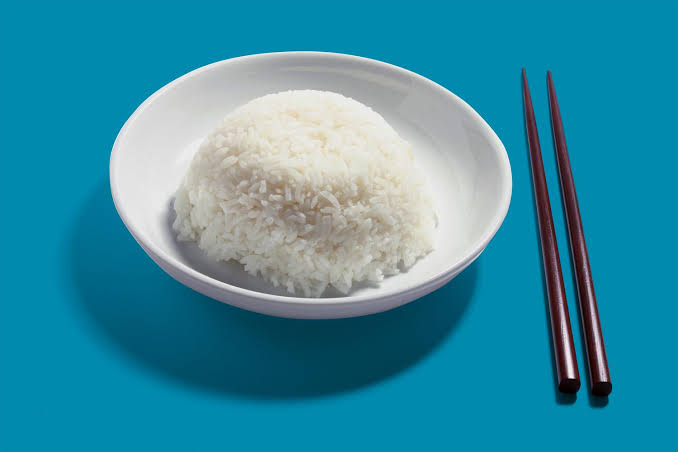
Why Cooked Rice Needs Special Care
Rice can contain spores of a bacteria called Bacillus cereus. These spores may survive normal cooking. If cooked rice is left at room temperature for too long, the spores can grow and produce toxins that may cause vomiting, stomach pain or diarrhoea.
The tricky part is that reheating may not always make badly stored rice safe. If toxins have already formed, heating the rice again may not fully solve the problem. That is why safe storage starts immediately after cooking, not just before eating.
In India, this is even more important because kitchens can be warm, especially in summer. Rice kept outside for hours after lunch or dinner can quickly move into the risky zone.
Safe Refrigerator Storage Time for Cooked Rice
Cooked rice can usually be stored in the refrigerator for up to 3–4 days if it has been cooled quickly and stored properly. However, for best taste and safety, try to finish it within 24–48 hours.
If rice has been mixed with curd, vegetables, egg, chicken, paneer, seafood, dal or gravy, it may spoil faster than plain rice. Such rice dishes are better consumed within 1–2 days.
If rice smells sour, feels slimy, looks unusually wet, has mould, or tastes odd, throw it away. Do not try to “adjust” it by adding masala or frying it.
Do Not Leave Cooked Rice Outside for Too Long
One of the biggest mistakes is leaving cooked rice in the cooker or pot for many hours. Many people cook rice in the morning and keep it outside until lunch or dinner. This may feel normal, but it is risky in hot weather.
As a safe habit, cool and refrigerate cooked rice as soon as possible. Ideally, do not leave cooked rice at room temperature for more than 1–2 hours. In Indian summer, when the kitchen is hot, try to refrigerate it even sooner.
If rice has been sitting outside overnight, do not eat it the next morning. Even if it smells fine, it may not be safe.
How to Cool Cooked Rice Quickly
Do not put a large hot vessel of rice directly into the fridge. A big mass of hot rice cools slowly from the centre, giving bacteria more time to grow.
Instead, spread the rice on a clean plate or tray for a short time so steam can escape. You can also divide it into small shallow containers. Once it stops steaming heavily, close the container and keep it in the refrigerator.
The aim is to cool rice quickly without leaving it open for hours. Do not keep it under a fan for too long where dust or insects can fall on it.
Best Container for Storing Cooked Rice
Use a clean, dry, airtight container. Stainless steel, glass or good-quality food-grade plastic containers work well. Avoid storing rice in the pressure cooker, aluminium pot or open bowl.
Airtight storage helps prevent the rice from drying out, absorbing fridge smells or getting contaminated by other foods. If you store rice loosely, it may become hard, stale or unsafe faster.
Always use a clean spoon to remove rice. Do not put a used spoon back into the container, especially if it has touched curry, curd or saliva.
What Temperature Should the Fridge Be?
Your refrigerator should be cold enough to slow bacterial growth. Many Indian homes keep the fridge overloaded, or the door is opened again and again during the day. This affects cooling.
Keep cooked rice in the main refrigerator section, not in the door. The door area is warmer because it opens frequently. Place rice in the middle or upper shelf where temperature is more stable.
If your fridge is not cooling properly, do not store cooked rice for 3–4 days. Finish it earlier or discard it.
Can You Freeze Cooked Rice?
Yes, cooked rice can be frozen if you want to store it for longer. Freezing is a good option for meal-prep, bachelors, hostel students and busy families.
Cool the rice quickly, pack it in small portions and freeze it in airtight containers or freezer-safe bags. Small portions are better because you can reheat only what you need.
Frozen rice is best used within 1–2 months for good taste and texture, though it may remain safe longer if kept continuously frozen. For Indian meals, frozen rice works well for fried rice, lemon rice, curd rice after reheating and cooling slightly, pulao-style dishes or quick dal-rice bowls.
How to Reheat Refrigerated Rice Safely
Reheat only the portion you plan to eat. Do not reheat the full container again and again.
Rice should be heated until it is steaming hot throughout. If using a microwave, sprinkle a little water, cover loosely and stir in between so heating is even. If reheating on a pan, add a spoon of water, cover and heat properly.
For fried rice, make sure the rice becomes hot all the way through, not just warm on the outside. Avoid quick half-heating because uneven reheating can leave cold spots.
Can You Reheat Rice More Than Once?
It is better to reheat cooked rice only once. Repeated cooling and reheating increases food safety risk and also makes rice dry, hard and less tasty.
If you stored a big batch, divide it into small containers before refrigerating. This way, you only take out one portion at a time.
For example, if you have leftover rice after dinner, pack it into two small boxes—one for next day lunch and one for evening fried rice. This is safer than opening and reheating one big container repeatedly.
How to Know If Cooked Rice Has Gone Bad
Spoiled rice may smell sour, fermented or stale. It may feel sticky, slimy or unusually wet. Sometimes you may see mould or colour change. If rice has a strange taste, stop eating immediately.
But remember, unsafe rice may not always smell bad. That is why time and storage method matter. If rice was left outside for many hours, do not depend only on smell.
The safest rule is: when in doubt, throw it out.
Special Care for Curd Rice, Fried Rice and Biryani
Plain cooked rice is easier to store than mixed rice dishes.
Curd rice should be refrigerated quickly because curd can become sour and watery if left outside. Eat it within 24 hours for best taste.
Fried rice often contains vegetables, egg, chicken, sauces or oil. These ingredients can spoil faster, so store it properly and eat within 1–2 days.
Biryani contains rice, meat or paneer, fried onions, curd, spices and oil. It should not be kept outside for long after cooking. Refrigerate quickly and eat within 1–2 days. Reheat thoroughly before eating.
Common Mistakes Indian Homes Should Avoid
Do not leave rice overnight in the cooker. Do not store rice in an open bowl inside the fridge. Do not mix fresh hot rice with old refrigerated rice. Do not reheat the same rice multiple times. Do not pack hot rice tightly in a lunch box and keep it unrefrigerated for many hours.
Another common mistake is making fried rice from rice that was left outside too long. Frying adds flavour, but it does not guarantee safety if the rice was already unsafe.
Also avoid tasting old rice repeatedly to check if it is okay. If it looks or smells suspicious, discard it.
Safe Rice Storage Routine for Busy Indian Kitchens
Cook only the quantity you need when possible. If extra rice is cooked, spread it briefly to cool, pack it in small airtight containers and refrigerate quickly. Use refrigerated rice within 1–2 days for best quality, and do not cross 3–4 days.
Label the container with the date if you often store leftovers. This is useful in homes where many boxes are kept in the fridge and nobody remembers when the rice was cooked.
For office lunch, pack freshly cooked rice when possible. If packing leftover rice, reheat it properly in the morning and keep it hot, or carry it in a proper insulated container. Do not keep rice at room temperature for the whole day and eat it late.
Practical Safety Rule
Cooked rice can be stored safely in the refrigerator for up to 3–4 days only if it was cooled quickly and stored in a clean airtight container. For Indian weather and everyday home safety, finishing it within 1–2 days is the smarter habit.
Rice is affordable, but food poisoning is not worth the risk. Store it properly, reheat it only once and discard it if there is any doubt.
FAQs
Q1. Can I eat cooked rice after 5 days in the fridge?
It is better not to eat cooked rice after 5 days. Even if it looks normal, the risk of bacterial growth increases with time. Cooked rice is generally safer within 3–4 days, and best within 1–2 days.
Q2. Is overnight rice safe to eat?
Overnight rice is safe only if it was cooled quickly and kept in the refrigerator. Rice left outside overnight at room temperature should be discarded, especially in warm Indian weather.
Q3. Can I make fried rice from refrigerated rice?
Yes, refrigerated rice is good for fried rice if it was stored safely and used within 1–2 days. Reheat it properly while cooking and make sure it is hot throughout.
Q4. Why does cooked rice become hard in the fridge?
Rice becomes hard because the starch changes during cooling and moisture reduces. Sprinkle a little water before reheating and cover it while heating. This helps make the rice soft again.