 By Subhash Kumar
 Ask anyone observing a Navratri fast which salt sits on their kitchen counter that week, and you’ll get the same answer every time: sendha namak. It’s the only salt considered “pure” enough for religious fasting, and somewhere along the way, that reputation quietly turned into a broader health claim, that rock salt is simply better for you than the regular table salt sitting in every other Indian kitchen year-round. But is that actually true, or is it a belief that’s grown mostly out of tradition rather than genuine nutritional evidence?
This matters more than it might seem, especially with rising concerns around blood pressure, heart health, and sodium intake across Indian households. If switching your everyday salt genuinely offered meaningful health benefits, that’s worth knowing. And if it doesn’t, that’s equally worth knowing before you pay a premium for something that isn’t actually delivering what the packaging implies.
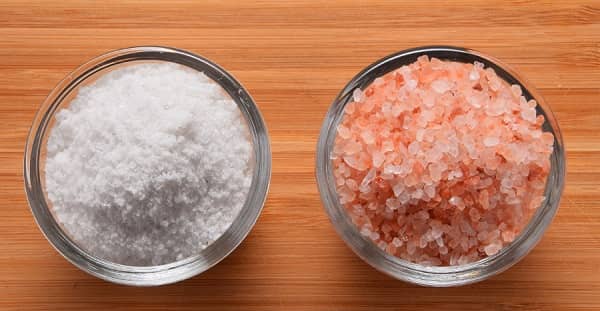
What Rock Salt Actually Is
Rock salt, called sendha namak in Hindi and known by various regional names across India, forms when ancient saltwater deposits evaporate over millions of years, leaving behind crystallised salt trapped underground. It’s mined largely unprocessed, without the industrial refining, bleaching, or additive treatment that regular table salt goes through.
This is why rock salt looks and tastes noticeably different, its crystals appear pink, off-white, or slightly purple depending on the trace minerals present, and its flavour tends to be milder and less sharply saline compared to finely powdered table salt. Table salt, by contrast, is heavily processed sodium chloride, typically fortified with iodine and treated with anti-caking agents to keep it free-flowing in humid Indian weather.
The Mineral Content Claim, and Why It’s More Modest Than It Sounds
This is genuinely where a lot of the health halo around rock salt comes from, and it’s worth examining carefully. Rock salt does contain trace amounts of minerals beyond sodium chloride, potassium, calcium, magnesium, iron, and zinc among them, some sources cite it as containing up to 84 different trace elements.
Here’s the part that often gets left out of the marketing conversation though: the actual quantities of these minerals in rock salt are genuinely minuscule. You’d need to consume an unreasonably large, and unsafe, amount of rock salt to get any meaningful nutritional benefit from these trace minerals. In practical terms, you shouldn’t rely on rock salt as a genuine source of calcium, iron, or potassium in your diet, those minerals are far more reliably obtained from actual food sources like leafy vegetables, dairy, and fruits.
Does Rock Salt Genuinely Have Less Sodium
You’ll often see this claim repeated confidently: rock salt has lower sodium content than table salt, making it gentler on blood pressure. This deserves a more careful look than most articles give it. Rock salt is still overwhelmingly composed of sodium chloride, the same basic compound as table salt. Any difference in sodium content per gram tends to be marginal rather than dramatic, and it can vary depending on the specific source and crystal size of the rock salt in question.
If you’re managing high blood pressure specifically, the meaningful factor is the total quantity of salt you’re consuming overall, not primarily which variety you’ve chosen. Switching to rock salt while continuing to salt your food heavily won’t meaningfully protect your blood pressure the way genuinely reducing your total sodium intake would.
The Iodine Gap Genuinely Matters
This is one of the most important, and most frequently underplayed, differences between the two salts. Regular table salt in India is iodised specifically because iodine deficiency was a genuine, widespread public health problem in the country for decades, leading to thyroid issues and developmental problems, particularly in children.
Rock salt does not naturally contain meaningful iodine. If you’re using rock salt as your primary, everyday cooking salt rather than an occasional fasting-specific choice, and you’re not getting adequate iodine from other dietary sources like dairy, seafood, or eggs, you’re genuinely at risk of iodine deficiency over time. This is exactly why nutritionists generally caution against making rock salt your sole, everyday salt source without paying attention to where your iodine is coming from instead.
Where Rock Salt Genuinely Does Offer an Advantage
To be fair, there are a couple of areas where rock salt’s differences are genuinely meaningful rather than overstated marketing. Since it’s unrefined, it doesn’t contain the anti-caking agents and additional processing chemicals present in most commercial table salt, which matters to some people specifically seeking minimally processed food ingredients.
Its milder, less sharply saline taste also genuinely changes how dishes taste, some people find food seasoned with rock salt tastes gentler and allows other flavours to come through more distinctly, which is partly why it’s traditionally favoured during religious fasting when the goal is often simpler, less heavily spiced food.
What About the Broader Ayurvedic and Wellness Claims
Rock salt holds a genuinely long-standing, respected place in Ayurvedic tradition, where it’s used not just as a seasoning but incorporated into various wellness practices, from bath soaks believed to support skin health to general dietary recommendations. This cultural and traditional value is real and worth respecting on its own terms.
That said, it’s worth distinguishing between traditional and cultural value, which is genuinely significant, and specific modern health claims like “supports detox” or “improves hydration” that circulate widely online without strong, direct scientific backing. Your liver and kidneys remain the body’s primary detoxification organs regardless of which salt you use, and while adequate sodium and potassium do support hydration and electrolyte balance generally, this isn’t a unique property exclusive to rock salt over other salt types.
So Which Salt Should You Actually Choose
Based on the evidence available, rock salt isn’t a dramatically healthier alternative to table salt in the way much of the marketing around it suggests, but it isn’t without any merit either. If you enjoy its milder taste, or you’re using it specifically during fasting periods for traditional reasons, there’s no genuine harm in that choice, provided you’re getting adequate iodine from other parts of your diet.
If you’re choosing a salt purely based on health optimisation, the more genuinely important factor is simply moderating your total sodium intake across your entire diet, rather than which specific salt variety you’re sprinkling on your food. For most Indian households, sticking with iodised table salt as your everyday cooking salt, while reserving rock salt for fasting or specific traditional dishes where its flavour genuinely suits the preparation, is a reasonably balanced approach.
Frequently Asked Questions
Q: Is it safe to use rock salt as my only cooking salt every single day?
A: It’s generally not recommended as your sole, everyday salt source, since rock salt lacks meaningful iodine, and relying on it exclusively over a long period could contribute to iodine deficiency unless you’re getting adequate iodine from other dietary sources like dairy or seafood.
Q: Does rock salt actually help lower blood pressure compared to table salt?
A: Not meaningfully. While rock salt may contain marginally less sodium per gram in some cases, the difference is generally too small to make a genuine difference to blood pressure. Reducing your overall total salt intake matters far more than which specific type of salt you’re using.
Q: Why is rock salt specifically used during religious fasting in India?
A: Rock salt is traditionally considered a “pure,” unprocessed form of salt in Hindu fasting customs, since it isn’t chemically refined the way table salt is, making it acceptable under traditional dietary rules observed during fasts like Navratri.
Q: Can the trace minerals in rock salt genuinely contribute to my daily nutrient intake?
A: Not meaningfully. While rock salt does contain trace amounts of minerals like calcium, iron, and potassium, the quantities present are far too small to serve as a genuine nutritional source, and you’d need to consume unsafe amounts of salt to get any measurable benefit from these trace elements.