 By Saurav Mehra
 Look up at any apartment building in Mumbai, Bengaluru, or Delhi, and you’ll spot the same thing: acres of flat, sun-baked concrete doing absolutely nothing except collecting heat and the occasional drying laundry. Meanwhile, that same city is paying premium prices for organic lettuce, fresh basil, and pesticide-free microgreens shipped in from somewhere hours away. This mismatch, empty rooftops sitting idle while fresh produce travels long distances to reach urban kitchens, is exactly the gap rooftop agriculture is stepping into, and it’s turning into genuine business rather than just a hobby for plant enthusiasts.
With India’s urban population continuing to grow and cities like Chennai already seeing residents use terrace gardens to offset rising vegetable prices, rooftop farming has moved well beyond a weekend hobby project. Startups in Bengaluru are selling hydroponic kits to apartment residents, restaurants are sourcing herbs directly from building terraces for farm-to-table menus, and urban entrepreneurs are genuinely building profitable, scalable businesses using nothing but the unused space above their heads.
Understanding Why Rooftops Genuinely Work for Farming
Before picking a specific business idea, it helps to understand what makes rooftop cultivation genuinely viable rather than just a nice concept. Rooftops typically get abundant, unobstructed sunlight, something ground-level urban plots often lack thanks to surrounding buildings casting shadows. Combined with waterproofing and modern growing techniques like hydroponics or vertical systems, this sunlight advantage lets you grow high-value crops in a fraction of the space traditional farming would require.
The real economic driver here is proximity. Since your “farm” sits directly above or near your customer base, restaurants, apartment residents, organic retail stores, you cut out the transportation cost and freshness loss that plagues conventional supply chains. This is exactly why rooftop-grown produce commands premium pricing, buyers are genuinely paying for freshness and traceability they simply can’t get from produce that traveled hundreds of kilometres to reach them.
Hydroponic Leafy Greens and Herbs
This is genuinely the most accessible entry point for rooftop agriculture, and for good reason. Hydroponic systems grow plants in nutrient-rich water rather than soil, using roughly 90% less water than conventional farming while producing yields considerably faster, often 30 to 50% quicker than traditional methods. Lettuce, spinach, basil, mint, and coriander all thrive in this setup and represent exactly the kind of produce high-end restaurants and organic retail chains are actively seeking.
The Nutrient Film Technique, where a thin film of nutrient solution flows continuously along sloped channels with plant roots dangling into it, has become the go-to entry system for Indian rooftop farmers specifically because it’s simple, low-cost, and easy to maintain. Setup costs typically run somewhere between ₹500 and ₹1,500 per square foot, and a modest home-based setup around 500 square feet can realistically generate ₹3 lakh to ₹6 lakh in annual net profit once you’ve built reliable buyers.
Microgreens for Restaurants and Health-Conscious Buyers
If your rooftop space is genuinely limited, microgreens deserve serious consideration since they need remarkably little room and turn around fast, typically harvestable within 7 to 21 days of germination. Basil, kale, radish, and sunflower shoots are particularly popular varieties, and their concentrated nutritional profile has made them a genuine favourite among health-conscious urban buyers and upscale restaurants building farm-to-table menus.
What makes this business particularly attractive for beginners is the short feedback loop, you’re not waiting months to find out whether your growing technique and customer relationships actually work. A quick harvest cycle means you can test, adjust, and improve considerably faster than with slower-growing crops, making microgreens a genuinely smart starting point before scaling into a larger, more diversified rooftop operation.
Terrace Vegetable Gardens Using Pots and Grow Bags
This is genuinely the simplest, lowest-barrier way to start, and it’s exactly how many successful rooftop farmers in cities like Pune and Kerala began before scaling into something more commercial. Growing vegetables in pots and grow bags on a waterproofed terrace lets you supply your own household first, then gradually expand to friends, neighbours, and local buyers once your yields become consistent.
Several Indian startups have built entire businesses around helping urban households set up exactly this kind of edible rooftop garden, providing design guidance, crop selection advice, and ongoing maintenance support. If you’re not ready to commit to hydroponic infrastructure immediately, this soil-based, pot-and-bag approach genuinely lets you validate demand and build growing experience with considerably lower upfront investment.
Mushroom Cultivation in Shaded Rooftop Structures
Mushrooms genuinely don’t need sunlight, which sounds counterintuitive for a rooftop business until you realise this actually opens up shaded corners, covered terraces, or simple sheds built specifically for this purpose. Oyster mushrooms in particular offer an impressively short production cycle, often harvestable within 35 days, giving you genuinely fast cash flow compared to most other agricultural ventures.
The economics here are genuinely attractive since mushrooms grow on low-cost agricultural waste like straw or wheat bran, and finished produce sells for ₹150 to ₹300 per kilogram in urban markets. One important compliance note worth taking seriously: selling mushrooms commercially without proper FSSAI licensing and hygiene certification can result in serious penalties, so getting this paperwork sorted before scaling beyond personal consumption genuinely matters.
Herb and Nursery Plant Sales
Beyond growing herbs purely for culinary sale, rooftop spaces work genuinely well for running a small nursery business, propagating and selling seedlings, ornamental plants, and herb starter kits to other urban gardeners. With rooftop farming’s popularity growing across Indian cities, demand for beginner-friendly plants and starter kits has genuinely expanded alongside it.
This model works particularly well if you enjoy the propagation and early-growth stages of plant care more than long-term crop maintenance, since you’re essentially selling young, healthy plants rather than managing a full harvest cycle yourself. Many urban rooftop entrepreneurs combine this with DIY hydroponic kit sales, giving apartment residents everything needed to start their own smaller-scale growing setup at home.
Vertical Farming Systems for Serious Scale
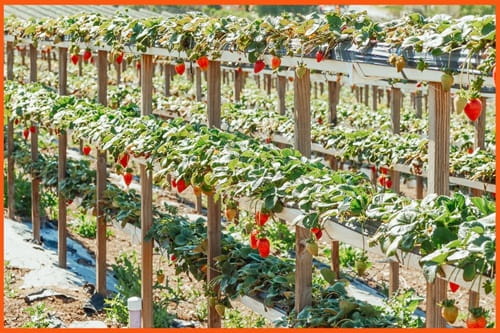
If you’re genuinely ready to treat rooftop farming as a substantial business rather than a side project, vertical farming systems let you multiply your growing capacity within the same rooftop footprint by stacking growing trays. For urban entrepreneurs targeting premium restaurant, hotel, and organic retail markets specifically, this approach genuinely offers strong returns when executed with the right crop mix.
A well-managed 1,000 square foot vertical setup focused on microgreens and premium herbs can generate meaningful monthly profit once established, with government schemes like MIDH offering 40 to 50% subsidy support for protected cultivation infrastructure including hydroponic and controlled-environment systems. This scale genuinely requires more upfront planning and capital than a simple terrace garden, but the subsidy support meaningfully reduces the financial risk of getting started.
Making the Business Side Actually Work
Regardless of which specific crop or system you choose, a few practical decisions determine whether your rooftop venture becomes genuinely profitable rather than staying a nice-looking hobby. Building direct relationships with a handful of restaurants or organic retail stores tends to generate more reliable, premium income than trying to sell purely through informal word-of-mouth. Subscription models, where households pay a recurring fee for a regular supply of fresh greens or herbs, also work particularly well for rooftop operations since your production volume tends to be smaller and more predictable than large-scale farming.
It’s also worth checking whether your specific state offers subsidies for protected cultivation or urban agriculture initiatives, since several state horticulture missions and civic bodies have started actively supporting exactly this kind of rooftop-based food production as part of broader urban sustainability efforts.
Frequently Asked Questions
Q1. How much space do I genuinely need to start a profitable rooftop farming business?
You can start meaningfully with as little as 500 square feet for a home-based hydroponic or microgreens setup, though scaling to 1,000 square feet or more generally opens access to more serious commercial buyers like restaurants and organic retail chains willing to place larger, recurring orders.
Q2. Is rooftop farming genuinely profitable, or is it mostly a sustainability hobby dressed up as a business?
It’s genuinely both possible and increasingly common as an actual business, particularly for hydroponic leafy greens, microgreens, and mushroom cultivation, where established urban entrepreneurs report real monthly profits by selling directly to restaurants, organic stores, and subscription-based household customers rather than relying on informal, occasional sales.
Q3. Do I need any special approvals before selling produce grown on my rooftop commercially?
Yes, particularly for mushrooms and any packaged or processed produce, FSSAI licensing and proper hygiene certification are genuinely necessary before commercial sale, since operating without them risks significant fines and potential closure under food safety regulations.
Q4. Which crop is the easiest starting point for someone with zero farming experience?
Microgreens or simple pot-based leafy greens are genuinely the most beginner-friendly options, since they need minimal specialised equipment, have short growing cycles that let you learn quickly from mistakes, and don’t require the more technical setup that hydroponic or vertical systems eventually demand as you scale.