 By Saurav Mehra
 Walk into any premium supermarket in Delhi, Bengaluru, or Mumbai today, and you’ll notice something genuinely striking: the organic section keeps expanding while the regular aisles stay roughly the same size. Health-conscious urban Indians are increasingly willing to pay 30 to 50% more for chemical-free rice, cold-pressed oils, and pesticide-free vegetables, and this isn’t a passing wellness trend, it’s becoming a genuine, sustained shift in how India’s growing middle class shops for food.
Here’s what makes this genuinely exciting for new entrepreneurs specifically: India’s tropical climate and long tradition of natural farming practices already give the country a structural advantage in producing organic goods, something markets in colder climates genuinely have to work harder to replicate. Combine that with substantial government support through schemes like the National Program for Organic Production, and you’ve got a sector where quality-focused entrepreneurs can genuinely build premium, high-margin businesses rather than competing purely on volume and price.
Organic Grocery Retail, Physical or Online
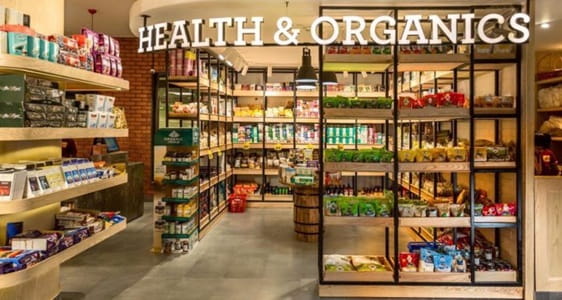
This remains the most straightforward entry point into the organic food space, and it works because it addresses a genuine, growing gap. Health-conscious urban families increasingly want a single, trusted source for chemical-free grains, pulses, vegetables, and packaged goods, rather than hunting across multiple unreliable vendors. Whether you set up a small physical store or run entirely through an e-commerce platform, the core value proposition stays the same: consumers pay a genuine premium for the assurance that what they’re buying is actually organic, not just labelled that way.
The real work here isn’t in selling, it’s in sourcing. Building relationships with verified organic farmers or Farmer Producer Organisations, and maintaining proper certification documentation, genuinely determines whether your business earns lasting customer trust or gets exposed as another store making unverified claims. Once you’ve built that sourcing reliability, though, margins genuinely stay healthy since customers are consciously choosing to pay more for exactly what you’re offering.
Organic Ghee and Dairy Products
Ghee occupies a genuinely unique position in Indian households, it’s not a trend food, it’s a permanent staple, and the shift toward organic, grass-fed, or A2 variants has created a premium tier within an already-massive existing market. Consumers who’ve been buying ghee their entire lives are increasingly willing to pay considerably more for a version that carries genuine organic or A2 certification, since the emotional and health associations run deep.
This business genuinely rewards quality control over volume. Sourcing from farms genuinely committed to organic practices, and being transparent about your production process, builds exactly the kind of brand loyalty that turns first-time buyers into repeat monthly customers. The investment required for setting up proper ghee production is meaningful, but the margins on a trusted, well-branded organic product genuinely justify it once you’ve established a loyal customer base.
Spice Processing and Packaging
India’s position as the world’s spice capital gives entrepreneurs a genuine structural advantage here that few other countries can replicate. Sourcing organic turmeric, chilli, coriander, and regional spice blends directly from agricultural markets or Farmer Producer Organisations, then processing and packaging them under your own brand, taps into both strong domestic demand and genuinely significant export potential.
This aligns particularly well with India’s broader push toward promoting domestically manufactured goods internationally, and organisations like APEDA offer real guidance and market access support specifically for entrepreneurs in this space. Highlighting GI tags, organic certification, and traditional regional recipes in your branding genuinely helps differentiate your product from generic, unbranded spice packets sitting on the same shelf.
Organic Vegetable and Fruit Farming With Direct-to-Consumer Sales
Rather than farming purely as a traditional agricultural pursuit, positioning yourself as a direct-to-consumer organic producer, selling through your own app, website, or subscription box model, genuinely captures considerably more margin than selling through conventional mandis or middlemen. Urban families are increasingly comfortable subscribing to weekly organic vegetable deliveries once they trust the source.
The soil preparation and certification process here genuinely takes patience, achieving proper organic status requires several years of chemical-free cultivation before you can legitimately market produce as certified organic. But once established, this direct relationship with your end customer means you’re not competing on price with conventional produce, you’re competing on trust and quality, exactly the dynamic that supports genuinely strong margins.
Dehydrated and Processed Organic Vegetables
This is a genuinely underappreciated category that deserves more entrepreneurial attention. Micro-dehydration units processing tomatoes into paste, onions into flakes, or leafy vegetables into powder create shelf-stable, high-value products that instant food manufacturers, institutions, and export markets genuinely want, particularly when sourced organically.
The investment for a proper dehydration setup runs meaningful, but the resulting product commands considerably higher pricing than fresh produce while solving genuine supply chain challenges around spoilage and seasonal availability. Buyers in this space, food manufacturers and institutional purchasers specifically, value consistency and certification over flashy branding, making this a genuinely solid B2B-oriented entry point for entrepreneurs comfortable with less consumer-facing marketing.
Healthy Organic Cafés and Restaurants
India’s healthy food café segment is growing at a genuinely impressive 10 to 20% annually, fuelled by rising health consciousness, urban lifestyles, and a growing appetite for wholesome, organic dining options. Unlike a purely retail organic business, a café lets you build a genuinely immersive brand experience around organic ingredients, smoothie bowls, salads, and curated healthy menus that command premium pricing precisely because customers are paying for both the food and the experience.
Collaborating with fitness centres and wellness influencers genuinely accelerates customer acquisition in this space, since your target audience overlaps considerably with people already active in fitness and wellness communities. Eco-friendly packaging and transparent sourcing, clearly explaining where your organic ingredients come from, genuinely reinforces the premium positioning that justifies your pricing compared to a conventional café down the street.
Medicinal Herbs and Herbal Product Cultivation
Growing medicinal herbs specifically for pharmaceutical and food industries represents a genuinely low-investment, high-margin niche that most new entrepreneurs overlook entirely. With government support for herbal farming and rising demand for natural, organic ingredients across both food and wellness industries, this category offers genuine diversification beyond conventional fruit and vegetable organic farming.
The challenge here lies specifically in finding buyers who genuinely value herbal, organic-grade product over cheaper conventional alternatives, meaning your success depends heavily on building direct relationships with pharmaceutical companies or specialty food brands rather than relying purely on open market sales. Once those relationships are established though, this category genuinely offers some of the highest margins available within the broader organic food space.
Understanding Certification Before You Start Anything
Regardless of which specific category you pursue, getting your organic certification genuinely right from the start matters more than almost any other single decision. The National Program for Organic Production, established specifically to standardise and verify organic claims, works through 24 approved certifying agencies that evaluate and confirm the authenticity of organic products across India.
Skipping proper certification to save time or money genuinely undermines your entire business model, since the premium pricing this sector supports depends entirely on consumer trust that “organic” actually means what it claims. Entrepreneurs who invest the patience and paperwork into genuine NPOP certification upfront build considerably more durable, defensible businesses than those hoping customers won’t ask too many questions about sourcing.
Frequently Asked Questions
Q1. How long does it genuinely take to get proper organic certification for a food business in India?
This varies by category, but for farming specifically, achieving certified organic status typically requires several years of documented chemical-free cultivation before certification agencies will approve the produce as genuinely organic, so patience during this transition period matters considerably.
Q2. Is it possible to start an organic food business without owning farmland myself?
Yes, genuinely. Many successful organic food entrepreneurs operate as processors, packagers, or retailers, sourcing certified organic raw materials from verified farmers or Farmer Producer Organisations rather than growing everything themselves, which considerably lowers the barrier to entry.
Q3. Which organic food business genuinely offers the fastest path to profitability for a first-time entrepreneur?
Organic grocery retail or a small healthy café tend to generate revenue considerably faster than farming or manufacturing-heavy models, since you’re building on existing consumer demand rather than waiting through a lengthy production or certification cycle before your first sale.
Q4. How do I convince customers to trust that my product is genuinely organic rather than just marketed as such?
Transparent sourcing, visible NPOP or equivalent certification displayed clearly on packaging, and genuine willingness to share information about your farmers or suppliers when customers ask, consistently builds the kind of trust that separates lasting organic brands from those customers eventually abandon once they suspect the claims aren’t fully genuine.