 By Saurav Mehra
 Walk into any diagnostic lab in an Indian city today and ask the technician which blood test they run the most for women between 25 and 45. Chances are, thyroid profile will be somewhere near the top of that list, right alongside vitamin D and haemoglobin. That’s not a coincidence — it reflects something doctors have been observing for years now. Nearly 1 in 10 Indian women will develop a thyroid disorder before turning 60, and hypothyroidism alone is up to ten times more common in women than in men.
What makes this genuinely worth understanding isn’t just the numbers — it’s how quietly this condition builds up. A woman might notice she’s more tired than usual, her hair seems to be falling more, her periods feel off, and she’s put on a few kilos despite not eating any differently. Most of the time, these signs get written off as stress, age, or “just how life is now.” But increasingly, thyroid imbalance is the real story hiding underneath.
So why exactly is this happening more often, and more visibly, in women today than it seemed to a generation ago? Let’s break it down properly.
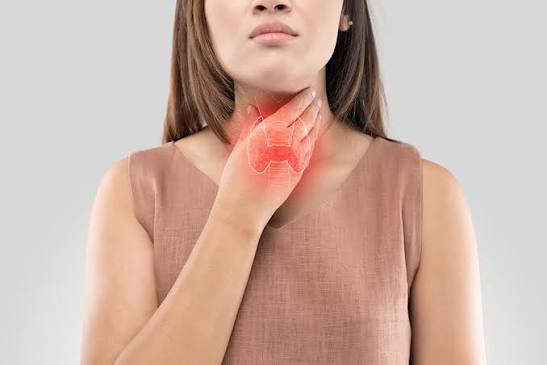
Hormones Are Naturally More Volatile in Women
Unlike men, women go through repeated, significant hormonal shifts across their lifetime — during puberty, monthly menstrual cycles, pregnancy, postpartum recovery, and eventually menopause. Each of these transitions places extra demand on the endocrine system, and the thyroid, being deeply connected to reproductive hormones, often bears part of that load. This is one reason thyroid issues frequently surface or worsen during pregnancy or in the years leading up to menopause.
Autoimmune Conditions Are Becoming More Common
Hashimoto’s thyroiditis, where the immune system mistakenly attacks the thyroid gland itself, has become the leading cause of hypothyroidism among young Indian women. Autoimmune conditions in general tend to affect women far more than men, and researchers believe a mix of genetic predisposition and immune system differences plays a role here. What’s changed recently is how often this shows up in women in their twenties and thirties, an age group where thyroid issues were once considered relatively rare.
Vitamin D and Nutrient Deficiencies Are Widespread
It might surprise people to learn that despite living in a country full of sunshine, vitamin D deficiency is extremely common among urban Indian women, largely due to indoor jobs, sunscreen use, and limited outdoor time. Vitamin D plays an important role in regulating the immune system, and low levels have been linked to a higher risk of autoimmune thyroid disease. Add to this common shortfalls in selenium, zinc, and iron — all of which are needed for healthy thyroid hormone production — and you get a nutritional gap that quietly chips away at thyroid function over the years.
Chronic Stress Is Taking a Bigger Toll Than We Realise
Modern work culture, especially among urban working women juggling careers and household responsibilities, has pushed cortisol levels higher across the board. Elevated cortisol doesn’t just make you feel wired and tired — it directly interferes with how the thyroid produces and converts its hormones. Over months and years, this kind of sustained stress response can genuinely disrupt thyroid balance, even in someone who otherwise eats and exercises reasonably well.
PCOS and Thyroid Disorders Often Travel Together
Doctors have increasingly noticed that women with PCOS or PCOD have a noticeably higher chance of also developing thyroid autoimmunity. Since both conditions share overlapping symptoms — irregular periods, unexplained weight gain, hair thinning, acne — many women end up being treated for one issue for years while the other goes completely undiagnosed. This overlap is a big part of why thyroid problems in younger women often get caught later than they should.
Diet and Gut Health Have Shifted Significantly
The move toward a more processed, Westernised diet, combined with declining gut health from lower fibre intake and irregular eating patterns, has been linked to a rise in autoimmune thyroid conditions. Gut health and immune regulation are closely tied together, and a disrupted gut microbiome appears to make the thyroid more vulnerable to autoimmune attack.
Better Awareness and Testing Are Also Part of the Picture
It’s worth acknowledging that some of this apparent “rise” is also a detection story. Thyroid testing has become cheaper, more accessible, and more routinely recommended by gynaecologists and general physicians alike, especially for women trying to conceive or dealing with irregular cycles. Conditions that may have gone unnoticed for years in the past are now being picked up far earlier simply because more women are getting tested.
FAQs
Q1. At what age should women start getting regular thyroid check-ups?
Most doctors recommend a baseline thyroid test in your mid-to-late twenties, and definitely before planning a pregnancy, since undiagnosed thyroid imbalance can affect fertility and pregnancy outcomes.
Q2. Can thyroid problems be reversed, or is it always a lifelong condition?
It depends on the cause. Iodine or nutrient-related thyroid issues can sometimes improve significantly with correction, while autoimmune conditions like Hashimoto’s are usually managed long-term rather than fully reversed, though symptoms can be well controlled with proper treatment.
Q3. Is weight gain always a sign of thyroid trouble in women?
Not necessarily, but unexplained weight gain combined with fatigue, hair thinning, and irregular periods together is a stronger signal worth getting tested for, rather than weight gain on its own.
Q4. Does thyroid imbalance affect fertility and pregnancy?
Yes, both an underactive and overactive thyroid can affect ovulation, menstrual regularity, and pregnancy outcomes, which is why doctors often recommend a thyroid panel as part of pre-pregnancy screening.