 By Saurav Mehra
 Not too long ago, fatty liver was mostly something you heard about in the context of heavy drinking. Today, that assumption doesn’t hold up anymore. Doctors across Indian cities are seeing it in people who’ve never touched alcohol in their life — desk-job professionals in their late twenties, homemakers who’ve never smoked or drunk, even teenagers with a bit of extra belly fat. Nearly one in three urban Indians is now estimated to have some degree of fatty liver, and a large number of them find out purely by accident, usually when a routine blood test shows slightly elevated liver enzymes.
What makes this particularly worth understanding is that fatty liver, at least in its early stages, is one of the more reversible conditions out there. Your liver is a remarkably resilient organ, and unlike some chronic diseases, this one genuinely responds to the changes you make. The catch is knowing what’s actually driving it, because in India, the usual advice around “eating clean” or “cutting fat” often misses the real culprit entirely.
Let’s get into exactly why this happens and what actually works to turn it around.
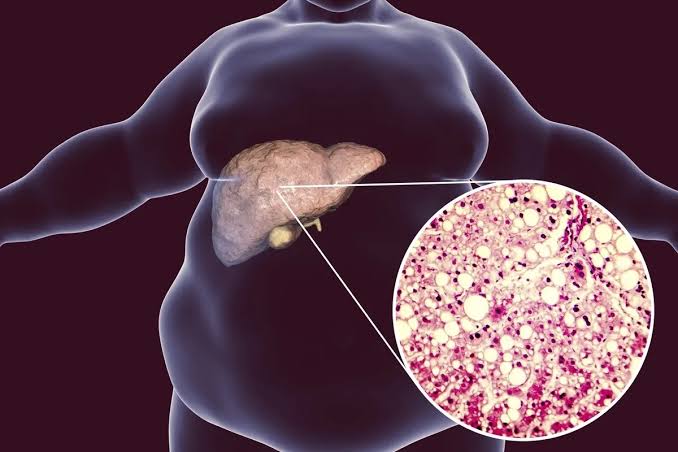
What’s Actually Going On Inside Your Liver
A small amount of fat in the liver is completely normal. Problems begin when that fat builds up beyond roughly 5 to 10 percent of the liver’s total weight, interfering with how efficiently the organ functions. Left unaddressed over years, this can progress from simple fat accumulation to inflammation, scarring, and in more serious cases, long-term liver damage. The early stage, however, usually causes no pain and often no noticeable symptoms at all, which is exactly why it tends to go unnoticed for so long.
Refined Carbs, Not Ghee, Are the Real Problem for Indians
Here’s where a lot of common advice goes wrong for Indian diets. The biggest driver of fatty liver in Indian populations isn’t fat consumption or occasional ghee — it’s refined carbohydrates. White rice, maida, sugar, packaged biscuits, and fried snacks convert to fat in the liver far more aggressively than a modest amount of ghee or nuts ever would. South Asian bodies also tend to develop insulin resistance and central fat accumulation at relatively lower body weight compared to Western populations, which partly explains why even people who don’t look overweight can still have fatty liver.
Sedentary Routines Are Making It Worse
Long hours at a desk, minimal walking, and weekends spent mostly indoors have become the default for a huge number of urban Indians, and this lack of movement directly contributes to how the liver stores and processes fat. Regular physical activity doesn’t just burn calories — it improves how efficiently your cells respond to insulin, which reduces the amount of fat your liver ends up storing in the first place.
Sugary Drinks Deserve Special Blame
Packaged fruit juices, colas, and energy drinks are often treated as harmless compared to sweets or fried food, but the fructose in these drinks is processed almost entirely by the liver, making it one of the most direct contributors to fat buildup there. Cutting these out completely tends to produce noticeably faster improvement than most other single dietary change.
Weight Loss Doesn’t Need to Be Dramatic to Help
This is genuinely good news for anyone feeling overwhelmed by the idea of a major lifestyle overhaul. Even a modest 5 to 10 percent reduction in body weight has been shown to meaningfully reduce liver fat and inflammation. For someone weighing 80 kilograms, that’s roughly 4 to 8 kilograms — a realistic, sustainable target rather than an extreme transformation.
Build Your Meals Around Fibre and Protein
Swapping white rice and maida-based foods for millets like bajra, jowar, and ragi, along with brown rice or hand-pounded rice, slows down how quickly sugar enters your bloodstream, which reduces the load on your liver. Including protein at every meal, whether through dal, curd, paneer, eggs, or fish, further supports this process while also helping you feel fuller for longer, which naturally reduces overeating.
Ghee in Moderation Is Usually Fine
Contrary to popular belief, completely eliminating ghee isn’t necessary for most people managing fatty liver. One to two teaspoons a day is generally considered acceptable, provided the rest of the diet is under control, fried food is minimized, and overall calorie intake stays balanced. The obsession with cutting fat entirely often distracts from the bigger problem — the sugar and refined carbs sitting right alongside it on the plate.
Sleep and Consistency Matter More Than People Expect
Poor sleep patterns are increasingly linked to worsening insulin resistance, which in turn affects liver fat storage. Alongside diet and exercise, maintaining a consistent sleep schedule plays a quiet but real role in how quickly liver health improves. Reversal isn’t usually about one dramatic change — it’s about several moderate changes held consistently over months.
FAQs
Q1. How long does it usually take to reverse early-stage fatty liver?
Many people see improvement in liver enzyme levels within 3 to 6 months of consistent diet and lifestyle changes, though full reversal on imaging can sometimes take longer depending on how advanced the condition was at diagnosis.
Q2. Can fatty liver come back even after it’s reversed?
Yes, if the same dietary and lifestyle patterns that caused it in the first place return, liver fat can build up again, which is why long-term habit changes work better than short, intense fixes.
Q3. Does fatty liver always cause symptoms I should watch for?
Not usually in the early stages. Most people have no symptoms at all, and mild fatigue or slight discomfort in the upper right abdomen, if it appears, tends to show up only once the condition has progressed further.
Q4. Is fatty liver only a concern for people who are overweight?
No. Thin or normal-weight individuals, particularly with insulin resistance or diabetes, can develop fatty liver too, since the condition relates more to how fat is distributed and processed internally than to overall body weight.