 By Saurav Mehra
 A relative gets her blood pressure checked at the doctor’s clinic and it reads 148/94 — genuinely concerning on paper. She checks it again that same evening at home, sitting calmly on her sofa, and it reads a completely normal 122/80. She’s now more confused than reassured, wondering which number is actually “her” blood pressure and whether she needs medication at all. This exact confusion plays out constantly, because blood pressure isn’t a fixed number the way people assume — it genuinely moves throughout the day based on more factors than most people realise.
Your Blood Pressure Is Never Actually One Fixed Number
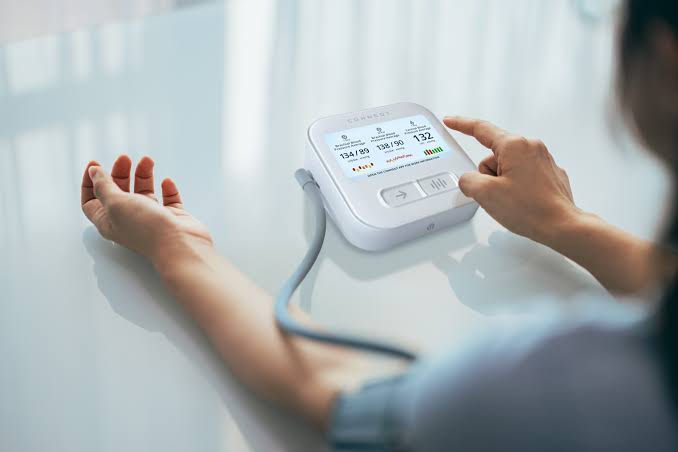
This is worth understanding clearly from the start: everyone’s blood pressure fluctuates constantly throughout the day, which is exactly why checking it just once and treating that single reading as definitive genuinely misses the bigger picture. Doctors increasingly recommend checking blood pressure at different times over a week or two — a proper average across multiple readings tells you far more than any single number taken in isolation.
Why Your Reading at the Clinic Genuinely Differs From Home
This phenomenon has an actual name — white coat hypertension — and it’s genuinely real, not imagined. It happens when anxiety about the appointment itself, worrying whether the reading will be good or bad, being nervous in a clinical setting generally, triggers your body’s stress response, which pushes your heart to work harder and temporarily raises your reading. It’s specifically defined as a clinic reading above 130/80 alongside a normal daytime average below that same threshold when measured at home.
Here’s the part worth taking seriously though: this isn’t entirely harmless just because it’s “only in the doctor’s office.” Research genuinely shows people with untreated white coat hypertension face a somewhat higher long-term cardiovascular risk than people with consistently normal readings, even though their daily average looks fine. It seems intermittent spikes, even occasional ones, may still place some strain on your cardiovascular system over years.
The Opposite Problem Exists Too, and It’s Arguably More Dangerous
Masked hypertension is genuinely the reverse situation — your reading looks normal at the doctor’s office but is actually elevated during your regular daily life. This is arguably more concerning specifically because it’s harder to catch: a doctor sees a reassuring number and doesn’t flag the concern, while your blood pressure quietly runs high the rest of the time, unmonitored. If you have risk factors — family history, stress, a physically demanding schedule — but your clinic readings always look fine, it’s genuinely worth discussing home monitoring specifically to rule this out.
Standing Up Too Fast Can Genuinely Cause Its Own Kind of Fluctuation
Orthostatic hypotension is a distinct, separate cause of fluctuation — a noticeable drop in blood pressure specifically when you stand up from sitting or lying down, sometimes causing brief dizziness or light-headedness. This is genuinely more common in older adults, and interestingly, research shows people with white coat hypertension also seem to have a higher chance of experiencing this postural drop, suggesting these two patterns of blood pressure irregularity may share some underlying connection worth flagging to your doctor together rather than treating as unrelated.
Everyday Factors Genuinely Move the Number More Than People Expect
Beyond these named conditions, plenty of ordinary daily activities genuinely shift your reading temporarily. Exercise, talking during the measurement itself, laughing, and even sexual activity can all raise blood pressure briefly. Caffeine does this too — a strong cup of chai or coffee shortly before a reading can genuinely push the number up temporarily, which is exactly why doctors often recommend avoiding caffeine for a short window before checking. Certain foods matter as well — heavily fermented, pickled, or cured foods contain compounds that can raise blood pressure, something worth knowing given how common pickled and fermented items are in Indian regional cuisines.
Medications Can Genuinely Push Your Numbers in Either Direction
This is worth checking carefully if your readings seem unpredictable despite consistent lifestyle habits. Diuretics and prescribed blood pressure medications are designed to lower your reading, while certain over-the-counter cold and allergy medications can genuinely raise it instead. If you’re on regular medication for another condition and notice your blood pressure behaving unusually, it’s genuinely worth mentioning every medication and supplement you’re taking to your doctor, rather than assuming only your blood pressure prescription itself is relevant.
Why the Way You Actually Measure at Home Genuinely Matters
Getting a reliable home average isn’t just about owning a monitor — it’s about using it properly. A reasonable approach: take two readings in the morning and two in the evening over three to seven days, then average the results, rather than obsessively checking multiple times a day, which can itself create unnecessary anxiety and paradoxically skew your own readings higher. Sit quietly for a few minutes before measuring, avoid talking during the reading, and try to measure at consistent times relative to meals and caffeine intake for genuinely comparable results.
What Genuinely Helps Reduce the Anxiety-Driven Spike Specifically
If white coat hypertension is genuinely your issue, better communication with your doctor — understanding what to expect, feeling comfortable asking questions, not dreading the appointment — measurably reduces the anxiety response over time, which in turn reduces the spike itself. Continuing to monitor at home even after a stressful clinic visit gives both you and your doctor a genuinely clearer, calmer picture of what your blood pressure actually looks like day to day.
Frequently Asked Questions
Q1. If my blood pressure is high only at the doctor’s office, do I genuinely need medication?
Not necessarily, but it’s not something to dismiss entirely either — while normal home readings alongside high clinic readings may mean treatment isn’t immediately required, research shows this pattern still carries a somewhat elevated long-term cardiovascular risk, so ongoing home monitoring and periodic reassessment with your doctor genuinely matter.
Q2. Why does my blood pressure reading sometimes feel completely unpredictable even at home?
Several everyday factors genuinely cause this — caffeine, certain fermented or pickled foods, recent physical activity, talking during the measurement, or even standing up too quickly beforehand can all shift your reading temporarily, which is exactly why measuring consistently, at rest, at similar times of day gives a more reliable picture.
Q3. Is it dangerous if my blood pressure drops when I stand up quickly?
This can genuinely be a sign of orthostatic hypotension, more common in older adults, and while an occasional brief dizzy spell might feel minor, it’s genuinely worth mentioning to your doctor, particularly if it happens frequently or if you’re also experiencing other blood pressure irregularities.
Q4. Should I be more worried about masked hypertension than white coat hypertension?
In some ways, yes — masked hypertension is genuinely trickier because it looks reassuring at the doctor’s office while remaining elevated in daily life, meaning it can go undetected for longer. If you have risk factors like family history or high stress levels despite consistently normal clinic readings, it’s genuinely worth requesting home monitoring specifically to check for this pattern.