 By Saurav Mehra
 Borderline high blood pressure is one of those health warnings many Indians ignore until it becomes serious. A reading like 130/85 or 135/88 often gets dismissed with lines like “thoda stress tha,” “chai zyada pi li thi,” or “abhi medicine ki zarurat nahi hai.” But this is exactly the stage where your body is giving you a chance to correct the problem before it becomes full hypertension.
In Indian life, blood pressure rises quietly because of daily habits: salty snacks with tea, pickle with every meal, papad, namkeen, processed foods, long sitting hours, poor sleep, work pressure, traffic stress, belly fat and low exercise. Many people do not feel any symptom, so they assume everything is fine. But high blood pressure can slowly affect the heart, brain, kidneys and blood vessels even when you feel normal.
The good news is that borderline high blood pressure can often be managed naturally with consistent lifestyle changes. This does not mean you should avoid medicines if your doctor advises them. It means you can take early action through food, movement, sleep, stress control and weight management so that your blood pressure does not move into a dangerous range.
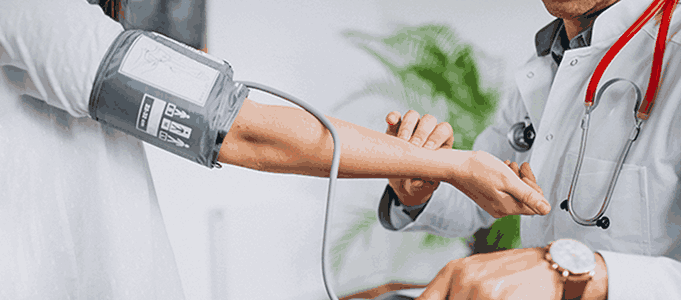
What Is Borderline High Blood Pressure?
Borderline high blood pressure usually means your BP is higher than ideal but not always high enough to require immediate strong medication. It may fall in the elevated or early hypertension range depending on your readings and health condition.
A single high reading does not always confirm a problem. Blood pressure can rise due to stress, exercise, lack of sleep, caffeine, pain or anxiety. But repeated high readings should never be ignored.
If your BP is often around 130/80 or above, discuss it with a doctor. If it is repeatedly 140/90 or higher, you need proper medical evaluation.
First Step: Measure BP Correctly
Many people panic after one wrong reading. BP should be measured properly. Sit calmly for five minutes before checking. Keep your feet flat on the floor. Do not talk during measurement. The cuff should fit your arm properly.
Avoid checking BP immediately after tea, coffee, smoking, exercise, bathing, climbing stairs or emotional stress. Take two readings one minute apart and note them.
Home BP monitoring can be very useful. Maintain a small diary with date, time and reading. This helps your doctor understand whether your BP is truly high or only rising in certain situations.
Reduce Salt Without Making Food Tasteless
Salt is one of the biggest BP triggers in Indian diets. The problem is not only the salt added while cooking. Hidden salt comes from pickles, papad, namkeen, chips, biscuits, sauces, instant noodles, packaged soups, bakery items, salted peanuts and restaurant food.
Start by reducing visible salt. Use slightly less salt in dal, sabzi and dough. Avoid adding extra salt on salad, curd, fruit or chaas. Keep pickle and papad occasional, not daily.
To maintain taste, use lemon, roasted jeera, coriander, mint, garlic, ginger, curry leaves, black pepper, green chilli, amchur and homemade masalas. Indian food can remain flavourful without too much salt.
Follow a BP-Friendly Indian Plate
A blood-pressure-friendly diet does not mean eating bland boiled food. It means making your plate more balanced.
Half your plate should be vegetables or salad. Add cucumber, carrot, cabbage, beans, lauki, tinda, capsicum, bhindi, cauliflower, spinach, methi or seasonal vegetables.
One quarter should include protein like dal, chana, rajma, sprouts, curd, paneer in moderation, tofu, eggs, fish or chicken.
The remaining quarter can include roti, rice, millet, dalia, oats or other carbs in controlled quantity.
This style of eating supports weight control, improves potassium intake and reduces dependence on salty snacks.
Eat More Potassium-Rich Foods
Potassium helps balance the effect of sodium in many people and supports healthy blood pressure. Indian diets can include potassium through natural foods like banana, coconut water, spinach, beans, dal, curd, orange, papaya, sweet potato, tomato, pumpkin and pulses.
However, people with kidney disease should not increase potassium without medical advice. If your kidney function is normal, adding more fruits, vegetables and pulses is usually a smart move.
Instead of taking potassium supplements on your own, choose natural foods unless your doctor recommends otherwise.
Lose Belly Fat Slowly
Borderline BP is often linked with belly fat. A larger waist puts extra pressure on the heart and blood vessels. Even a small amount of weight loss can help lower blood pressure.
Do not go for crash diets. Skipping meals may make you weak, irritable and more likely to overeat later. Focus on reducing sugar, fried snacks, refined carbs and late-night eating.
A simple goal is to reduce waist size gradually. If your clothes start fitting better around the stomach, your BP may also improve.
Walk Every Day
Walking is one of the easiest medicines for borderline blood pressure. You do not need a gym membership to start. A brisk 30-minute walk on most days can make a real difference.
If you are very busy, divide it into three 10-minute walks. Walk after breakfast, lunch or dinner. A short walk after meals also helps sugar control and weight management.
Use stairs when possible, stand up every hour, walk while talking on the phone and reduce long sitting. Blood pressure improves when the body moves regularly.
Add Strength Training
Many people think only walking matters for BP. Walking is excellent, but strength training is also useful. It helps build muscle, improves metabolism and supports weight control.
You can do simple home exercises like squats, wall push-ups, step-ups, light dumbbells, resistance bands or yoga strength poses. Start slowly and increase gradually.
If you already have heart disease, very high BP or chest pain, ask your doctor before starting intense exercise.
Control Sugar and Refined Carbs
Sugar and refined carbs indirectly affect BP by increasing weight, insulin resistance and triglycerides. Sweet tea, biscuits, sweets, cold drinks, packaged juices, maida snacks, bread, noodles and bakery items can worsen metabolic health.
You do not have to stop rice or roti completely. Just control the quantity. Avoid a plate full of rice with little dal or four rotis with very little sabzi. Add more protein and vegetables.
Better breakfast options include moong dal chilla, besan chilla, oats with vegetables, idli with sambar, sprouts chaat, eggs, curd, sattu drink without sugar or dalia.
Limit Tea, Coffee and Caffeine
Tea and coffee are part of Indian routine, but too much caffeine may raise BP in some people. Also, tea often comes with sugar and biscuits, which adds another problem.
If you drink four or five cups daily, reduce slowly. Keep tea light, reduce sugar and avoid pairing it with salty snacks. Do not check BP immediately after tea or coffee.
If caffeine makes you feel restless, causes palpitations or worsens sleep, reduce it further.
Avoid Tobacco Completely
Smoking, gutkha, khaini, zarda, hookah and vaping can all harm blood vessels and increase heart risk. Even if BP is only borderline, tobacco makes the situation more dangerous.
There is no safe amount of tobacco. Quitting is one of the strongest steps for heart and BP health.
If quitting feels difficult, take medical help. Nicotine addiction is real, and support can make quitting easier.
Reduce Alcohol
Alcohol can raise blood pressure, disturb sleep and increase calorie intake. It is also often taken with fried snacks, salty peanuts or late-night heavy meals.
If your BP is borderline, reducing alcohol or stopping it can help. Weekend binge drinking is not harmless. It can still affect BP and heart health.
People with liver disease, high triglycerides, diabetes or strong family history of heart disease should be extra careful.
Sleep Better
Poor sleep is a hidden BP trigger. Sleeping late, waking tired, snoring heavily or feeling sleepy during the day can all affect blood pressure.
Try to sleep 7–8 hours. Keep dinner lighter and earlier. Avoid scrolling your phone in bed. Reduce late-night tea, coffee and heavy snacks.
If you snore loudly, stop breathing briefly during sleep or wake up with headaches, discuss sleep apnea with a doctor. Sleep apnea is common and can raise BP.
Manage Stress Practically
Stress does not only affect the mind; it affects BP too. Office pressure, family tension, financial worries, traffic and lack of rest can keep the body in a constant alert mode.
You may not remove all stress, but you can train your body to recover. Try deep breathing for five minutes, slow walking, prayer, meditation, yoga, music or journaling.
Even 10 minutes of quiet time daily can help. Stress management should be treated as part of BP care, not a luxury.
Avoid Frequent Restaurant and Packaged Food
Restaurant food is often high in salt, oil and hidden sauces. Even foods that look simple—soup, dosa, chaat, Chinese food, sandwiches or gravies—can carry a lot of sodium.
Packaged foods like chips, namkeen, instant noodles, biscuits, ready-to-eat meals and sauces can also push BP higher.
Cook more at home. When eating outside, choose grilled, steamed, roasted or less-salty options. Ask for less salt and sauce where possible.
When Medicine May Still Be Needed
Lifestyle changes are powerful, but they are not a replacement for medical care in every case. If your BP remains high despite lifestyle changes, or if you have diabetes, kidney disease, heart disease, stroke history or very high cardiovascular risk, your doctor may recommend medicines.
Do not call BP medicines “hard drugs” or avoid them out of fear. For many people, BP medicine protects the heart, brain and kidneys. The goal is not to prove you can manage without tablets; the goal is to stay healthy.
Lifestyle and medicine can work together. Sometimes lifestyle changes reduce the dose needed, but that decision should be made by a doctor.
A Simple 30-Day BP Reset Plan
For the next 30 days, reduce salt and stop adding extra salt on food. Walk for at least 30 minutes most days. Eat one bowl of salad or vegetables with lunch and dinner. Reduce sugar in tea. Avoid packaged snacks. Sleep earlier. Check BP at home twice a week and record it.
These small steps may look basic, but they directly target the main reasons BP rises in Indian lifestyles. Consistency is more powerful than one extreme diet plan.
FAQs
Q1. Can borderline high blood pressure become normal naturally?
Yes, in many people, borderline BP can improve with weight loss, lower salt intake, regular walking, better sleep, stress control and healthier eating. But readings should be monitored, and medical advice is important if BP stays high.
Q2. How much salt should I reduce for high BP?
Start by avoiding extra salt, pickle, papad, namkeen, chips, packaged soups, sauces and processed foods. Use less salt in cooking and improve flavour with lemon, herbs and spices. People with BP issues should discuss their ideal salt limit with a doctor.
Q3. Is walking enough to control borderline BP?
Walking helps a lot, especially brisk walking for 30 minutes most days. But the best results come when walking is combined with lower salt intake, weight control, good sleep, stress management and a balanced diet.
Q4. When should I see a doctor for borderline BP?
See a doctor if your BP is repeatedly above normal, especially if readings are around 140/90 or higher, or if you have diabetes, kidney disease, chest pain, breathlessness, severe headache, dizziness or family history of heart disease.
 Subhash Kumar