 By Subhash Kumar
 Air fryers have entered Indian kitchens with a big promise: crispy snacks with very little oil. For families who love samosa, pakora, fries, tikki, nuggets, cutlets and reheated restaurant food, this sounds almost too good to be true. In a country where evening chai often feels incomplete without something crunchy, the air fryer has become a modern kitchen hero. It gives the feeling of fried food without fully dipping food in oil.
But the real question is important: is air fryer cooking actually healthy, or is it just another kitchen trend? Many people buy an air fryer thinking it will automatically help in weight loss, reduce cholesterol and make every snack healthy. That is not fully true. An air fryer can be a healthier cooking tool, but it depends on what you cook, how often you eat it, how much oil you still use and whether your overall diet is balanced.
For Indian homes, the air fryer can be useful because it reduces deep frying, saves oil, makes cooking cleaner and helps prepare snacks with less mess. But it cannot turn frozen fries, maida-based snacks and processed foods into health foods. Let’s understand the real pros and cons of airfrying in a practical way.
What Is Air Fryer Cooking?
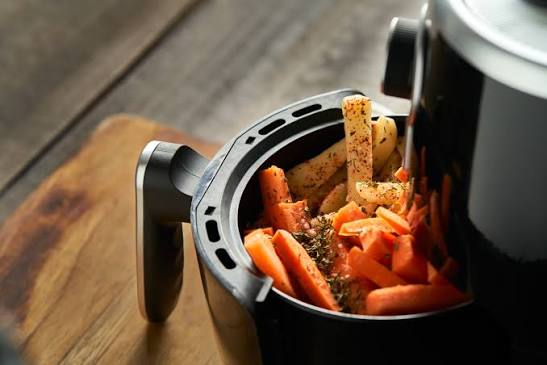
An air fryer is a small kitchen appliance that works like a compact convection oven. It circulates hot air quickly around the food, helping the outer layer become crisp. Most recipes need little or no oil compared to deep frying.
Despite the name, air frying is not actually frying in the traditional sense. Deep frying means food is submerged in hot oil. Air frying uses hot air, and sometimes a light brushing or spraying of oil, to create a similar crispy texture.
This is why air-fried food usually has less oil than deep-fried food. But taste and texture may not be exactly the same. A deep-fried samosa and an air-fried samosa will feel different, especially if you are used to street-style crispness.
Is Air Fryer Cooking Healthy?
Air fryer cooking can be healthier than deep frying because it uses much less oil. Less oil means fewer calories from fat, less greasiness and lower chances of consuming repeatedly heated oil.
However, air frying is healthy only when used wisely. Air-fried vegetables, paneer tikka, roasted chana, sweet potato wedges, fish, chicken, tofu or homemade cutlets can be good options. But air-fried frozen nuggets, fries, cheesy snacks and processed foods are still not ideal for daily eating.
So, the correct answer is: air frying is healthier than deep frying, but it is not automatically healthy for every food.
Major Benefits of Air Fryer Cooking
1. Uses Much Less Oil
This is the biggest benefit. In deep frying, food absorbs oil. Pakoras, pooris, fries and cutlets can soak up a lot of fat. In an air fryer, you may need only a teaspoon of oil or even less for many recipes.
For people trying to reduce oil intake, this can make a real difference. It is especially useful for families where fried snacks are common during evenings, weekends or festivals.
Less oil also means the food feels lighter. Many people who feel heaviness after deep-fried snacks may find air-fried versions easier to digest.
2. Helps Reduce Reheated Oil Use
In many Indian kitchens, leftover frying oil is stored and used again. This is not a healthy habit because repeatedly heated oil can form harmful compounds and lose quality.
An air fryer reduces the need for deep frying, so there is less leftover oil to reuse. This is one of its most practical health benefits.
Instead of heating a kadai full of oil for a few cutlets or nuggets, you can air fry them with minimal oil and avoid waste.
3. Useful for Weight Management
Air frying can support weight management because it reduces calories from oil. For example, air-fried potato wedges usually contain less oil than deep-fried fries. Air-fried tikki may be lighter than shallow-fried tikki.
But weight loss does not happen just because you bought an air fryer. If you eat large portions of air-fried snacks every day, total calories can still be high. The air fryer helps only when portion size and food quality are controlled.
For better results, use it for vegetables, protein-rich snacks and homemade recipes instead of only frozen packaged foods.
4. Cleaner and More Convenient Cooking
Deep frying creates smoke, oil splashes, greasy utensils and a strong smell in the kitchen. Air frying is cleaner and easier. It is useful for working people, students, small families and anyone who wants quick snacks without standing near hot oil.
You can make roasted makhana, paneer tikka, aloo wedges, chicken pieces, tofu bites, crispy bhindi, cauliflower bites and reheated leftovers with less mess.
This convenience can also encourage people to cook at home instead of ordering oily snacks from outside.
5. Good for Reheating Fried Foods
An air fryer is excellent for reheating samosa, kachori, pizza, cutlets, paratha, garlic bread and other leftovers. It makes food crisp again without adding extra oil.
Compared to microwaving, which can make snacks soggy, air frying gives better texture. But remember, reheating an unhealthy fried snack in an air fryer does not make it healthy. It only avoids adding more oil.
Cons of Air Fryer Cooking
1. It Can Create a False Health Halo
Many people think, “It is air-fried, so I can eat more.” This is the biggest mistake.
Air-fried fries are still potatoes. Air-fried nuggets are still processed food. Air-fried cheese balls still contain cheese and refined ingredients. If you increase quantity because the food is air-fried, the health benefit disappears.
The air fryer should reduce oil, not increase snacking frequency.
2. High Heat Can Still Form Harmful Compounds
Air fryers cook at high temperatures. When starchy foods like potatoes, breaded snacks and chips are cooked until very brown or burnt, compounds like acrylamide may form.
This does not mean you should fear air fryers. It simply means you should avoid over-browning or burning food. Cook until golden, not dark brown or black. Use moderate temperatures and shake the basket during cooking for even results.
3. Not All Foods Turn Out Perfect
An air fryer cannot replace every cooking method. Wet batter pakoras, loose besan-coated vegetables, very watery foods and large stuffed items may not cook well unless prepared correctly.
For example, traditional pakoras dipped in wet batter need hot oil to set properly. In an air fryer, they may become dry, uneven or floury unless the recipe is adjusted.
So, air frying works best for foods with a dry coating, light oil brushing or naturally firm texture.
4. Processed Foods Remain Processed
Many people use air fryers mainly for frozen fries, nuggets, sausages, ready-made patties and packaged snacks. These foods may contain excess salt, refined flour, preservatives and unhealthy fats.
Air frying them is better than deep frying, but they should not become daily food. For health, homemade recipes are always better.
Use the air fryer for real foods: vegetables, paneer, tofu, fish, chicken, sweet potato, corn, mushroom, sprouts cutlets and millet-based snacks.
5. Small Capacity Can Be a Problem
Air fryers cook best when food is placed in a single layer. If you overcrowd the basket, food becomes uneven—some pieces burn while others remain soft.
For large Indian families, this can be frustrating because cooking multiple batches takes time. A big kadai may feel faster when making snacks for many people.
If you have a large family, choose a bigger air fryer or use it mainly for small portions.
Is Air Fryer Better Than Deep Frying?
Yes, for most regular use, air frying is better than deep frying because it uses far less oil and avoids the problem of leftover reheated oil. It is a smarter choice for snacks that you otherwise deep fry often.
But deep-fried food eaten occasionally is not the only issue in Indian diets. Daily excess oil, refined carbs, sweets, sugary tea, low protein and low vegetables also matter. An air fryer is helpful, but it is not a full health solution.
Think of it as one tool in a healthier kitchen, along with steaming, roasting, pressure cooking, sautéing and fresh salads.
Best Indian Foods to Make in an Air Fryer
Air fryer works well for paneer tikka, tofu tikka, chicken tikka, fish tikka, roasted makhana, crispy chana, aloo wedges, sweet potato wedges, vegetable cutlets, hara bhara kebab, mushroom tikka, roasted peanuts, corn ribs, bhindi fry and cauliflower bites.
You can also reheat samosa, kachori, paratha, pizza and bread snacks.
For healthier cooking, avoid too much cheese, mayonnaise, refined flour and ready-made sauces. Use curd-based marinades, spices, lemon, ginger-garlic paste, roasted cumin and fresh herbs for flavour.
Tips to Make Air Frying Healthier
Use only a light brushing or spray of oil. Do not pour oil heavily into the basket. Preheat only when needed. Avoid cooking food until it becomes burnt or too dark.
Cut food into equal sizes so it cooks evenly. Shake or turn the food halfway. Clean the basket after every use because burnt crumbs can affect taste and safety.
Do not use damaged non-stick baskets. If the coating starts peeling, replace the basket or appliance part. Also avoid using metal spoons that scratch the surface.
Most importantly, balance air-fried snacks with salad, dal, curd, vegetables or protein. Do not make snacks the main meal every day.
Who Can Benefit Most From an Air Fryer?
An air fryer is useful for people trying to reduce oil intake, manage weight, avoid deep frying, cook quick snacks at home or reheat food without making it soggy.
It may be especially helpful for working couples, bachelors, students, small families and people who like crispy food but want a lighter option.
People with high cholesterol, diabetes, fatty liver or heart concerns may also benefit if they use it for homemade low-oil meals. But they should still avoid frequent processed snacks and large portions.
Who Should Not Depend Too Much on Air-Fried Food?
People who use the air fryer only for packaged frozen snacks may not get much health benefit. Also, those with acidity, digestive issues or strict medical diets should be careful with spicy, dry and heavily roasted foods.
Children can eat air-fried snacks occasionally, but their diet should not become full of fries, nuggets and processed items just because they are air-fried.
For elderly people, softer foods like dal, sabzi, khichdi and steamed dishes may still be better than too many crispy snacks.
Practical Verdict
Air fryer cooking is healthier than deep frying when it helps reduce oil, avoid reused frying oil and cook more homemade food. It is a good appliance for Indian kitchens, especially for snacks and quick cooking.
But it is not magic. Food does not become healthy only because it is cooked in an air fryer. The real health value depends on ingredients, portion size, temperature, frequency and overall diet.
Use the air fryer smartly: less oil, more vegetables, more protein, fewer processed foods and no burnt cooking. That is when airfrying becomes a genuinely useful habit.
FAQs
Q1. Can air fryer food help in weight loss?
Air fryer food can support weight loss if it replaces deep-fried snacks and uses less oil. But weight loss also depends on portion size, total calories, protein intake and daily activity. Eating air-fried snacks in large amounts will not help.
Q2. Is air fryer cooking safe for daily use?
Yes, air fryer cooking can be safe for daily use if you cook balanced foods, avoid burning, clean the basket regularly and do not depend only on processed frozen snacks. Use it along with other cooking methods like steaming, boiling and sautéing.
Q3. Does air frying destroy nutrients?
All cooking methods can reduce some nutrients depending on heat and time. Air frying may preserve nutrients better than deep frying in some cases because it uses less oil and often cooks faster. Avoid overcooking vegetables to keep them healthier.
Q4. Is air fryer better than microwave?
Both have different uses. A microwave is better for quick heating and soft foods, while an air fryer is better for crispiness. For reheating samosa, cutlets or fries, an air fryer gives better texture. For dal, rice and curry, a microwave is more convenient.