 By Saurav Mehra
 Somewhere in an industrial lane in Ahmedabad, a scrap dealer who started with nothing more than a weighing scale and a handshake network of local kabadiwalas now runs a plastic processing unit turning over lakhs every month. Meanwhile, India generates over 62 million tonnes of waste annually, and only a fraction of it gets processed through anything resembling a scientific system. That gap between mountains of discarded material and organised processing capacity is exactly where genuine fortunes are quietly being built right now.
Here’s what’s changed the entire equation for recycling businesses in 2026: Extended Producer Responsibility rules now legally require brands to account for every tonne of plastic and electronics they put into the market, creating a massive, built-in customer base that didn’t exist a decade ago. Add government subsidies through PMEGP and MUDRA loans, growing environmental consciousness among urban consumers, and India’s recycling market climbing steadily toward the billion-dollar mark, and you’ve got a genuinely rare window where doing good for the planet and building serious profit margins point in exactly the same direction.
1. Plastic Recycling: The Most Accessible High-Volume Entry Point
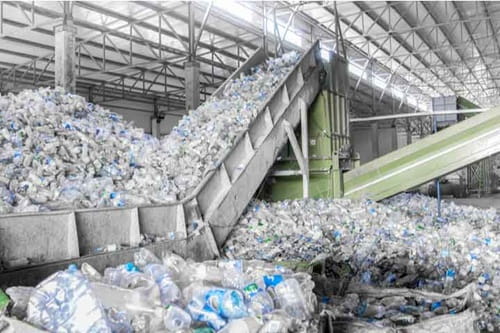
Plastic recycling remains the most commonly chosen starting point for good reason, the raw material is genuinely everywhere, and demand from FMCG companies, packaging manufacturers, and textile producers keeps growing. The basic process involves collecting mixed plastic waste, sorting it by polymer type, washing, shredding, and pelletising it into reusable granules that manufacturers buy to reduce their reliance on virgin plastic.
Setting up a basic processing line typically requires ₹10 lakh to ₹35 lakh, covering shredders, granulators, and washing units, alongside adequate space for sorting and storage. A well-run formal plant generally operates at 15 to 25% gross margins and 8 to 15% net margins, with capital payback typically landing between 2.5 and 4 years. The real lever most first-time operators underuse is EPR credit revenue, registering as a CPCB Plastic Waste Processor and securing offtake agreements with brand owners lets you layer an additional ₹2 to ₹6 per kilogram on top of your standard granule pricing, a genuinely meaningful lift on your overall margin since generating the certificate itself costs relatively little once you’re set up.
2. E-Waste Recycling: Where the Real Margins Hide
If you’re specifically hunting for the highest-margin opportunity on this list, e-waste recycling genuinely stands apart. India’s e-waste management market is growing at an eye-catching 14 to 16% annually, driven by constant phone, laptop, and appliance upgrades across a population that’s replacing electronics faster than ever before. Margins here can run anywhere from 40 to 80%, though this comes paired with considerably higher upfront investment and technical complexity than plastic or paper.
Setting up an e-waste dismantling unit typically requires ₹20 lakh to ₹70 lakh, covering specialised dismantling machinery, safety systems, and skilled staff trained to handle hazardous materials responsibly. Once operational, monthly profits commonly range from ₹2 lakh to ₹8 lakh, generated by extracting valuable metals like copper, gold, and silver from circuit boards, reselling refurbished electronics, and recovering glass and plastic components for separate resale. You’ll need hazardous-waste handling permits and a secure facility, but partnerships with corporates, IT parks, and repair shops generating bulk e-waste give you a genuinely reliable, ongoing supply once established.
3. Metal Scrap Recycling: Steady, Time-Tested Profitability
Metal recycling has quietly remained one of the most consistently profitable segments in India’s scrap industry, driven by unrelenting demand from manufacturing, construction, and the automobile sector. India’s metal recycling market is projected to keep growing at 12 to 14% annually over the coming years, and unlike some newer recycling categories, this one has decades of established trading networks and buyer relationships you can tap into relatively quickly.
The day-to-day work involves collecting and processing scrap iron, steel, copper, and aluminium sourced from factories and demolition sites. Getting started typically requires ₹12 lakh to ₹40 lakh, mostly for cutting and shearing equipment plus a decent warehouse, and monthly profits commonly reach ₹1.5 lakh to ₹5 lakh once you’ve built steady supply relationships. Margins here genuinely fluctuate based on metal type and market conditions, generally landing somewhere between 25 and 50%, and success depends heavily on maintaining reliable partnerships with construction firms, factories, and auto scrap dealers who can provide consistent volume rather than sporadic, unpredictable supply.
4. Textile Recycling: Riding the Fast Fashion Backlash
This is a genuinely underexplored category compared to plastic and metal, yet it’s poised for meaningful growth as fast fashion’s environmental cost becomes harder to ignore. Textile recycling transforms discarded clothing, fabric scraps, and manufacturing waste into new fibres, insulation materials, or industrial cleaning cloths, and India’s massive textile sector genuinely produces enormous volumes of waste that mostly goes unprocessed right now.
The opportunity has grown considerably sharper heading into 2026, as European Union regulations targeting fast fashion push global apparel brands toward replacing virgin polyester with recycled fibres. This positions Indian textile recyclers who can produce high-purity recycled material as genuine links in a global supply chain rather than purely a domestic, feel-good operation. The process involves sorting fabric by type, mechanically or chemically processing it through cutting and shredding, then forming new usable products, work that rewards operators who invest early in quality control since export-grade recycled fibre commands considerably better pricing than domestic scrap-grade material.
5. Organic Waste Composting: Low-Tech, Genuinely Reliable
Not every high-margin recycling business requires heavy machinery and hazardous material handling. Organic waste composting turns food scraps and market waste, material that would otherwise rot in landfills releasing methane, into nutrient-rich compost that organic farms and urban gardens actively want. This sector has become particularly promising given new mandatory waste segregation rules pushing hotels, hospitals, and large housing societies to formally process their organic waste rather than simply dumping it.
Partnering directly with these institutions, who are often legally required to manage their waste responsibly, secures you both a steady raw material supply and a genuinely reliable, recurring revenue stream through service contracts. Margins here typically run 25 to 45%, and the barrier to entry is considerably lower than plastic or e-waste processing, since you’re not dealing with the same regulatory complexity or expensive specialised machinery.
6. Getting Your Legal Foundation Right From the Start
Regardless of which category you choose, a few compliance steps are genuinely non-negotiable rather than optional extras. You’ll need Udyam Registration for MSME benefits and easier bank loan access, GST registration for inter-state scrap trading and claiming input tax credit, and Consent to Establish and Consent to Operate from your State Pollution Control Board before running any processing facility.
For plastic, e-waste, and battery recycling specifically, EPR registration through the CPCB portal isn’t optional, it’s mandatory, and it’s also exactly what unlocks that additional EPR credit revenue stream discussed earlier. Skipping these approvals to save time or money genuinely isn’t worth the risk, penalties for operating without proper environmental clearances have grown considerably steeper as India’s Green Tribunals tighten enforcement.
7. Choosing Your Starting Point Based on Your Actual Capital
If you’re working with genuinely limited capital, starting as a scrap aggregator or collector, buying, sorting, and reselling to established processors rather than running your own processing line, is the most accessible entry point, letting you build supplier relationships and market knowledge before committing to expensive machinery. Once you understand the buying rates, seasonal fluctuations, and reliable supply sources in your specific location, transitioning into actual processing becomes a considerably more informed decision.
For those with more substantial capital ready to deploy, plastic and metal recycling tend to offer the fastest path to stable, predictable revenue given their established buyer networks, while e-waste rewards patient investors willing to navigate more regulatory complexity in exchange for genuinely superior margins once operational.
Frequently Asked Questions
Q1. Which recycling business genuinely offers the best margins with the least regulatory hassle?
Organic waste composting offers a genuinely favourable balance, decent margins around 25 to 45% with considerably less regulatory complexity compared to plastic, e-waste, or metal recycling, which all require specific environmental clearances and, in some cases, hazardous material handling permits.
Q2. Do I need to register for EPR even if I’m running a small-scale recycling operation?
Yes, if you’re processing plastic, e-waste, or battery waste specifically, EPR registration through the CPCB portal is mandatory regardless of your operation’s size, and it’s also what unlocks additional EPR credit revenue that meaningfully boosts your overall margins.
Q3. Is it possible to start a recycling business without heavy upfront investment in machinery?
Yes, starting as a scrap aggregator or collector, sourcing, sorting, and reselling material to established processing plants rather than processing it yourself, requires considerably less capital and lets you build market knowledge before investing in your own machinery.
Q4. How do I ensure a steady, reliable supply of waste material rather than relying on unpredictable sourcing?
Building formal partnerships with consistent generators, factories, construction firms, corporate offices, hotels, or municipal waste collection systems, genuinely matters more than relying purely on informal kabadiwalas or one-off pickups, since predictable volume is exactly what determines whether your processing capacity actually gets used efficiently month after month.