 By Subhash Kumar
 Exterior paint is the first line of defense for your home against India’s unforgiving weather. From scorching summer heat and UV radiation to heavy monsoons, high humidity in coastal areas, and dust storms in the north, Indian homes endure extreme conditions that can cause regular paint to fade, crack, peel, or develop mold within a few years. Choosing the right weather-resistant exterior paint not only protects your property’s structure but also maintains its aesthetic appeal and boosts curb value for years.
This guide will help you understand what makes a paint truly weather-resistant and how to select the best option for your home.
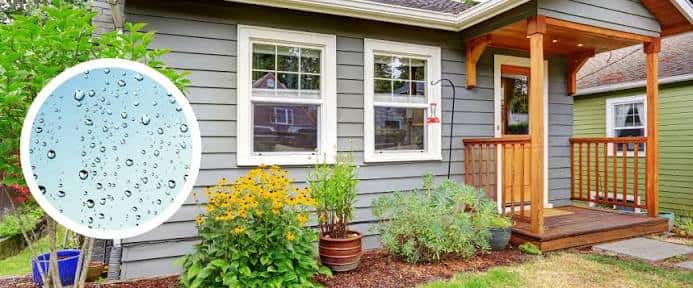
Why Weather-Resistant Exterior Paint Matters in India
Indian climates are highly varied and demanding. Coastal regions face constant moisture and salt air, while arid zones deal with intense sunlight and temperature fluctuations. Poor-quality exterior paint often fails after 2–3 monsoons, leading to expensive repairs, water seepage, and structural damage. High-quality weather-resistant paints, on the other hand, can last 5–8 years or more with proper application.
Key Features of Weather-Resistant Exterior Paint
When shopping for exterior paint, look for these essential characteristics:
- UV Resistance and Colour Retention
Paints with advanced UV stabilizers prevent fading and chalking under harsh Indian sunlight.
- Waterproofing and Hydrophobic Properties
The paint should repel water effectively. Look for elastomeric or acrylic-based formulas that form a flexible, waterproof membrane.
- Anti-Fungal and Algae Resistance
High humidity promotes mold and algae. Premium paints include strong anti-microbial additives.
- Elasticity and Crack-Bridging Ability
Good exterior paints can stretch and contract with walls, covering hairline cracks caused by temperature changes.
- Breathability
The paint should allow trapped moisture inside walls to escape while blocking external water.
- Low Dirt Pick-Up and Self-Cleaning Properties
Some advanced paints have low surface tension that reduces dust accumulation.
Types of Weather-Resistant Exterior Paints
- Acrylic Emulsion Paints: Most popular and versatile. Offer good balance of durability and cost.
- Elastomeric Paints: Premium choice with high elasticity. Excellent for crack-prone walls and heavy rainfall areas.
- Textured Paints: Provide aesthetic appeal while hiding imperfections and offering extra protection.
- Heat-Reflective Paints: Reflect infrared rays, keeping interiors cooler — ideal for hot regions.
How to Choose the Right Weather-Resistant Paint
Step 1: Assess Your Local Climate
- Coastal/Humid Areas (Mumbai, Chennai, Kolkata): Prioritize strong waterproofing and anti-fungal properties.
- Hot & Dry Regions (Delhi, Rajasthan): Focus on UV protection and heat-reflective technology.
- Heavy Rainfall Zones: Choose elastomeric or high-build paints.
Step 2: Check Performance Specifications
Look for labels mentioning “100% Acrylic,” “Elastomeric,” “Weatherproof,” or “5–7 years protection.” Check technical data sheets for parameters like water absorption, elongation at break, and scrub resistance.
Step 3: Consider Paint Quality and Certifications
Always choose ISI-marked paints from trusted brands. Premium ranges offer better value despite higher initial cost.
Step 4: Evaluate Coverage and Cost
Premium exterior paints typically cover 8–12 sq.m per litre per coat. Factor in primer and labour costs. A good paint may cost more upfront but reduces repainting frequency.
Step 5: Colour Selection
Light and medium shades last longer than dark colours. Popular choices include off-white, beige, light grey, and pastel tones that reflect heat.
Recommended Brands in India
- Asian Paints Apex Ultima / Royale Play: Excellent durability and rich colours.
- Berger WeatherCoat: Strong weather resistance and good coverage.
- Dulux Weathershield: Premium protection with advanced technology.
- Nippon Paint: Innovative heat-reflective and weatherproof solutions.
Always buy from authorized dealers to avoid counterfeit products.
Application Tips for Maximum Performance
- Schedule painting during dry seasons (October–March).
- Prepare surfaces thoroughly: clean, repair cracks, and apply primer.
- Apply two to three coats for best protection.
- Use quality rollers and brushes for even coverage.
- Ensure proper drainage on terraces and balconies.
Maintenance for Longevity
- Inspect exterior walls annually before monsoon.
- Clean gently with water and mild detergent.
- Touch up damaged areas promptly.
- Reapply waterproof coatings on terraces every 3–4 years.
Conclusion
Choosing weather-resistant exterior paint requires careful consideration of your local climate, wall condition, and product specifications. Investing in high-quality acrylic or elastomeric paints from reputed brands will protect your home from India’s harsh weather, reduce maintenance costs, and keep your house looking beautiful for many years. Don’t compromise on quality when it comes to exterior surfaces — they face the worst conditions daily.
Before your next painting project, evaluate your specific needs, consult professional painters, and select paints that offer comprehensive weather protection. A well-protected exterior not only enhances your home’s appearance but also safeguards your most valuable asset for the long term.
FAQ
Q1: What makes a paint truly weather-resistant?
Advanced acrylic or elastomeric formulations with UV stabilizers, waterproofing agents, and anti-fungal properties make paint weather-resistant.
Q2: How long does good quality exterior paint last in India?
Premium weather-resistant paints typically last 5–8 years, depending on climate and application quality.
Q3: Is elastomeric paint worth the extra cost?
Yes, especially for homes with cracks or in heavy rainfall areas, as it offers superior flexibility and waterproofing.
Q4: Can I use the same paint for all exterior surfaces?
Different surfaces may need specific products — terraces often require specialized waterproof coatings while walls can use standard exterior emulsions.
Q5: Should I choose light or dark colours for exterior walls?
Light and medium shades are better as they reflect heat, resist fading, and keep interiors cooler.
Q6: How important is surface preparation for exterior painting?
Extremely important. Proper cleaning, crack repair, and priming determine how long the paint will last.
Q7: What is the best time to paint exterior walls in India?
The dry season from October to March is ideal for best adhesion and durability.