 By Subhash Kumar
 The kitchen countertop is one of the most heavily used surfaces in an Indian home. It endures daily chopping, hot vessels, oil spills, masala grinding, and frequent cleaning. With Indian cooking being spice-heavy and involving high heat and moisture, choosing the right countertop material is crucial for durability, hygiene, aesthetics, and long-term value. A poor choice can lead to stains, cracks, expensive repairs, and frustration, while the right one can make cooking more enjoyable and your kitchen look premium for years.
This guide will help you navigate the options available in India and choose the best kitchen countertop material based on your budget, lifestyle, and climate.
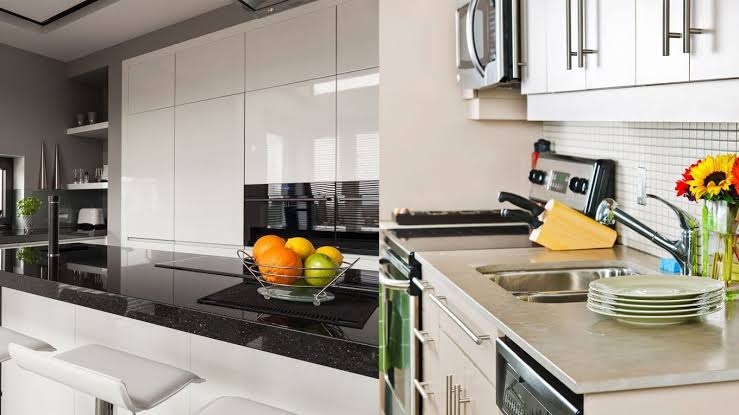
Key Factors to Consider Before Choosing
- Durability and Strength
The material must withstand heat, impact, scratches, and heavy use.
- Stain and Moisture Resistance
Indian kitchens see turmeric, oil, and water regularly. Non-porous materials are preferable.
- Maintenance
Busy families need low-maintenance options that are easy to clean.
- Heat Resistance
Direct hot kadhais and pressure cookers are common, so the surface should handle high temperatures.
- Aesthetics and Budget
The countertop should complement your modular or traditional kitchen while fitting your budget.
- Climate Suitability
Humidity in coastal areas and dust in northern regions affect material performance.
Popular Kitchen Countertop Materials in India
- Granite
Granite is the most popular choice in Indian homes due to its natural beauty and strength.
Pros:
- Extremely durable and heat-resistant.
- Wide variety of colours and patterns.
- Good value for money (₹150–400 per sq ft).
- Easy to maintain with proper sealing.
Cons:
- Porous — needs regular sealing to prevent staining from spices and oil.
- Heavy, requiring strong cabinet support.
- Can develop cracks if not installed properly.
Best for: Most Indian kitchens, especially heavy-use households.
- Quartz (Engineered Stone)
Quartz is a man-made material composed of natural quartz crystals, resins, and pigments. It has gained massive popularity in recent years.
Pros:
- Non-porous, highly stain-resistant, and hygienic.
- Consistent colour and pattern.
- Scratch and heat resistant.
- Low maintenance — no sealing required.
Cons:
- More expensive (₹300–800 per sq ft).
- Can feel slightly less “natural” than granite.
- Sensitive to very high direct heat.
Best for: Modern kitchens, homes with children, and families who prefer low-maintenance surfaces.
- Marble
Marble offers unmatched elegance and a luxurious feel.
Pros:
- Beautiful natural veining.
- Naturally cool surface — good for kneading dough.
- Timeless appeal.
Cons:
- Highly porous and prone to staining.
- Requires frequent sealing and careful maintenance.
- Not ideal for heavy daily use.
Best for: Luxury homes or decorative areas rather than heavy cooking zones.
- Laminate
Laminate countertops are budget-friendly and come in numerous designs.
Pros:
- Affordable (₹80–200 per sq ft).
- Wide variety of colours and textures.
- Lightweight and easy to install.
Cons:
- Prone to swelling if edges get damaged by water.
- Less heat and scratch resistant.
- Can look cheap if low quality is chosen.
Best for: Rental apartments or tight budgets.
- Stainless Steel
Common in professional and many traditional Indian kitchens.
Pros:
- Highly hygienic and easy to clean.
- Excellent heat and stain resistance.
- Durable and long-lasting.
Cons:
- Shows scratches and fingerprints easily.
- Can feel cold and industrial.
- Noisy when used.
Best for: Heavy cooking households and professional-style kitchens.
How to Make the Final Decision
- Heavy Cooking Families: Go for Granite or Quartz.
- Modern Apartments: Quartz or high-quality Laminate.
- Budget Constraints: Laminate or basic Granite.
- Luxury Homes: Marble (with proper care) or premium Quartz.
Always choose materials with proper edging and good quality adhesive. Buy from reputed brands like Asian Paints, Merino, or local fabricators with strong warranties.
Maintenance Tips for Longevity
- Wipe spills immediately.
- Use cutting boards and trivets.
- Seal granite and marble regularly.
- Avoid harsh chemicals.
- Clean with mild soap and water.
Conclusion
Choosing the best kitchen countertop material involves balancing beauty, durability, maintenance, and budget. For most Indian homes, Quartz and Granite offer the best overall performance. Quartz is ideal if you want low maintenance and a modern look, while Granite provides excellent value and traditional charm.
Take time to visit showrooms, compare samples under actual lighting, and discuss your cooking habits with experts. A well-chosen countertop will serve your family reliably for 10–20 years, making daily cooking more efficient and enjoyable. Invest wisely — your kitchen countertop is used multiple times every single day.
FAQ
Q1: Which is better for Indian kitchens — Granite or Quartz?
Quartz is better for low maintenance and stain resistance, while Granite offers better heat resistance and is more budget-friendly.
Q2: Is Marble suitable for heavy Indian cooking?
Marble looks beautiful but is not ideal for heavy daily use as it stains easily and requires frequent sealing.
Q3: What is the most budget-friendly countertop material?
Laminate is the most affordable, though it needs careful handling around water and heat.
Q4: How do I protect my countertop from stains?
Wipe spills immediately, use coasters and cutting boards, and seal natural stone regularly.
Q5: What thickness of countertop is recommended?
18–20 mm thickness is standard and offers good durability for Indian kitchens.
Q6: Can I mix different materials in one kitchen?
Yes. Many people use Quartz on the main counter and Stainless Steel near the sink or cooking area.
Q7: How long does a good kitchen countertop last?
With proper care, Granite and Quartz can last 15–25 years, while Laminate lasts 8–12 years.