 By Subhash Kumar
 Completing Class 10 is a significant milestone, and for many students, it marks the perfect time to pursue skill-based vocational education instead of the traditional 11th and 12th route. In 2026, India’s economy is experiencing a massive demand for skilled professionals. With initiatives like Skill India, PMKVY (Pradhan Mantri Kaushal Vikas Yojana), and the growing emphasis on “Make in India,” vocational courses after 10th offer fast-track entry into high-demand careers. These programs are practical, shorter in duration, and designed to make students job-ready quickly.
Vocational education after 10th typically ranges from 6 months to 3 years and focuses on hands-on training. Many programs include apprenticeships with stipends and strong placement support. Below is a curated list of the best high-demand vocational career options after 10th, along with key details to help you choose wisely.
1. Electrician (ITI Trade)
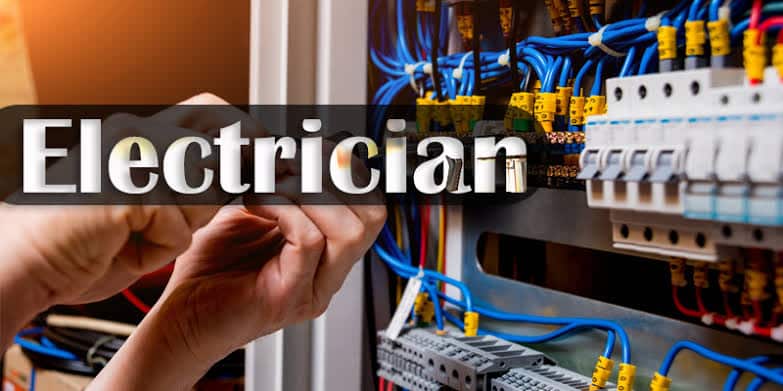
Electricians are among the most sought-after technicians in construction, manufacturing, and renewable energy sectors.
Duration: 2 years (ITI).
Eligibility: Class 10 pass.
Salary Prospects: ₹3.5–7 LPA starting; experienced electricians and contractors earn ₹10–18 LPA.
Demand Drivers: Solar energy projects, housing boom, and industrial automation.
How to Start: Join a government ITI, complete NCVT certification, and gain apprenticeship experience. Specialization in EV charging stations offers even better prospects.
2. Computer Operator & Programming Assistant (COPA)
A modern ITI trade that combines computers, basic programming, and office automation.
Duration: 1 year.
Eligibility: Class 10 pass.
Salary Prospects: ₹3.5–8 LPA starting; with upskilling, ₹10–20 LPA in IT support or data roles.
Demand Drivers: Every office, shop, and small business needs computer-literate staff.
How to Start: Learn MS Office, Tally, basic Python, and graphic design. Freelance opportunities on Upwork and Fiverr are excellent.
3. Diploma in Pharmacy (D.Pharm)
A healthcare-focused vocational course with consistent demand.
Duration: 2 years.
Eligibility: Class 10 with Science subjects.
Salary Prospects: ₹3–7 LPA starting as a pharmacist or medical representative.
Demand Drivers: Expansion of retail pharmacies, hospitals, and pharmaceutical companies.
How to Start: Join a PCI-approved institute. Many graduates later pursue B.Pharm for higher growth.
4. Medical Laboratory Technology (DMLT)
Support the diagnostics industry by working in pathology labs.
Duration: 2 years.
Eligibility: Class 10 with Science.
Salary Prospects: ₹3–6.5 LPA starting; senior technicians earn ₹8–12 LPA.
Demand Drivers: Rising health awareness and diagnostic lab chains.
How to Start: Focus on practical lab training and pursue additional certifications.
5. Automobile Engineering (with EV focus)
Specialize in vehicle maintenance and emerging electric vehicle technology.
Duration: 2–3 years (ITI or Polytechnic Diploma).
Eligibility: Class 10 pass.
Salary Prospects: ₹3.8–8 LPA starting; EV specialists command premium pay.
Demand Drivers: Rapid shift to electric mobility.
How to Start: Learn diagnostics, EV systems, and gain experience in service centers.
6. Refrigeration & Air Conditioning (RAC) Technician
Install and maintain ACs, refrigerators, and cold storage systems.
Duration: 1–2 years.
Eligibility: Class 10 pass.
Salary Prospects: ₹4–9 LPA starting.
Demand Drivers: Climate change and rising demand for comfort cooling.
How to Start: Focus on energy-efficient and eco-friendly systems.
7. Fashion Design & Garment Technology
Enter the apparel and fashion industry with practical design skills.
Duration: 1–3 years.
Eligibility: Class 10 pass with creative aptitude.
Salary Prospects: ₹3.5–8 LPA starting; experienced designers and merchandisers earn more.
Demand Drivers: Strong apparel export and domestic fashion market.
How to Start: Build a portfolio and intern with garment manufacturers.
8. Hotel Management & Catering
Fast entry into the hospitality and tourism sector.
Duration: 1–3 years diploma.
Eligibility: Class 10 pass.
Salary Prospects: ₹3–8 LPA starting + tips and allowances.
Demand Drivers: Tourism recovery and new hotel projects.
How to Start: Choose reputed institutes and complete industrial training.
9. Digital Marketing & Web Development
Short-term skill courses with high freelance potential.
Duration: 6–12 months.
Eligibility: Class 10 pass.
Salary Prospects: ₹3.5–10 LPA starting; freelancers can earn ₹50,000+ monthly.
Demand Drivers: Every business needs digital presence.
How to Start: Earn Google and HubSpot certifications and build live projects.
10. Beauty & Wellness / Cosmetology
A fast-growing personal care and wellness field.
Duration: 6 months to 1 year.
Eligibility: Class 10 pass.
Salary Prospects: ₹3–7 LPA starting in salons or as freelancers.
Demand Drivers: Rising disposable income and wellness trends.
General Advice for Students After 10th
- Choose Based on Interest: Technical trades suit hands-on learners, while digital and hospitality options favor communication skills.
- Government Support: Leverage PMKVY, Skill India, and state technical boards for quality training and placement.
- Apprenticeship: Opt for programs with paid on-the-job training.
- Future Growth: Many ITI/diploma holders later pursue lateral entry into degree programs.
- Entrepreneurship: Several trades (Electrician, Beauty, Fashion) allow you to start your own business.
Frequently Asked Questions (FAQ)
Q1: Are vocational courses after 10th respected?
Yes. Employers prioritize skills and certifications. Many government and private companies actively recruit ITI and diploma holders.
Q2: What is the average starting salary?
₹3–7.5 LPA, depending on the trade, location, and institute. Metro cities and specialized skills pay better.
Q3: Can I pursue higher studies later?
Yes. Lateral entry into B.Tech, BBA, or other degrees is widely available.
Q4: Which field has the best future?
Electrician (with solar/EV focus), COPA, and RAC are among the strongest in 2026.
Q5: Is it better than continuing to 12th?
For students seeking early employment and practical skills, vocational paths after 10th are often better. You can always pursue higher studies alongside work.
Vocational education after 10th is no longer a secondary choice — it is a strategic, empowering route to a stable and successful career. These programs help you gain confidence, earn early, and contribute meaningfully to the economy.
If you prefer learning by doing and want to become independent soon, explore ITI and diploma options seriously. Visit institutes, speak with current students and alumni, and choose a trade aligned with your interest and local job market.