 By Saurav Mehra
 Indian summer can be brutal—not only for people, but also for cars. Park your car outside for a few hours in May or June, and it feels like a hot plate. The steering wheel burns your hands, the cabin becomes suffocating, and the car body absorbs heat all day. But while most owners worry about cabin heat and AC performance, the paint quietly takes the biggest beating. Strong sunlight, UV rays, dust, bird droppings, tree sap, pollution and repeated heating can slowly make the paint look dull, faded and tired.
This matters because car paint is not just for beauty. It protects the metal body from weather damage, rust and long-term ageing. A car with shiny, well-maintained paint looks newer, gets better resale value and feels more premium even after years. On the other hand, a neglected car may start showing swirl marks, oxidation, patchy fading, rough texture and loss of gloss much earlier.
In India, many cars are parked in open spaces—outside homes, offices, markets, railway stations, apartments and roadside areas. Not everyone has covered parking. So, the practical question is not “Can we avoid the sun completely?” The real question is: how can we reduce sun damage with smart, affordable and regular care?
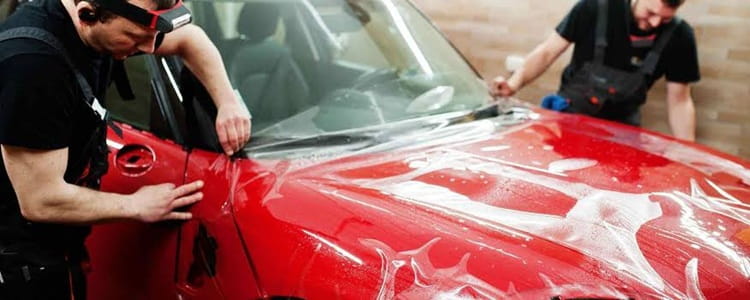
Why Summer Sun Damages Car Paint
Car paint has multiple layers, including primer, colour coat and clear coat. The clear coat is the top protective layer that gives shine and depth. Harsh sunlight, especially UV exposure, slowly weakens this clear coat.
When the clear coat starts degrading, the paint can look dull, dry and faded. Dark colours like black, red, blue and maroon often show sun damage faster because they absorb more heat and reveal imperfections more clearly.
Heat also expands and contracts the paint surface daily. Add dust, acidic bird droppings, hard water spots and pollution, and the paint faces continuous stress. Over time, the car loses that fresh showroom glow.
Park in Shade Whenever Possible
The simplest and most effective protection is shade parking. A car parked under shade stays cooler and faces less direct UV exposure.
Look for covered parking at home, office and malls. If you live in an apartment, try to get a basement or covered slot if possible. If you park on the road, choose a spot under a safe shade, but avoid parking directly under trees for long hours because bird droppings, sap and falling branches can damage the paint.
Even partial shade is better than full-day direct sunlight. If your car spends 8–10 hours daily in open sun, paint ageing will naturally be faster.
Use a Good Quality Car Cover
If covered parking is not available, a car cover can help. But the quality of the cover matters.
Use a breathable, soft inner-lined car cover that fits properly. A poor-quality rough cover can scratch the paint when wind moves it. Plastic-like covers can trap moisture and heat, which may create more problems.
Always cover a clean car. If you put a cover over dusty paint, the dust can rub against the surface and create swirl marks. This is common in Indian cities where dust settles quickly.
For daily outdoor parking, a good cover can reduce sun exposure, dust and bird dropping damage. But remove and use it carefully.
Wash the Car Regularly
Dust, pollution, tree sap, insects and bird droppings become more harmful when baked under summer heat. Regular washing removes these contaminants before they bond strongly with the paint.
Wash your car at least once a week if it is parked outside. If you drive through dusty roads or park under trees, clean it more often.
Use a proper car shampoo, not dish soap, detergent or household cleaner. Harsh cleaners can strip wax and dry out the paint surface. Use a microfiber wash mitt and clean water.
Do not scrub dry dust with a cloth. This creates scratches. First rinse the car, then wash gently.
Never Wash Under Direct Hot Sun
Washing the car under strong sunlight may seem convenient, but it can create water spots. In summer, water dries quickly on hot paint, leaving mineral marks behind.
Wash early morning or evening when the body is cool. Park in shade before washing if possible. After washing, dry the car with a clean microfiber towel instead of letting water evaporate on its own.
This one habit can prevent many ugly water spots, especially in cities with hard water.
Remove Bird Droppings Immediately
Bird droppings are one of the worst enemies of car paint. They are acidic and can etch into the clear coat, especially when heated by the sun.
Do not wait for the next wash. Keep a small microfiber cloth and car-safe quick detailer spray in the boot. If you see bird droppings, soften the spot with water or detailer spray and wipe gently. Do not rub aggressively.
The same applies to tree sap, insect marks and chemical stains. The faster you remove them, the lower the chance of permanent marks.
Apply Wax for Basic Protection
Car wax creates a protective layer over the paint. It improves shine, adds smoothness and gives some protection from UV rays, dust and water spots.
For Indian summer, waxing every 2–3 months is a good habit if your car is regularly exposed to sunlight. Some waxes last longer, while basic waxes may wear off quickly, especially after frequent washing.
Wax is one of the most budget-friendly paint protection options. It will not stop stone chips or deep scratches, but it helps maintain gloss and makes cleaning easier.
Use Paint Sealant for Longer Protection
Paint sealants are synthetic protective products that usually last longer than traditional wax. They form a stronger layer and can protect paint from UV exposure, pollution and water spotting better than basic wax.
If you do not want to wax frequently, a good sealant can be a practical choice. Many car owners apply sealant before summer and before monsoon for seasonal protection.
Sealants are especially useful for cars parked outdoors because they provide longer-lasting coverage than simple shine products.
Consider Ceramic Coating for Long-Term Care
Ceramic coating is a liquid polymer coating that bonds with the clear coat and creates a durable protective layer. It gives strong gloss, water-repelling properties and better resistance against dirt, UV exposure and chemical stains.
For people who park outdoors daily or own premium cars, ceramic coating can be worth considering. It reduces maintenance effort and keeps the car cleaner for longer.
However, ceramic coating is not magic. It does not make the car scratch-proof or maintenance-free. You still need proper washing and care. Also, ceramic coating should be applied by a skilled detailer because paint preparation is very important.
A badly applied coating can look patchy and disappointing.
Paint Protection Film for High-Risk Areas
Paint Protection Film, or PPF, is a transparent film applied over the car paint. It protects against stone chips, scratches, minor abrasions and some environmental damage.
PPF is expensive, so many owners apply it only on high-risk areas such as front bumper, bonnet, ORVMs, door edges, door cups and headlights. For cars frequently driven on highways or rough roads, this can be useful.
PPF is stronger against physical damage than wax or ceramic coating. But it needs professional installation and proper maintenance. Poor-quality PPF may yellow, peel or look bad over time.
Avoid Cheap Rubbing and Polishing
Many local car wash centres offer “rubbing polish” to make the car shine quickly. But frequent or careless rubbing can remove a thin layer of clear coat. Once the clear coat becomes weak, paint damage becomes faster.
Polishing should be done only when needed, not every month. It is useful for removing oxidation, swirl marks or dullness, but it should be done carefully with proper tools and products.
For regular maintenance, washing, waxing or sealant is safer than repeated aggressive polishing.
Protect Dark-Coloured Cars Extra Carefully
Black, red, dark blue and maroon cars look beautiful when clean, but they show sun damage, dust and swirl marks faster. These colours absorb more heat and need more careful maintenance.
If you own a dark-coloured car, avoid dry wiping completely. Use microfiber towels, regular washing and protective coatings. Parking in shade becomes even more important.
A dark car with poor maintenance can look old quickly, but with proper care, it can look stunning for years.
Keep the Car Interior Cool Too
Paint protection is outside, but cabin heat also affects the car’s overall condition. High heat can damage dashboard, plastics, leatherette seats and rubber parts.
Use sunshades on the windshield when parking in open areas. Slightly open windows only if safe and secure. Use seat covers and dashboard protectants carefully. A cooler cabin also reduces heat stress on the roof and body panels.
Avoid leaving perfumes, sanitizers, electronics, plastic bottles or aerosol cans inside a hot parked car.
Do Not Use Dirty Cloths for Daily Cleaning
In India, many people ask building cleaners or security guards to wipe the car daily with a cloth. If the cloth is dirty or used on many cars, it can create swirl marks and scratches.
Dry dusting is one of the biggest reasons cars lose shine. If daily cleaning is needed, use a soft microfiber cloth and water spray or rinseless wash solution. The cloth should be clean and washed regularly.
A dusty car is better than a scratched car. Never sacrifice paint health for quick shine.
Watch Out for Hard Water Spots
Hard water is common in many Indian cities. When water dries on hot paint, minerals remain and create white spots. Over time, these spots can become difficult to remove.
After washing, dry the car properly. If water spots appear, use a car-safe water spot remover or visit a detailing professional. Do not scrub with rough pads or household acids.
If you use borewell water for washing, be extra careful because mineral content may be high.
Maintain Rubber and Plastic Trims
Summer sun does not damage only paint. Black plastic trims, rubber seals and wiper areas can fade and dry out. This makes the car look older even if the paint is clean.
Use a good trim protectant on exterior plastic parts. Keep rubber seals clean. Replace damaged wipers before they scratch the windshield.
A well-maintained car is not only about glossy paint; small details also matter.
Choose Professional Detailing Wisely
Professional detailing can restore shine and protect paint, but choose the service carefully. Ask what products they use, how they wash, whether they do paint correction, and what warranty they offer for ceramic or PPF.
Avoid places that promise unrealistic results at very low prices. Good detailing takes time, skill and proper materials.
For a new car, early protection is better than waiting for paint to become dull. For an older car, paint correction may be needed before applying ceramic coating or sealant.
Simple Summer Paint Protection Routine
Park in shade whenever possible. Use a good car cover if parking outside. Wash weekly with car shampoo. Dry with microfiber cloth. Remove bird droppings immediately. Apply wax every few months or sealant for longer protection. Consider ceramic coating or PPF if your car faces daily sun exposure. Avoid dry wiping, harsh detergents and unnecessary rubbing polish.
These habits are not complicated. They simply need consistency.
FAQs
Q1. Can sunlight really fade car paint?
Yes, harsh sunlight and UV exposure can slowly damage the clear coat and make paint look dull or faded. The effect is stronger when the car is parked outdoors daily without protection.
Q2. Is ceramic coating better than wax for summer?
Ceramic coating lasts longer and offers stronger protection than basic wax, but it is more expensive and needs professional application. Wax is cheaper and useful for regular protection, but it must be reapplied more often.
Q3. Should I use a car cover every day?
Yes, a good breathable car cover can help if your car is parked outdoors. But use it only on a clean car and choose a soft, properly fitted cover to avoid scratches.
Q4. How often should I wash my car in summer?
Wash your car at least once a week if it is exposed to dust and sunlight regularly. If bird droppings, tree sap or heavy dust settle on the paint, clean them sooner to prevent damage.