 By Subhash Kumar
 The Indian monsoon brings much-needed relief from the summer heat, but it also introduces one of the most persistent problems for homeowners — damp walls. From peeling paint and mold growth to structural weakening and musty odors, dampness can damage your home’s aesthetics, hygiene, and even structural integrity if left unchecked. In cities like Mumbai, Chennai, Kolkata, and coastal towns, high humidity and heavy rainfall make damp walls a yearly ordeal for many families.
Preventing damp walls during the monsoon is not only possible but also far more economical than dealing with repairs later. This article outlines practical, effective strategies to protect your walls and maintain a dry, healthy home throughout the rainy season.
Understanding the Causes of Damp Walls
Dampness occurs when moisture penetrates or condenses on walls. Common reasons in Indian homes include:
- Rainwater Seepage: Through cracks in exterior walls, roofs, or poorly sealed windows.
- Rising Damp: Groundwater moving upward through capillary action in walls, especially in older buildings without proper damp-proof courses.
- Poor Waterproofing: Inadequate exterior coatings or terrace waterproofing.
- Condensation: High indoor humidity meeting cooler wall surfaces.
- Leaking Pipes: Internal plumbing issues that go unnoticed until monsoon.
Addressing these root causes is the foundation of effective prevention.
1. Strengthen Exterior Waterproofing
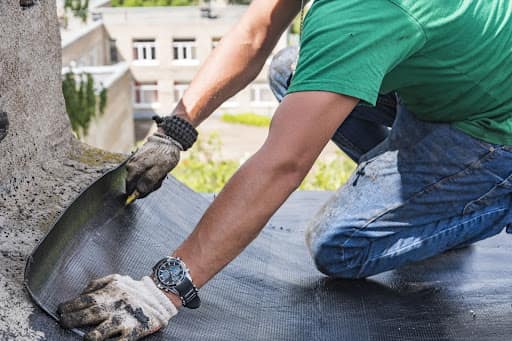
The best defense starts outside the house.
- Apply high-quality waterproofing coatings (acrylic, elastomeric, or cementitious) on exterior walls and terraces before the monsoon arrives. Products like Dr. Fixit, Pidilite, or Asian Paints Damp Proof are widely recommended.
- Seal all cracks, joints, and gaps around windows, doors, and pipes using silicone sealants or weatherproof caulking.
- Ensure proper slope on terraces and balconies (minimum 1:100) for quick water drainage.
- Clean and repair rain gutters and downpipes regularly to prevent water overflow.
Pro Tip: Schedule professional waterproofing treatment every 3–4 years for long-term protection.
2. Improve Drainage Around the House
Poor external drainage is a major contributor to damp walls.
- Keep the area around the foundation clear of soil buildup and vegetation.
- Create a slight slope away from the building foundation so water flows away naturally.
- Install French drains or soak pits in low-lying areas if needed.
- Ensure plumbing outlets and AC drain pipes discharge water far from the walls.
3. Enhance Interior Ventilation and Dehumidification
Good airflow reduces indoor humidity and condensation.
- Install exhaust fans in kitchens and bathrooms.
- Use ceiling fans and keep windows open during dry spells.
- Invest in a dehumidifier for severely affected rooms during peak monsoon.
- Place moisture absorbers (silica gel, camphor, or rock salt) in wardrobes and corners.
Avoid blocking ventilation paths with heavy furniture or curtains.
4. Choose Moisture-Resistant Paints and Coatings
Interior wall finishes play a big role in fighting dampness.
- Use anti-fungal, moisture-resistant paints (e.g., Asian Paints Damp Proof or Berger Anti-Damp) for interior walls.
- Apply waterproof putty or sealants on problem walls before painting.
- For severely affected areas, consider breathable waterproof membranes or special anti-damp coatings.
5. Regular Inspection and Early Repairs
Prevention is most effective with vigilance.
- Inspect exterior walls, roofs, and terraces before the monsoon starts.
- Fix any visible cracks or leaks immediately.
- Monitor indoor walls for early signs like discoloration, mold spots, or a musty smell.
- Check and clean overhead tanks regularly to prevent overflow.
Long-Term Strategies
- During construction or major renovation, incorporate cavity walls or proper damp-proof courses (DPC).
- Opt for moisture-resistant materials like BWP plywood for furniture and interiors.
- Plant water-absorbing plants strategically around the house to manage groundwater.
Benefits of Preventing Damp Walls
Effective damp-proofing reduces health risks (respiratory issues, allergies from mold), lowers electricity bills (less need for dehumidifiers), prevents structural damage, and maintains property value.
Conclusion
Preventing damp walls during the monsoon requires proactive planning, quality materials, and consistent maintenance. By strengthening exterior waterproofing, improving drainage and ventilation, using appropriate interior finishes, and conducting regular inspections, you can significantly reduce moisture-related problems in your home.
Start preparing your house well before the rains arrive. A little effort and investment now will save you from major repairs and create a healthier living environment for your family. With these strategies, you can enjoy the beauty of the monsoon without worrying about damp walls ruining your home.
FAQ
Q1: When should I start preparing my walls for monsoon?
Begin preparations in February–March, including waterproofing and crack repairs, to be fully ready before the rains start.
Q2: What is the best waterproofing method for exterior walls?
Elastomeric or acrylic-based waterproof coatings combined with proper crack filling and good drainage systems work best for Indian homes.
Q3: How do I remove existing mold from damp walls?
Clean with a fungicidal solution, allow the wall to dry completely, then apply anti-fungal paint or coating.
Q4: Are dehumidifiers effective against damp walls?
Yes, they significantly reduce indoor humidity and help prevent condensation on walls, especially in closed rooms.
Q5: Can poor quality paint cause damp walls?
Yes. Regular paints absorb moisture easily. Always use moisture-resistant or anti-damp paints in monsoon-prone areas.
Q6: How often should exterior waterproofing be done?
Every 3–4 years, or sooner if you notice recurring damp patches after heavy rains.
Q7: Is rising damp preventable in old houses?
Yes, through chemical damp-proof course injection or proper external grading and drainage improvements. Professional assessment is recommended.